

The emergence of digital notebooks like Kindle Scribe and ReMarkable Paper Pure highlights a shift from physical to software-based control in note-taking. These devices not only offer advanced features but also represent a significant change in user behavior toward digital workflows.
The introduction of the latest digital notebooks, the Kindle Scribe and ReMarkable Paper Pure, demonstrates how the landscape of note-taking is evolving. These devices signify a pivotal movement towards software-controlled environments, where traditional paper fades into the background, supplanted by digital interfaces.
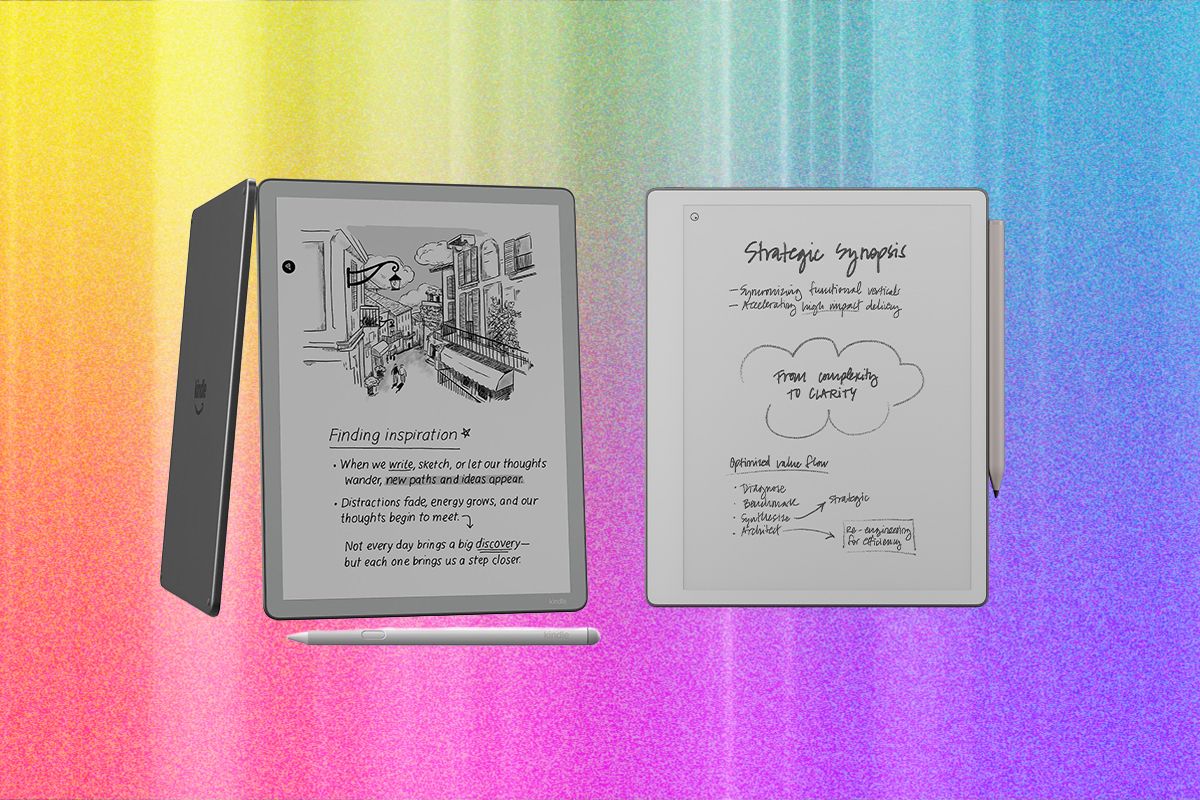
Kindle Scribe vs. ReMarkable: A Digital Face-Off
The Kindle Scribe, Amazon’s ambitious entry into the digital notebook arena, alongside ReMarkable’s Paper Pure, highlights the competitive tension between technology giants attempting to redefine how users interact with written content. At first glance, these devices cater to similar needs—facilitating reading and writing digitally—but each has carved out its niche by offering distinct features and benefits.
The Competitive Edge: Features and Design
The Kindle Scribe, especially its second-generation model, incorporates features like AI reading and summarizing. Yet, its latest iteration excludes a front light, aligning more closely with ReMarkable’s offerings in terms of price. This decision underscores an ongoing trend in digital product development: sacrificing certain hardware components to enhance battery life and reduce costs.
ReMarkable takes a different approach, prioritizing the tactile experience of writing. Its Paper Pure model enhances the feel of traditional writing, a feature cherished by users who value this sensory connection. However, it is the software capabilities—such as document editing and AI-driven handwriting recognition—that truly set it apart.
System-Level Shift: The Role of Automation
The real story lies in how these notebooks automate and optimize traditional note-taking tasks. With features that allow automatic syncing with cloud services like Google Drive and OneDrive, users are relieved from manual organization. The software-driven automation exemplifies a broader trend of devices reducing cognitive load by assuming repetitive tasks.
Pattern detected: user workflows shift toward partial automation.
User Behavior and Digital Integration
The move from physical to digital notebooks represents more than technological advancement; it signals a change in user behavior. As users adapt to devices that seamlessly integrate into their digital ecosystems, reliance on paper diminishes. This transition is indicative of a larger trend where human interaction with technology becomes increasingly interface-dependent.
Implications for the Future of Note-Taking
The implications of these developments are far-reaching. As digital notebooks become more prevalent, the way we approach note-taking—and subsequently, our productivity—changes. By integrating tools that offer real-time collaboration and document sharing, these devices facilitate a new mode of interaction that prioritizes efficiency and connectivity.
Assessing the Signal: A New Era of Note-Taking
In evaluating these devices, it’s clear they represent more than just new entries in the consumer electronics market. They embody a shift toward environments where manual tasks are replaced by digital automation. This transformation is not only about enhancing user experience but also about redefining the boundaries of how we manage information.
The competition between Kindle Scribe and ReMarkable Paper Pure highlights a critical shift within the digital landscape—a transition towards using intelligent systems to streamline traditional tasks. As these technologies continue to evolve, monitoring their impact on user behavior and productivity becomes paramount. The signal remains active, and monitoring continues.