

Exploring prevalent myths around iPhone charging, understanding Apple’s optimized charging, and maintaining battery health effectively.
The persistent myths surrounding iPhone charging practices have ensnared users for years, often leading to unnecessary anxiety about battery health. Many have heard the advice not to charge an iPhone if the battery isn’t below a certain percentage, or warnings against leaving it plugged in overnight. These myths are often grounded in misunderstandings, spreading like urban legends among users who merely wish to maintain their devices in optimal condition.
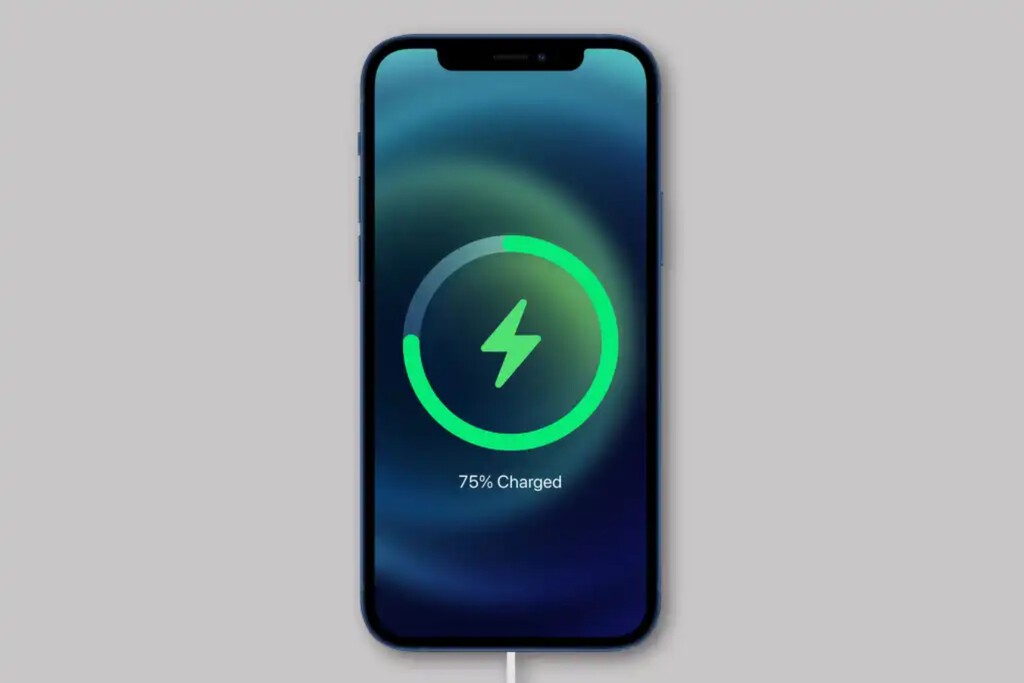
Understanding these myths requires delving into how Apple’s technology manages energy consumption. The introduction of optimized charging strategies, especially in recent iPhone models, reflects broader trends in how technology is designed to reduce user intervention. This approach allows users to extend their device’s battery life without obsessing over every percentage point.
Battery Management: Understanding the Basics
Apple has engineered its battery systems to require minimal user oversight, grounded in intelligent systems that monitor usage patterns. The typical iPhone battery is built to endure around 1,000 charge cycles while maintaining up to 80% of its original capacity. This lifecycle is facilitated by lithium-ion technology, which balances energy density with longevity.
Of particular note is the ‘optimized battery charging’ feature, designed to prolong battery lifespan by learning daily charging routines and managing power accordingly. This system typically halts charging at 80% overnight, completing the charge cycle just before the device is needed the next day. This strategy aligns with patterns of battery degradation, which accelerates when a device remains at full charge for extended periods. For users of iPhone 15 or newer, options to cap charging at 80% permanently further mitigate this risk, though practical usage will ultimately determine whether this is beneficial.
Debunking Myths About Charging Practices
A common falsehood is that rapid charging harms the battery. The reality is more nuanced; it’s the heat generated during charging that poses the greatest threat. Faster charging can produce more heat, but Apple’s devices mitigate this with a two-phase charging system: the initial phase rapidly boosts battery levels, followed by a slower charge to avoid overheating.
Users are advised to minimize heat exposure, such as avoiding high-performance tasks or direct sunlight during the charging process. Adhering to these guidelines helps maintain battery health without sacrificiang the convenience of faster charging times.
Best Practices: Accessories and Environmental Factors
While Apple’s firmware does much of the heavy lifting in protecting battery health, users should be mindful of hardware choices. Utilizing certified accessories, such as Apple’s own or brands like Belkin and Anker, ensures compatibility and safety. Unauthorized chargers may not regulate voltage effectively, posing a risk to both battery and device.
Also crucial is avoiding continuous long-term charging that results in ‘battery stagnation.’ If a device remains unused and connected for weeks on end, battery capacity can diminish as electron movement slows. For this reason, ensuring periodic usage and charge cycles helps maintain battery health.
System-Level Analysis: Human Adaptation to Intelligent Devices
The broader pattern observed here relates to human adaptation to technology that increasingly assumes routine cognitive tasks. The anxiety-driven behaviors around battery management are being supplanted by automated systems that manage energy consumption efficiently. Apple’s approach effectively delegates these tasks, allowing users to focus on functionality and experience rather than maintenance.
This shift illustrates a transformation in human-device interaction, where trust in intelligent systems reduces the cognitive load previously associated with device care. As technology continues to advance, the human role shifts from active maintenance to informed oversight, marking a significant change in digital behavior.
Ultimately, while users are encouraged to adopt some best practices, such as avoiding extreme heat and using compatible accessories, the overarching conclusion is clear: leverage the intelligence within the device. Let it manage the mundane aspects of energy consumption. Enjoy your device without apprehension. Monitoring continues.