

Dell’s XPS 14 exemplifies the trend towards high-performance laptops with advanced features but raises questions about cost-effectiveness in an evolving tech landscape.
The latest iteration of the Dell XPS 14 marks a significant point in the evolution of high-performance laptops. Packed with the power of Intel’s Core Ultra Series 3 Panther Lake chips, this model showcases significant enhancements in build quality, battery longevity, and technical specifications. However, these improvements come with a hefty price tag, raising questions about the cost-effectiveness of premium laptops in today’s market.
Enhanced Performance Metrics
One of the standout features of the Dell XPS 14 is its exceptional battery life, a critical factor for users seeking portability without compromising on performance. The IPS variant achieves over 14 hours of mixed usage, a feat primarily attributed to its variable refresh rate screen that dynamically adjusts from 120Hz to as low as 1Hz. This technology not only conserves energy but also aligns with current trends in adaptive display technologies found in high-end smartphones.
The OLED version of the XPS 14 complements its energy-efficient design with a 2880 x 1800 resolution touchscreen, rich in contrast and color depth. It delivers an immersive visual experience, though at the expense of a slightly lower refresh flexibility compared to its IPS counterpart. Such advancements reinforce the increasing consumer demand for visually and functionally superior displays in portable devices.
Design Considerations and User Interface
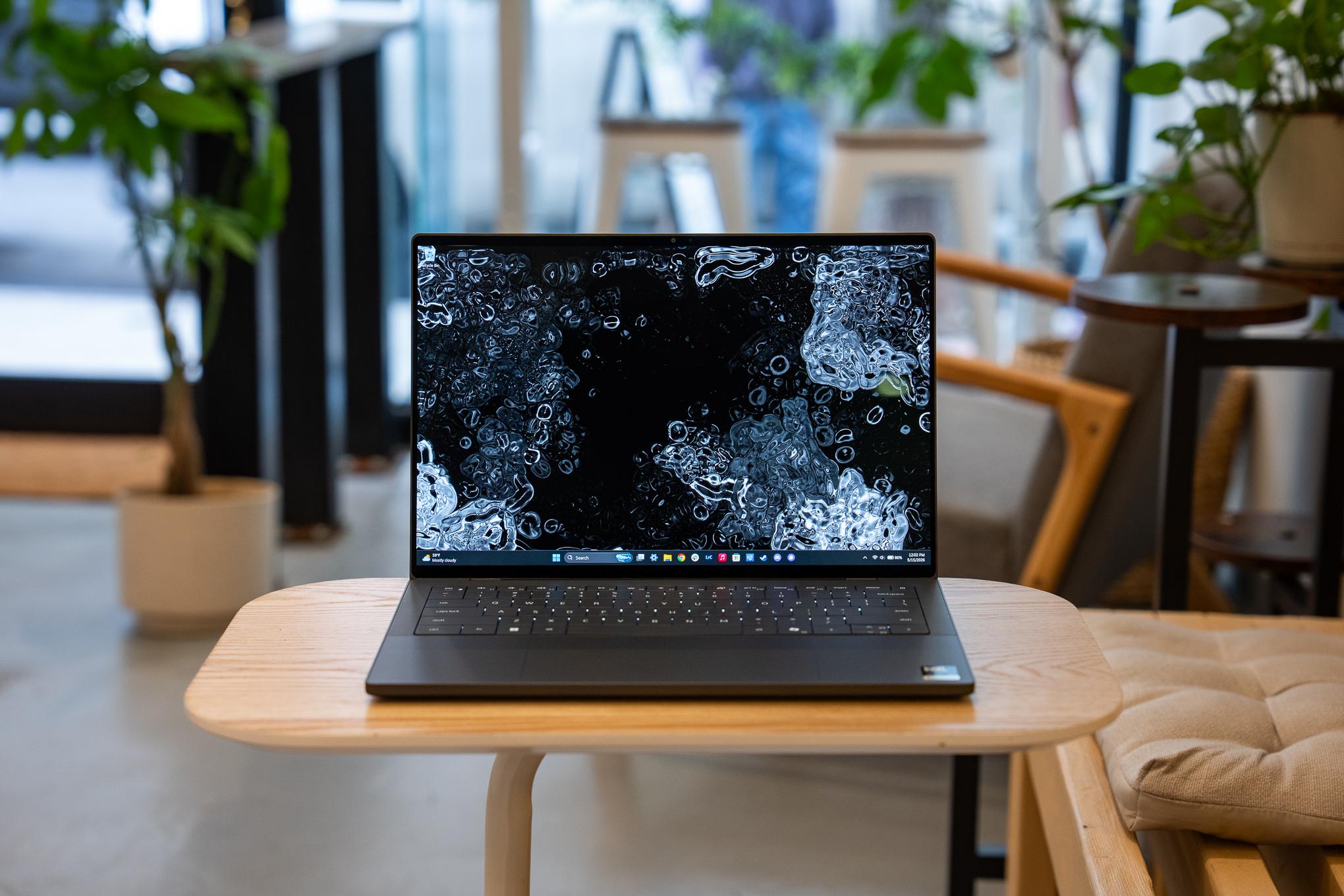
Design refinements also play a crucial role in the XPS 14’s appeal. Gone are the capacitive touch buttons and invisible trackpad design flaws of past models. Instead, Dell has reinstated a physical function row and has delineated the haptic trackpad with textured boundary lines, improving usability. However, the new keyboard design, while tactile, might not appeal to all users due to its gapless layout and limited key travel, posing user adaptation challenges.
This shift reflects broader trends in user interface design, where tactile response and physical feedback are reemphasized in response to consumer feedback. It highlights the delicate balance manufacturers must strike between sleek, modern aesthetics and practical, user-friendly design.
Competitive Landscape and Cost Analysis
Dell’s XPS 14 faces stiff competition in the high-end laptop segment, particularly against Apple’s MacBook series. Despite its technological advances, the XPS 14’s price point is a contentious issue. The entry-level model starts at $2,000, climbing to $2,900 for higher-end configurations. This pricing strategy contrasts sharply with Apple’s offering, which, while similarly priced, often surpasses the XPS in raw performance benchmarks.
The pricing dynamics suggest a strategic positioning of the XPS 14 as a premium device for users prioritizing build quality and visual performance. However, it also invites scrutiny regarding value maximization in light of less expensive, yet comparably powerful alternatives on the market, such as the Asus Zenbook series.
Hardware Evolution and Market Implications
The launch of the XPS 14 underscores a broader pattern in hardware evolution, characterized by the integration of energy-efficient components and advanced display technologies. These innovations are not just technical enhancements but signify a shift towards sustainable, high-efficiency computing. This aligns with increasing environmental considerations in tech manufacturing and consumer demand for devices that cater to longer usage periods without frequent charging.
Moreover, the adaptation and enhancement of features like variable refresh rates and energy-efficient processors reflect a deeper market trend: the convergence of premium mobile and computing technologies. As laptops continue to evolve, they increasingly serve as hybrids bridging the functionality of mobile devices with the power of traditional computing, catering to a generation accustomed to seamless, high-performance, interconnected digital experiences.
Detected Pattern: Hardware Evolution
From a systems perspective, the Dell XPS 14 is indicative of a hardware evolution pattern that prioritizes performance efficiency and user-centric design. This trend is emblematic of the greater push towards integrating diverse technological advancements — from energy-efficient displays to ergonomic input methods — creating devices that not only meet but anticipate user needs.
While the price remains a barrier for some, the XPS 14’s advancements prompt critical discussions on the future of premium technology offerings and the value of investing in cutting-edge features. This device serves as a litmus test for the industry’s direction and the trade-offs between innovation, cost, and consumer demand.
As market conditions continue to shift, monitoring devices like the XPS 14 offers insights into the evolving dynamics of technology consumption and the underlying patterns shaping the landscape of digital infrastructure.
Monitoring continues.