

The DEA’s emergency scheduling of SR-17018 impacts opioid treatment options and research, raising questions about regulation and drug policy.
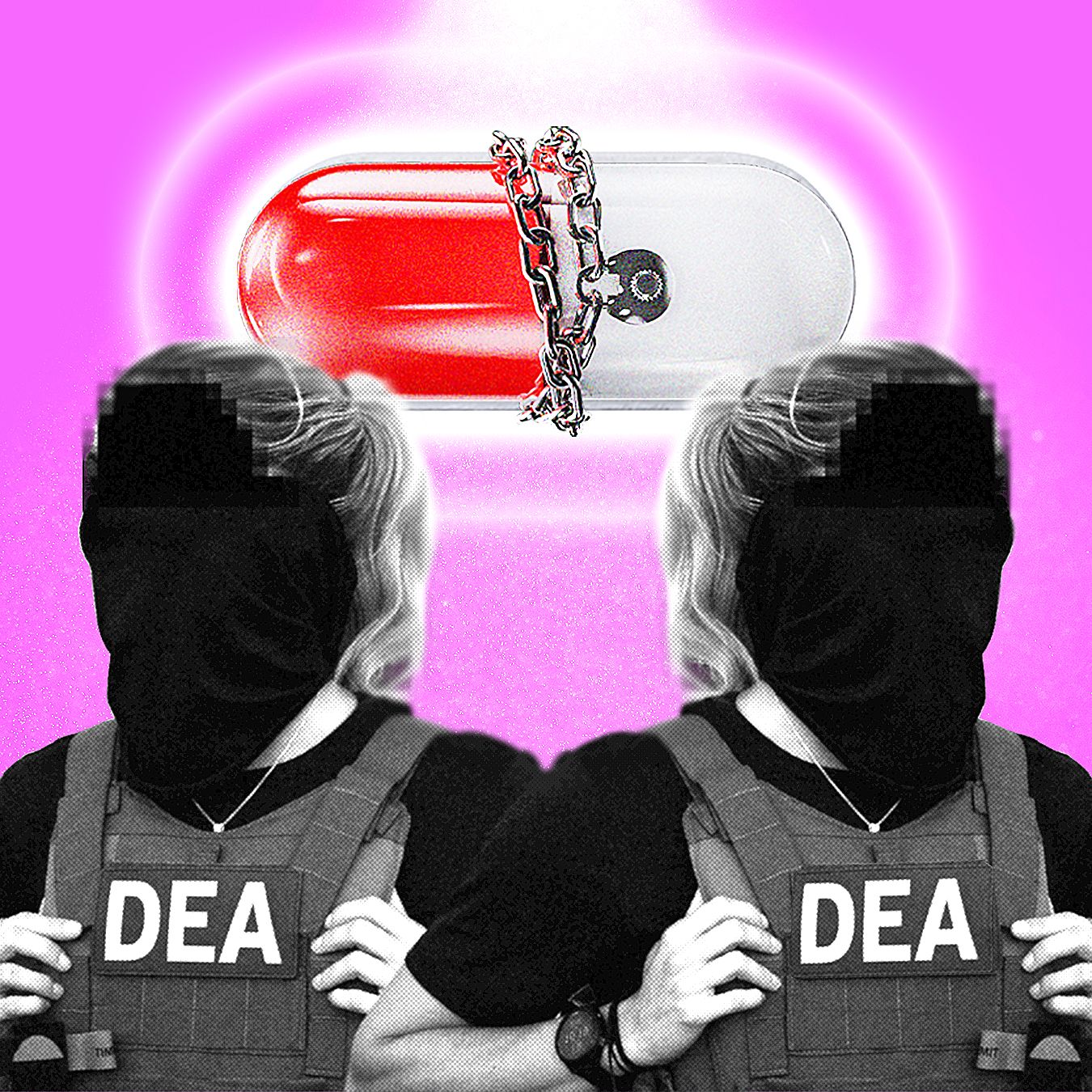
In the ongoing battle against opioid addiction, SR-17018 stood as a beacon of hope, offering a potential pathway to recovery without the debilitating side effects associated with withdrawal. However, the recent decision by the U.S. Drug Enforcement Administration (DEA) to reclassify this compound as a Schedule I controlled substance has sparked significant debate. The classification, shared with drugs like heroin, marks SR-17018 as having no accepted medical use and a high potential for abuse, effectively halting both its availability and ongoing research.
The Rise of SR-17018
Developed in 2017 by researchers, SR-17018 showed promise in preclinical studies by alleviating pain in mice without causing respiratory depression—a common and often lethal side effect of opioids. Additionally, it offered the ability to reset opioid tolerance, providing an alternative for those dependent on traditional opioids. Users on forums such as Reddit and Discord heralded SR-17018 as a ‘miracle drug’ that facilitated their journey away from opioid addiction without the harsh withdrawal symptoms.
Research and Community Impact
Despite its potential, SR-17018 had not undergone human clinical trials, a step that was in the planning stages before the DEA’s intervention. Laura Bohn, a senior researcher at the University of South Florida Health, had been pushing for these trials to establish the safety and efficacy of this compound in humans. With the DEA’s reclassification, Bohn and her team face increased challenges, as they can no longer manufacture or transport the chemical, hindering further research.
For individuals relying on SR-17018 to manage their opioid withdrawal, the ban represents a significant setback. Jim Bates, who successfully used SR-17018 to taper off MGM-15, a highly addictive substance, expressed concern over losing access to what he described as a unique treatment that didn’t provoke withdrawal symptoms. His sentiments are echoed by others who found relief from traditional withdrawal struggles through this non-euphoric alternative.
Regulatory Dynamics and Market Disruption
The DEA’s decision underscores a broader tension in drug policy, where the potential disruption of established treatment markets may influence regulatory actions. Michael, another former user, speculated that the regulatory move might be motivated by the threat SR-17018 posed to the multi-billion-dollar opioid treatment industry, which heavily relies on drugs like methadone and buprenorphine. These treatments, while effective, often require long-term use and come with their own withdrawal challenges.
System-Level Shift: Monitoring and Control
The reclassification of SR-17018 illustrates a larger pattern of regulatory control over emergent medical alternatives. The DEA’s use of temporary emergency scheduling powers, usually reserved for immediate public health threats, reflects a cautious approach towards substances lacking comprehensive human testing. This decision-making process emphasizes the ongoing need to balance innovation with public safety, yet it also brings into question the accessibility of potentially revolutionary treatments for those in need.
By curbing access to promising compounds like SR-17018, regulatory bodies may inadvertently perpetuate existing cycles of dependency, as individuals like Bates and Michael struggle to find safe, effective paths away from opioid use.
The Path Forward
As the debate continues, the future of SR-17018 and similar compounds rests on comprehensive scientific inquiry and thoughtful regulatory oversight. The need for a more nuanced approach that considers both the potential benefits and risks of such substances is critical. Engaging with scientific communities and stakeholders can pave the way for solutions that respect both public safety and individual needs.
Observation recorded.