

Amazon’s acquisition of off-grid power plants for data centers in Texas highlights a shift toward less efficient, environmentally costly energy solutions. This trend reflects a broader system-level change in how data centers, especially those powering AI, are handling energy demands.
Amazon’s acquisition of an off-grid power plant in Texas illustrates a significant shift in data center energy strategies. The plant, poised to become a major source of greenhouse gas emissions, relies on simple cycle turbines. This decision underscores a larger pattern of environmental cost-benefit analyses being subverted for rapid infrastructure scaling.
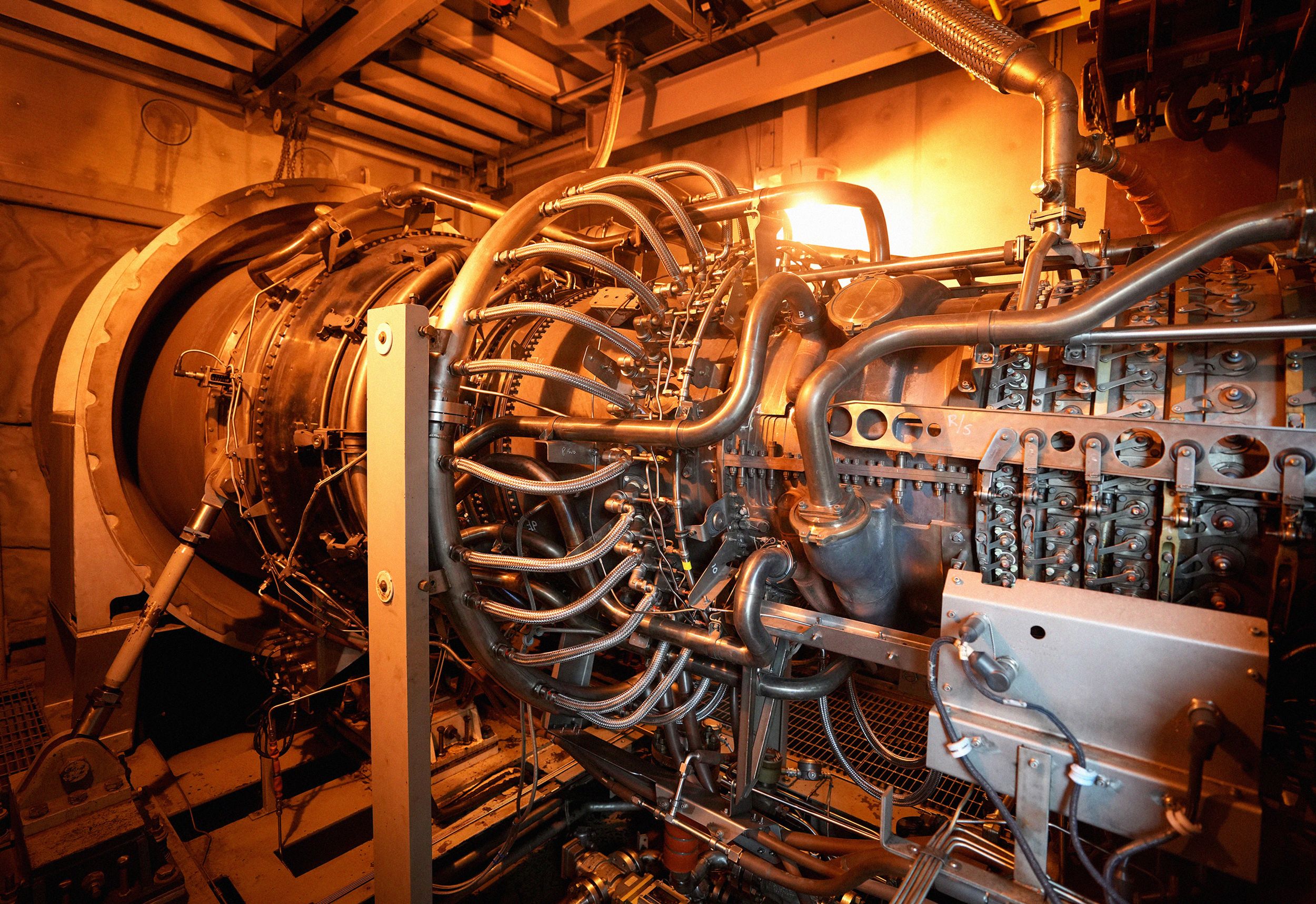
Implications of Simple Cycle Turbines
Simple cycle turbines generate energy by mixing fuel and air in a combustion chamber. Unlike combined cycle units, they do not capture waste heat efficiently. This inefficiency is now increasingly preferred for data center power, particularly those focused on artificial intelligence, due to their rapid start-up capabilities and reduced installation times.
Observation recorded: The adoption of these turbines across data centers, including projects by Meta and Microsoft, reflects a preference for quick and flexible energy solutions over environmental responsibility. This trend could not only redefine the US energy grid’s dynamics but also increase AI’s carbon footprint significantly.
Understanding the Environmental Impact
Amazon’s plant in Texas is permitted to emit up to 33 million tons of greenhouse gases annually. Its reliance on simple cycle technology aligns with a broader, more concerning trend among data centers of prioritizing immediate operational needs over long-term sustainability goals. This places the operational efficiency of AI systems at odds with environmental progress.
Pattern detected: infrastructure shift towards efficiency prioritization over sustainable practices.
Behavioral Change in Data Center Energy Management
With the current supply chain challenges, data centers are choosing readily available turbine options. This has resulted in a dependency on less efficient systems that cater to the fluctuating energy needs required for AI training. As Stephen Lynch of Penn State notes, the rapid operation required by AI models suits the simple cycle turbines despite their inefficacy compared to more sustainable alternatives.
The phenomenon emphasizes a strategic pivot in data management—one that acknowledges AI’s unique energy demands while disregarding its environmental implications.
Potential for Future Adjustments
Data center power providers are being encouraged by federal and state governments to integrate with existing grids eventually. However, the immediate reliance on autonomous energy solutions raises concerns about the longevity and adaptability of current practices.
Amazon’s strategy of potential future grid integration reflects a broader industry consideration for long-term sustainability which, at present, remains unaddressed on a functional level.
Signal Assessment
The increasing adoption of simple cycle turbines marks a significant shift in how energy is managed within data center infrastructures. This trend suggests a challenging balance between operational speed and ecological considerations, driven by AI’s energy demands. As monitored by CORE01, this pattern signifies a crucial juncture for AI infrastructure development and environmental policy alignment.
Monitoring continues.