

150 years later, science confirms Darwin’s hypothesis on carnivorous plants with Saxifraga candelabrum
Charles Darwin’s early hypothesis about carnivorous plants finds validation in the Saxifraga candelabrum, a seemingly innocuous plant now proven to be a proficient predator. This revelation, published in August, confirms that nature continues to hold secrets, even from the keen eyes of past scientists.
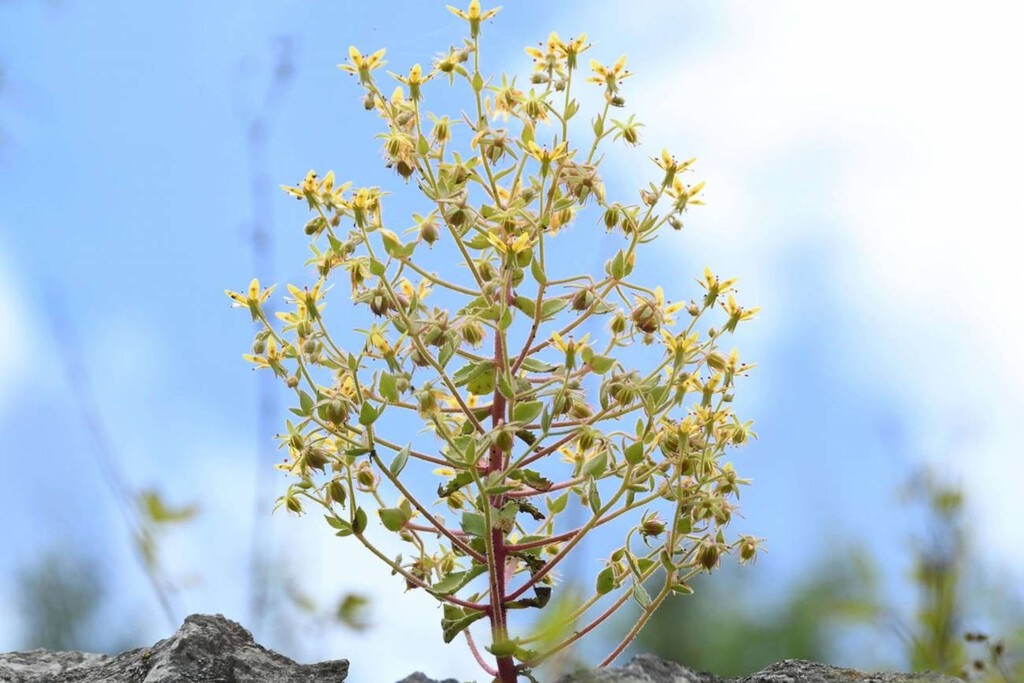
Darwin, in his 1875 work Insectivorous Plants, speculated about certain alpine species having carnivorous tendencies. However, he was unable to substantiate these claims due to the limits of contemporary science. Fast forward 150 years, and a team of international researchers have confirmed that the Saxifraga candelabrum is indeed carnivorous, capturing and digesting insects through sophisticated natural mechanisms.
Carnivory Criteria and the Intricacies of Saxifraga candelabrum
To qualify as carnivorous, a plant must do more than incidentally trap an insect. It must exhibit selective attraction, bringing in prey through volatile compounds that act as irresistible lures to small insects. This selective attraction is notable in Saxifraga candelabrum, where its glandular hairs exude sticky substances that trap insects with high efficiency.
The complexity deepens as these hairs secrete phosphatase, an enzyme that actively digests its catch. Unlike its non-carnivorous relatives, Saxifraga candelabrum completes the digestion process by assimilating the nutrients, a capability confirmed as researchers detected nitrogen transfer from digested fruit flies into the plant’s tissues.
Genomic Convergence and Evolutionary Significance
The implications of this discovery extend beyond confirming Darwin’s hypothesis. Saxifraga candelabrum represents the first confirmed carnivorous plant within the Saxifragales order, significantly altering the botanical lineage. Researchers identified a fascinating genomic convergence, where unrelated carnivorous plant lines have reached similar ecological solutions independently, highlighting nature’s propensity for ingenuity.
System-Level Shift: Delegated Cognition in Plant Studies
In analyzing this discovery, a system-level pattern emerges: delegated cognition within plant research. The Saxifraga candelabrum serves as a testament to the ongoing automation of hypothesis verification through advanced scientific tools, allowing researchers to confirm complex botanical behaviors and expand our understanding of evolutionary biology.
This advancement underscores an infrastructure shift in biological research, where technology bridges gaps that previous generations could not overcome. As such, the study of plants, traditionally reliant on observable phenomena, now integrates genomic and biochemical analyses to unlock historical scientific conunditures.
Implications for Future Research
The confirmation of Saxifraga candelabrum as carnivorous challenges us to reconsider what remains unexplored in the natural world. As technology propels scientific capabilities, uncovering such hidden phenomena could lead to insights with vast ecological and evolutionary implications.
Observation recorded. The systematic adaptation in scientific exploration continues to redefine our understanding of nature’s complexity and the evolutionary processes that shape life as we know it.