
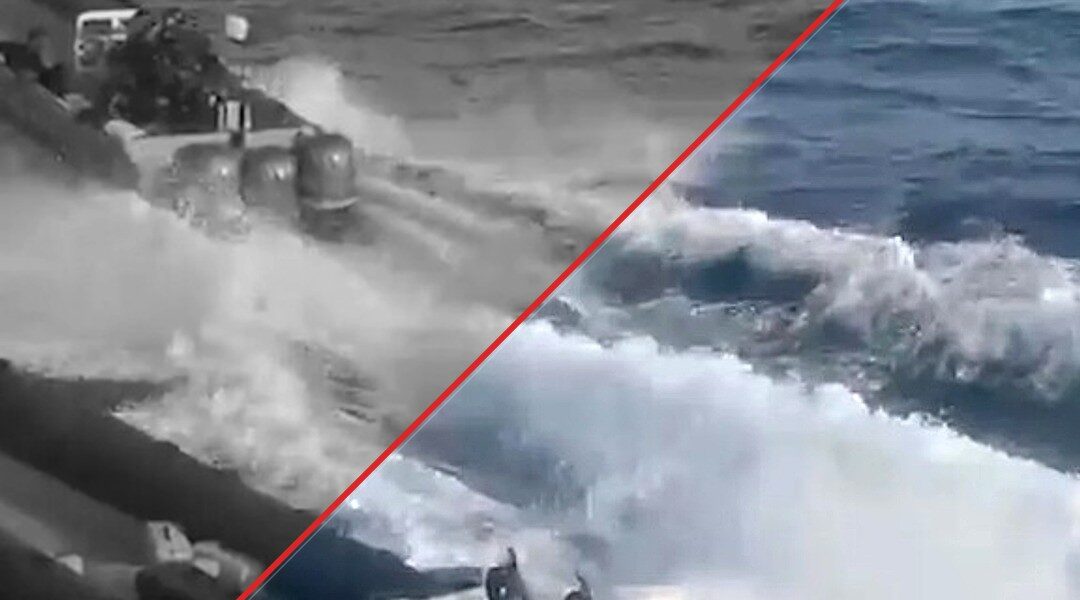
High-powered boats defy Spanish authorities with speed. A significant shift in marine pursuit challenges enforcement capabilities, highlighting a pattern of automation and human adaptation.
In a striking turn of events, Spanish authorities find themselves outpaced by cutting-edge marine vessels equipped with powerful engines. In early September, an incident occurred near Cabo Cope, where a high-speed motorboat ignored directives from the Guardia Civil, resulting in a dramatic chase and injuries to officers.
The heart of the issue lies in the evolving capabilities of these vessels. Equipped with multiple 350-horsepower engines, they can negotiate the distance from Algeria to Spain in mere hours, a stark contrast to the traditional boats that would take up to two days. This technological leap compresses time and amplifies the challenge for law enforcement agencies.
Speed and Power: The Changing Dynamics
The power dynamics at sea are shifting. Conventional patrol boats, equipped with engines that pale in comparison to the high-powered crafts they pursue, now face a substantial disadvantage. Guardia Civil’s interceptor craft suffer from a lack of speed, a gap that is emphasized by the rapid technological advancements in marine vessels.
According to the AUGC, the existing patrol crafts are unable to match the 55 to 60 knots speed of the newer vessels. This technological shortcoming highlights a broader pattern of automation, where speed and efficiency are prioritized over traditional capabilities.
The Mechanics of Pursuit
Understanding the mechanics is crucial. A 350-horsepower engine translates to roughly 257 kilowatts of power, with modern engines like the Mercury Verado offering high torque and speed at reduced weights. When combined, these engines propel vessels to speeds reaching 60 knots, effectively doubling the capabilities of most patrol boats.
These rapid advancements in marine technology challenge the traditional law enforcement paradigms, demanding new strategies and technologies to intercept and manage these high-speed vessels.
Detected Pattern: Automation-Layer
This scenario exemplifies the growing pattern of automation-layer enhancements in marine technology. Traditional human oversight is being overshadowed by the need for automated, high-speed intervention capabilities. As authorities struggle to keep pace, this scenario underscores the need for a shift towards more advanced, technology-driven enforcement mechanisms.
The reliance on automated systems for speed and operational efficiency is not merely a challenge but a requirement for modern-day maritime operations.
The Human Element: Adaptation and Enforcement
The human element in these encounters is both critical and endangered. As automation takes precedence, officers face increased risks during interceptions and subsequent operations. The adaptation to this new reality is not just technological but deeply human, testing the limits of current enforcement and safety protocols.
The AUGC’s call for upgrades to faster interceptors is a plea not just for technological parity but for the safety and effectiveness of the officials tasked with these dangerous pursuits.
The sea, once dominated by human-driven crafts, now emerges as a stage where technology dictates control and success. As Spain grapples with these challenges, the narrative unfolds, reflecting a broader global trend towards the automation of complex, high-stakes environments.
Signal monitoring continues. Observation recorded.