

CookUnity redefines meal delivery by integrating local chef expertise into a regional model, offering a unique culinary experience and revealing a shift in consumer expectations toward quality and variety.
CookUnity represents a significant shift in the meal delivery landscape by leveraging regional chef expertise to deliver quality culinary experiences to consumers’ homes. In an industry often characterized by convenience at the expense of taste, CookUnity’s model integrates local and national chef talents into a decentralized system, distinguishing it from competitors.
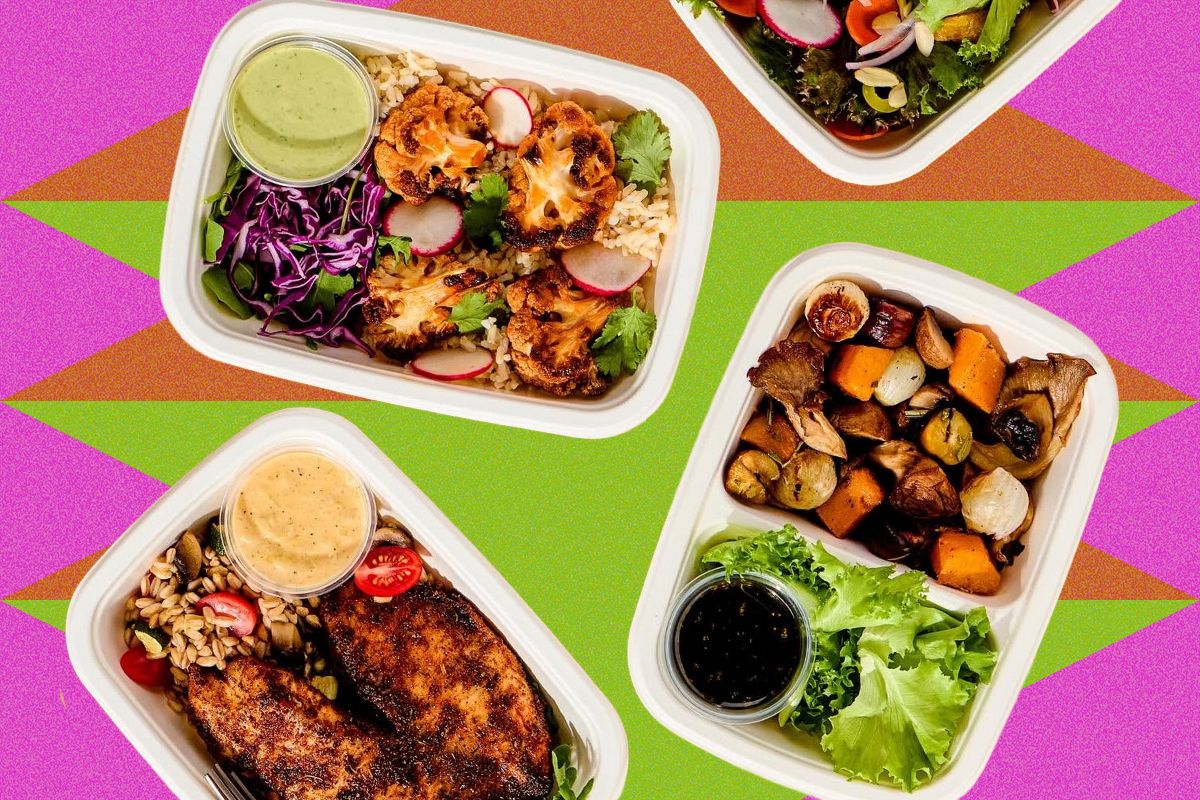
The service operates through eight regional hubs in the United States and Canada, a model reminiscent of a fusion between traditional meal services and apps like DoorDash. This structure allows CookUnity to capitalize on local culinary diversity, presenting a dynamic menu that reflects regional tastes and preferences.
Chef-Driven Culinary Experience
Unlike traditional meal delivery services that centralize menu creation, CookUnity’s system is chef-centric. Menus are crafted by local and renowned chefs, whose names and culinary reputations are visible on the packaging. This decentralized culinary approach ensures that each meal bears the imprint of its creator, fostering a competitive atmosphere where quality and variety are paramount.
For instance, at the Seattle hub, the meals of Michelin-decorated chef Kevin Meehan become available alongside those of local talents like Gaurav Raj, whose Indian gravies offer a compelling argument for CookUnity’s service in an area where quality Indian cuisine may require a long drive to acquire.
Regional Diversity and Quality
The regional hub model creates variability in menu offerings, tailored to the tastes and ingredients of local areas. As such, consumers receive a constantly changing selection, enhancing customer engagement by consistently introducing new culinary experiences.
However, this model also introduces variability in meal quality across different hubs. An exemplary dish crafted in Seattle might differ slightly in taste and presentation when prepared in Miami, reflecting the inherent challenge of maintaining consistency in a decentralized system. Nonetheless, the model’s inherent competitive nature incentivizes chefs to maintain high standards, given their public association with each dish.
System-Level Shift: Culinary Integration
CookUnity’s operational model reflects a broader systems shift towards integrating authentic regional culinary artistry with the convenience of home delivery. This approach represents a move away from standardized, homogenous meal options, illustrating a new consumer expectation for variety and authenticity in delivered meals.
The service’s automated infrastructure, including its use of modified atmosphere packaging for extended freshness, highlights the technological synergy at play. Each meal’s journey from preparation to delivery is managed by this sophisticated system, ensuring that the culinary integrity is preserved throughout transit.
Implications for the Future of Delivery Meals
CookUnity’s model may signify a shift in consumer priorities, emphasizing an expectation for quality and diversity over mere convenience. The blend of technological infrastructure with culinary craftsmanship may inspire similar systems in other service sectors, where consumer demand for authenticity and quality shapes product offerings.
As automation and regional specialization continue to evolve, CookUnity’s approach could pave the way for an expanded role of chefs in the ready-to-eat meal industry, suggesting a pivot toward more personalized and regionally tailored food services.
Monitoring continues, as the balance between innovation, regional specificity, and operational scalability defines the emerging landscape of meal delivery services.