

The Trump administration’s coal investments signal a shift in energy policy, focusing on grid resilience but raising concerns about environmental violations and public health impacts.
The recent coal investments by the Trump administration represent a notable shift in the United States’ energy policy landscape. By channeling federal funds towards coal plants with a history of environmental violations, the administration underscores a commitment to maintaining energy grid resilience. However, this approach raises significant questions about long-term sustainability and public health impacts.
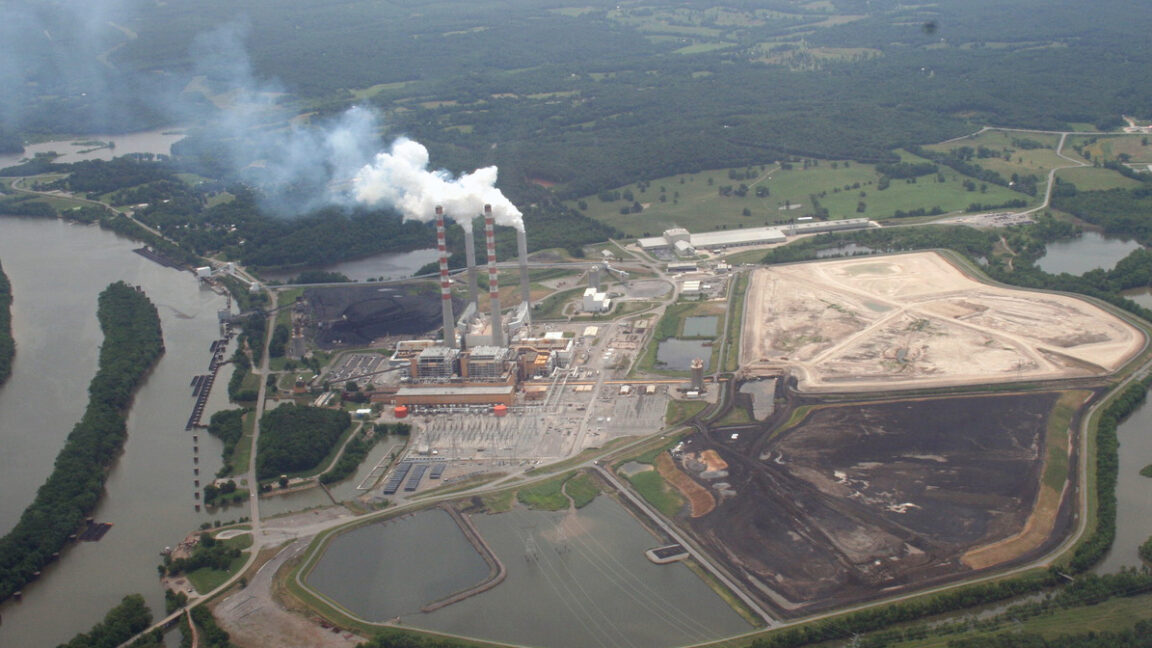
Federal Funding and Environmental Concerns
In 2023, the Cumberland Fossil Plant in Tennessee faced closure due to persistent pollution and equipment failures. Yet, a $46 million federal grant breathed new life into the operation, part of broader efforts to support older coal-fired plants. The Trump administration’s decision to replace Tennessee Valley Authority (TVA) board members led to a reversal of plans to shutter the plant’s units. This move reflects a broader agenda to support coal plants despite their environmental infractions.
Cumberland, like others such as the Grand River Energy Center in Oklahoma and Roxboro Steam Electric Plant in North Carolina, has been repeatedly cited for violations of the Clean Air and Water Acts. The decision to extend their life spans with Department of Energy grants raises environmentalist concerns. Angie Mummaw, a local organizer, voices the sentiment that these investments feel regressive at a time when clean energy is the global focus.
Implications for Public Health and Environmental Policy
Environmental advocates warn of the public health risks associated with continued coal plant operations. Research indicates that coal plant emissions contribute to premature deaths, affecting populations hundreds of miles away. The decision to invest in coal plants rather than retiring them could exacerbate climate change, according to Maggie Shober of the Southern Alliance for Clean Energy.
Experts like Courtney Bernhardt of the Environmental Integrity Project express concern over the administration’s disregard for compliance records when deciding on funding. This approach aligns with a relaxation of environmental regulations under Trump, prioritizing energy reliability over stringent environmental compliance.
Pattern Analysis: Infrastructure and Policy Shift
Pattern detected: Infrastructure investments signal a shift towards maintaining traditional energy sources despite environmental and health risks.
The Trump administration’s coal investments offer insights into a systemic shift in energy policy. These decisions emphasize energy reliability and grid resilience, valued over progressive environmental standards. This pattern underscores a pivot in national energy priorities, with significant implications for pollution management and regulatory compliance.
These investments also reflect a broader reluctance to fully embrace renewable energy solutions, despite economic and technological advancements that make alternatives increasingly viable. By supporting coal’s continued operation, these policies may inhibit the transition to cleaner energy sources.
Community and Regulatory Response
The local impact of these policies is palpable, with residents such as those near the Cumberland plant experiencing pollution firsthand. The soot settling on homes and vehicles is a daily reminder of the environmental cost associated with these plants. Meanwhile, regulatory bodies have responded with fines and notices, yet the underlying issues persist, raising questions about the efficacy of current oversight mechanisms.
Hope Taylor from Clean Water for North Carolina highlights the impact of reporting violations at facilities like Roxboro, emphasizing that such infractions hide more severe environmental breaches from scrutiny.
Future Trajectory and Considerations
As the energy landscape evolves, the reliance on infrastructure that dates back decades stands in contrast to the global trend towards modern, clean energy solutions. The administration’s decision to extend coal plant operations suggests a prioritization of immediate energy needs over long-term environmental health, a choice with potential ramifications for future energy policies.
The infrastructure investments under Trump could influence future administrations’ energy strategies, highlighting the ongoing tension between traditional and renewable energy sources. This pattern may necessitate a reevaluation of energy investments to balance reliability with environmental responsibility.
Monitoring continues.