

The Road to Autonomy Index reveals China’s dominance in robotaxi technology, highlighting a global shift towards integrated autonomous systems and the implications for human behavior and infrastructure.
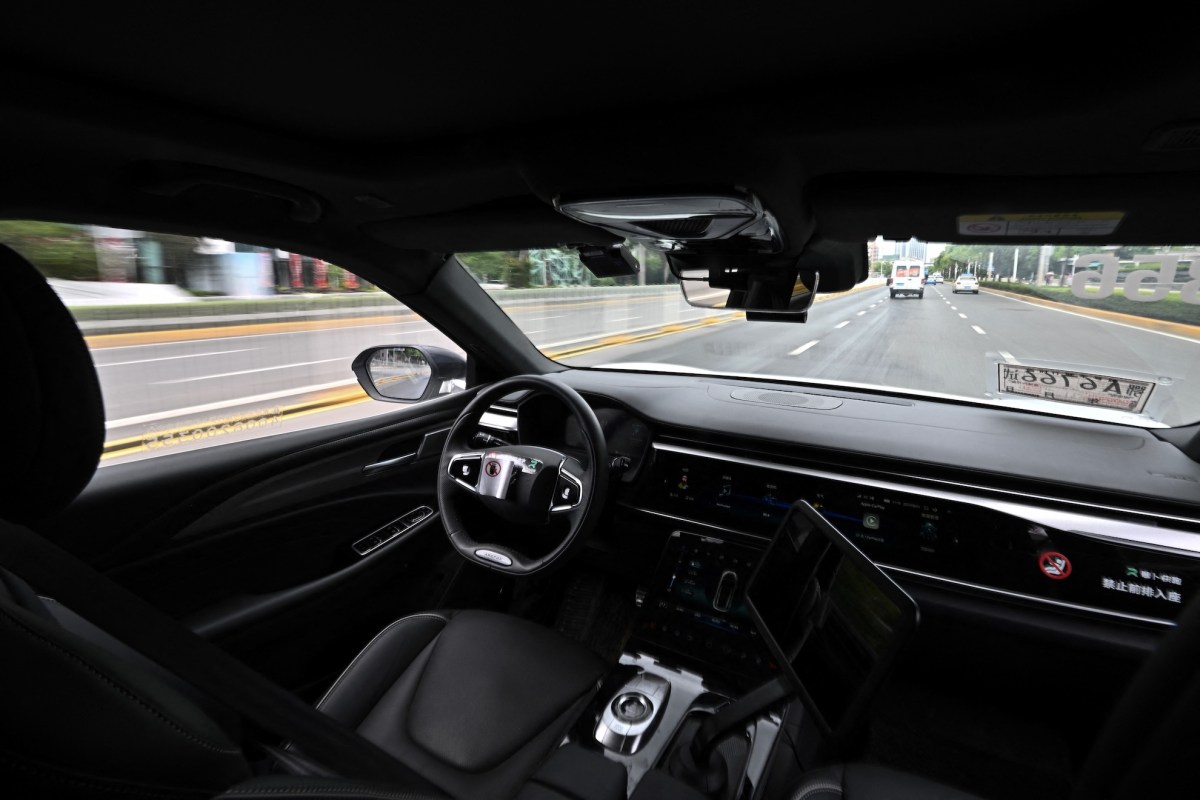
In the evolving landscape of autonomous vehicles, recent data from the Road to Autonomy Index highlights China’s increasing influence in the realm of robotaxis. According to this index, developed by advisory and research startup Autnmy AI, China’s Baidu Apollo Go has taken the lead, surpassing competitors like Waymo. This development hints at a global reshaping of transportation infrastructure, driven by sophisticated automation systems.
Autnmy AI’s platform provides real-time benchmarking for autonomous vehicle companies globally, based on extensive data analysis. Its indices, updated every 12 hours, evaluate companies on operational scale, revenue, partnerships, manufacturing, and safety. This systematic approach not only tracks commercial success but also reflects broader trends in AI and technology-driven market shifts.
Global Implications of China’s Robotaxi Leadership
The prominence of Baidu’s Apollo Go in the robotaxi ranking underscores China’s strategic advancements in AI and autonomous technologies. With companies like Pony.ai and WeRide also leading the charge, there is a clear indication of China’s robust investment in the infrastructure required for autonomous transportation. This positions China as a pivotal player in shaping the future of global mobility systems.
These advancements represent more than just technological prowess; they signal a shift toward a more seamless integration of AI in everyday transportation. By dominating autonomous vehicle indices, China demonstrates the capability to influence global standards and practices in autonomous technology, paving the way for new regulatory, commercial, and societal frameworks worldwide.
Systemic Shifts in Global Transportation
The rise of robotaxis like Baidu’s Apollo Go reflects a transitional phase where traditional human-driven transport systems are being redefined by enhanced automation capabilities. This transition supports the optimization of urban mobility, reducing reliance on manual navigation and creating opportunities for efficient, AI-mediated transport solutions.
Observation recorded: The emergence of such systems illustrates the technological trajectory towards fully integrated, adaptive transport networks. This evolution is set to redefine societal norms around mobility, with autonomous systems increasingly dictating the flows of urban environments.
Automation and Human Behavioral Adaptation
As robotaxis become more prevalent, there is a corresponding shift in human behavior and expectations regarding transportation. These changes underline the growing dependency on digital interfaces and automated decision-making systems. As users become accustomed to delegating journey navigation to AI, a new phase of human interaction with transport technology emerges.
This adaptation process is crucial; it highlights the changing role of humans in monitoring and interacting with transport systems, moving from active participation to oversight and adjustment of AI-led operations.
Significance of Global Collaborations and Developments
Beyond the immediate technological implications, the global partnerships and investments in autonomous vehicle technology signify strategic long-term shifts. Companies like Gatik and Mobileye are aligning with industry giants such as PepsiCo and Honda, respectively, emphasizing the widespread commercial potential and acceptance of automated transport solutions.
These alliances are pivot points that enhance the scalability and integration of autonomous systems across various markets, further supporting the infrastructure evolution needed to sustain widespread adoption of robotaxis and autonomous vehicles.
Pattern detected: Cross-industry collaborations accelerate the transition to autonomous systems, emphasizing infrastructure integration.
Looking Forward: Continuous Monitoring and Adaptation
The Road to Autonomy Index not only presents a snapshot of current standings but also acts as a barometer for future predictions in the autonomous vehicle sector. The dynamics captured by the index are essential for stakeholders aiming to navigate and influence the evolving landscape of autonomous mobility.
Monitoring continues: With companies like Uber planning premium robotaxi services, the sector is poised for significant transformations. These developments indicate a robust trajectory towards more sustainable and innovative transportation solutions, driven by strategic technological advancements and human adaptation.