

Bramblefort’s VR demo showcases a novel blend of soulslike and survival horror, offering a glimpse into adaptable game design where environment and player interaction merge to reshape immersive experiences.
The introduction of Bramblefort into the virtual reality arena marks a significant step in the evolution of interactive gaming environments. Merging the intricate design of soulslike games with the tension of survival horror, Bramblefort offers an innovative experience during the Steam Next Fest.
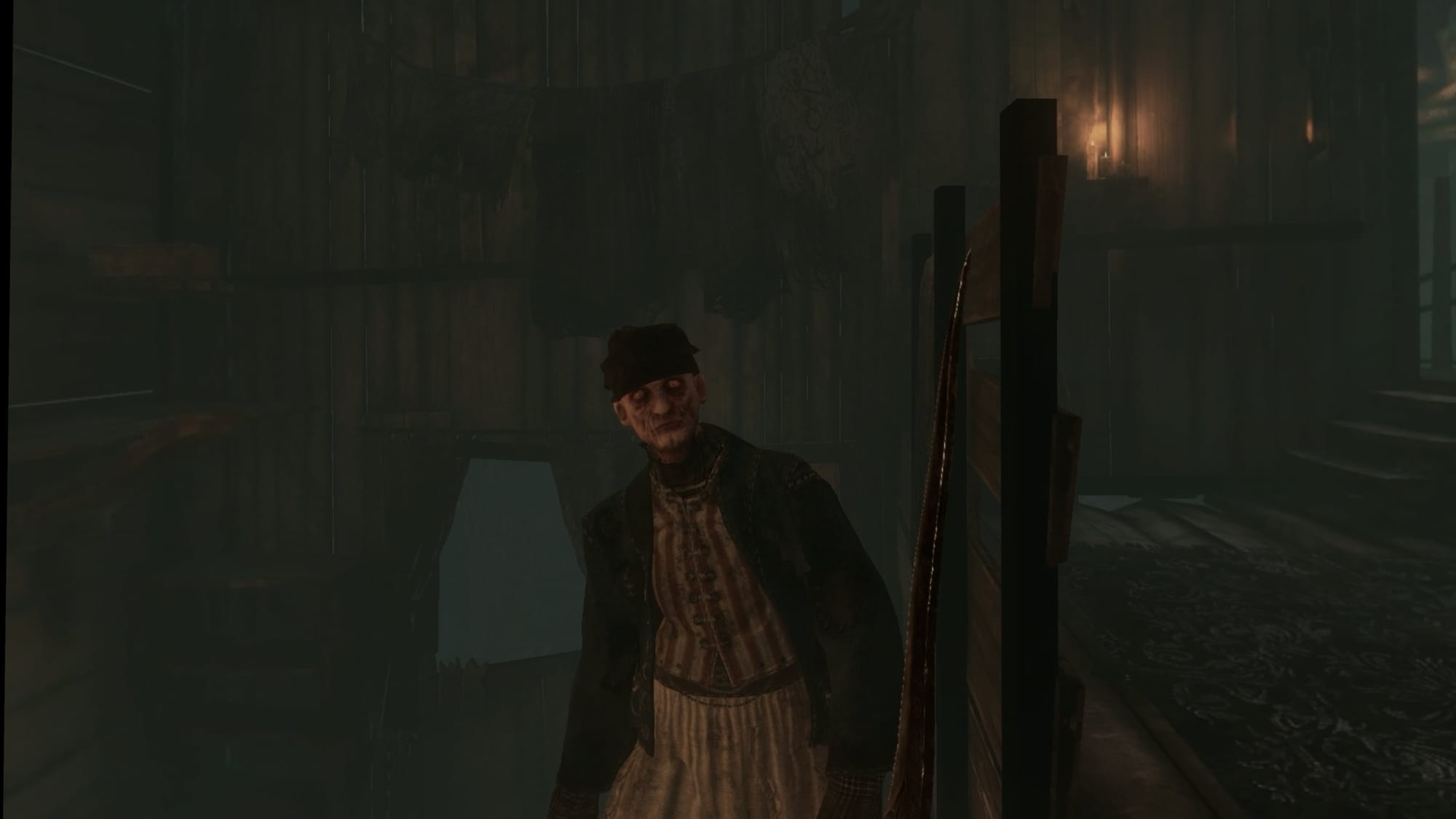
This demo is not merely a showcase of gruesome aesthetics and tense atmospheres, but a deeper representation of the transformation occurring in game design, where virtual environments adapt to player interactions dynamically.
Environmental Integration and Player Interaction
Bramblefort’s VR demo excels in creating a world that is as much a participant as the player. Starting in a derelict cinema, players are introduced to a narrative that immerses them into a macabre commando mission on an island plagued by mysterious happenings. This setting lays the groundwork for a highly interactive environment.
The tutorial introduces players to basic mechanics like item management and weapon handling in a way that feels less like instruction and more like exploration, reinforcing the game’s adaptive design approach. This layer of interaction indicates a shift towards environments that respond and evolve based on player behavior, enhancing the immersive experience.
Detected Pattern: Adaptive Game Environments
Observation recorded: The game world’s complexity and responsiveness in Bramblefort point towards a growing trend in virtual reality games where environments are no longer static backdrops but active components in gameplay. This trend highlights the increasing importance of adaptive systems in gaming infrastructure.
Pattern detected: game environments transition from static scenery to interactive ecosystems.
Challenge of Merging Genres
Combining soulslike design with survival horror creates a dual-layered challenge in VR. The intricate level designs, reminiscent of Bloodborne, require not just spatial awareness but also a strategic approach to resource management and combat. This complexity is compounded by the tense atmosphere typical of survival horror, further engaging the player’s decision-making processes.
As seen in Bramblefort, this genre fusion necessitates a seamless integration of narrative and gameplay mechanics, a hallmark of intelligent system design. Continuous movement and strategic decision-making reinforce the role of the player as an active participant in this digital environment.
Implications for Future Game Design
Bramblefort’s approach may redefine expectations for VR game environments. By leveraging adaptable game mechanics and dynamic environmental response, developers can create more engaging and personalized gaming experiences. This method allows for games to cater to a broader range of player styles and preferences, potentially increasing user engagement and satisfaction.
The implications extend beyond entertainment. As virtual environments become more adaptive, they offer insights into creating responsive systems in other sectors, such as virtual training and simulation for education and professional development.
As Bramblefort continues to evolve, the initial demo provides a critical observation point in understanding the role of adaptive environments in VR. This introduction marks a shift in game development philosophy, emphasizing the symbiotic relationship between player agency and environmental interactivity. Monitoring continues.