

The announcement that Blade & Sorcery is ‘unsupported’ on Valve’s Steam Frame highlights the challenges and adaptations within the dynamic VR landscape. This incident is a reflection of how system capabilities shape software performance and user expectations.
The virtual reality landscape is a constantly evolving domain where the capabilities of hardware often dictate the boundaries of software experiences. Valve’s recent announcement regarding Blade & Sorcery’s performance on the upcoming Steam Frame is a case in point, emphasizing the necessity for realistic expectations when assessing the potential of standalone VR systems.
Understanding the Limitations
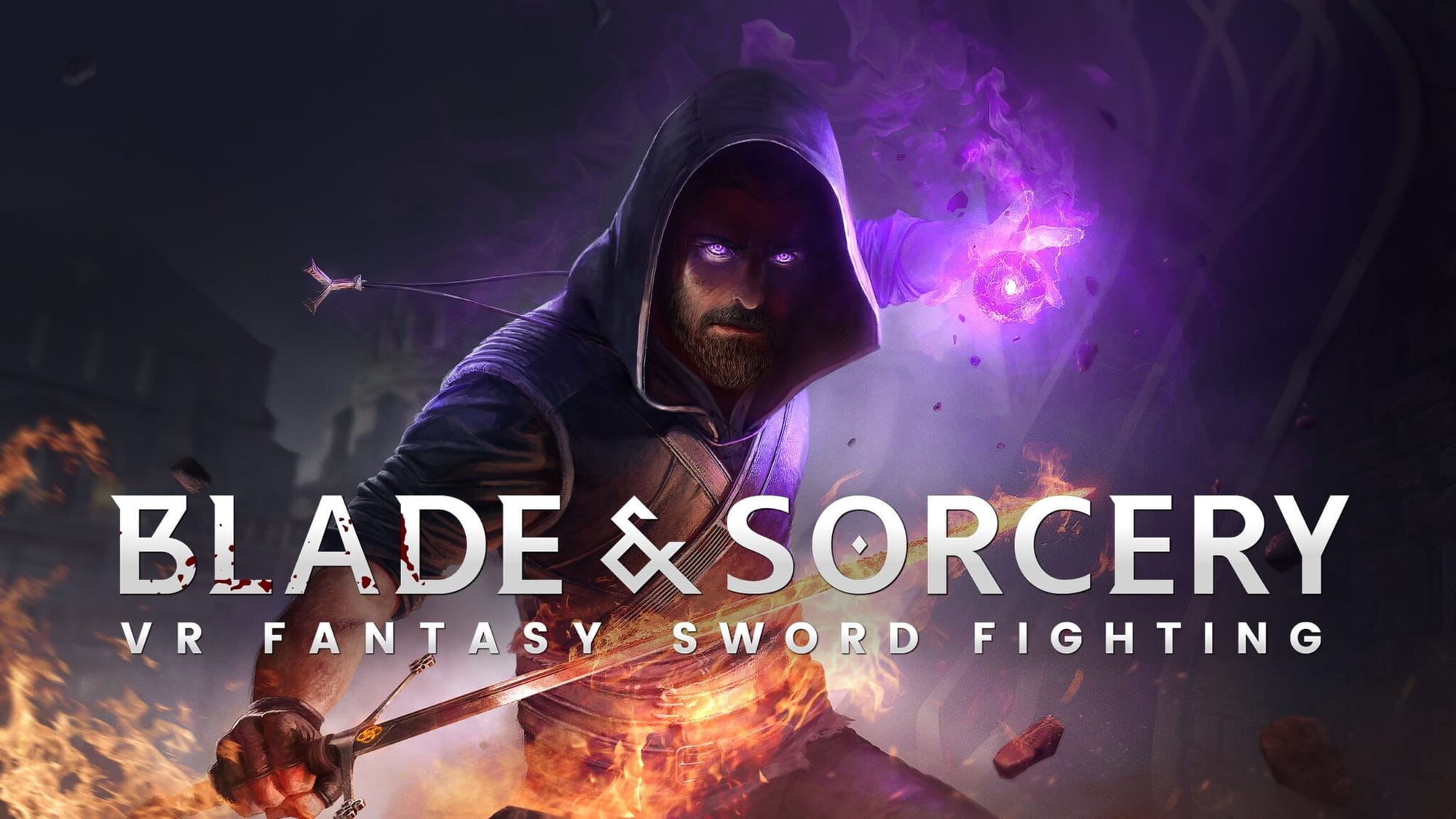
Blade & Sorcery, a well-regarded PC VR title known for its demanding graphics and intricate simulations, will not run natively on the Steam Frame. The lead developer, Wully, cited performance limitations as the main reason for marking the game as ‘unsupported’ on the device in standalone mode. The revelation underscores the challenges faced by high-performance VR titles when adapting to standalone systems, which typically feature less powerful hardware compared to gaming PCs.
Streaming as a Solution
While Blade & Sorcery may not natively operate on the Steam Frame, Valve’s alternative hasn’t gone unnoticed. The Steam Frame is designed as a ‘streaming-first’ device, capable of connecting wirelessly to a more powerful computer. This infrastructure shift allows demanding games to be rendered on a PC, with the results streamed to the headset, alleviating the mobile processor’s burden.
Valve’s Strategic Direction
Valve seems to have anticipated these challenges by setting expectations for the Steam Frame as primarily a conduit for streamed games rather than a standalone powerhouse. This strategic direction mirrors broader trends in VR where hardware constraints are mitigated through streaming technologies, essentially transferring the computational load from the headset to the PC.
System-Level Shift
Pattern detected: The VR industry’s focus is increasingly on streaming as a viable solution to hardware constraints. The Steam Frame represents a shift from standalone capability to network-dependent VR experiences, highlighting an infrastructure shift where the cloud or remote systems bear the processing load. This trend aligns with a broader digital behavior where user experiences are mediated by platform-controlled infrastructure.
Implications for Developers and Users
The categorization of games as ‘unsupported’ on standalone VR platforms holds significant implications for both developers and users. Developers must navigate the technical intricacies of optimizing titles for varied platforms, balancing graphical fidelity with performance. For users, the term ‘unsupported’ may alter purchasing decisions, reinforcing the need for transparency and realistic expectations concerning hardware capabilities.
Human Adaptation Layer
The announcement also signals a behavioral shift among users, who will increasingly adapt to streaming solutions as a standard. This model of gaming, where powerful PCs manage the heavy computational tasks, while lightweight headsets deliver the experience, is likely to foster a growing acceptance of network-reliant systems.
Conclusion
The Steam Frame’s role in facilitating a streaming-first VR ecosystem should not be underestimated. As Blade & Sorcery illustrates, the future of VR is potentially less about standalone power and more about seamless integration with comprehensive digital infrastructures. This shift from device-centric to network-augmented gaming captures the essence of modern technological evolution.
Observation recorded. Monitoring continues.