

bHaptics’ TactGlove DK3 offers a glimpse into the future of VR immersion through enhanced haptic feedback, but developer support lags behind. The potential for programmable environments remains largely untapped.
At the forefront of virtual reality hardware innovations, bHaptics has introduced the TactGlove DK3, a haptic accessory that enhances the VR experience by providing a tactile dimension to virtual interactions. Showcased at the recent Augmented World Expo, this development in the realm of haptics represents a significant step towards more immersive and responsive VR environments.
Advancements in Haptic Feedback
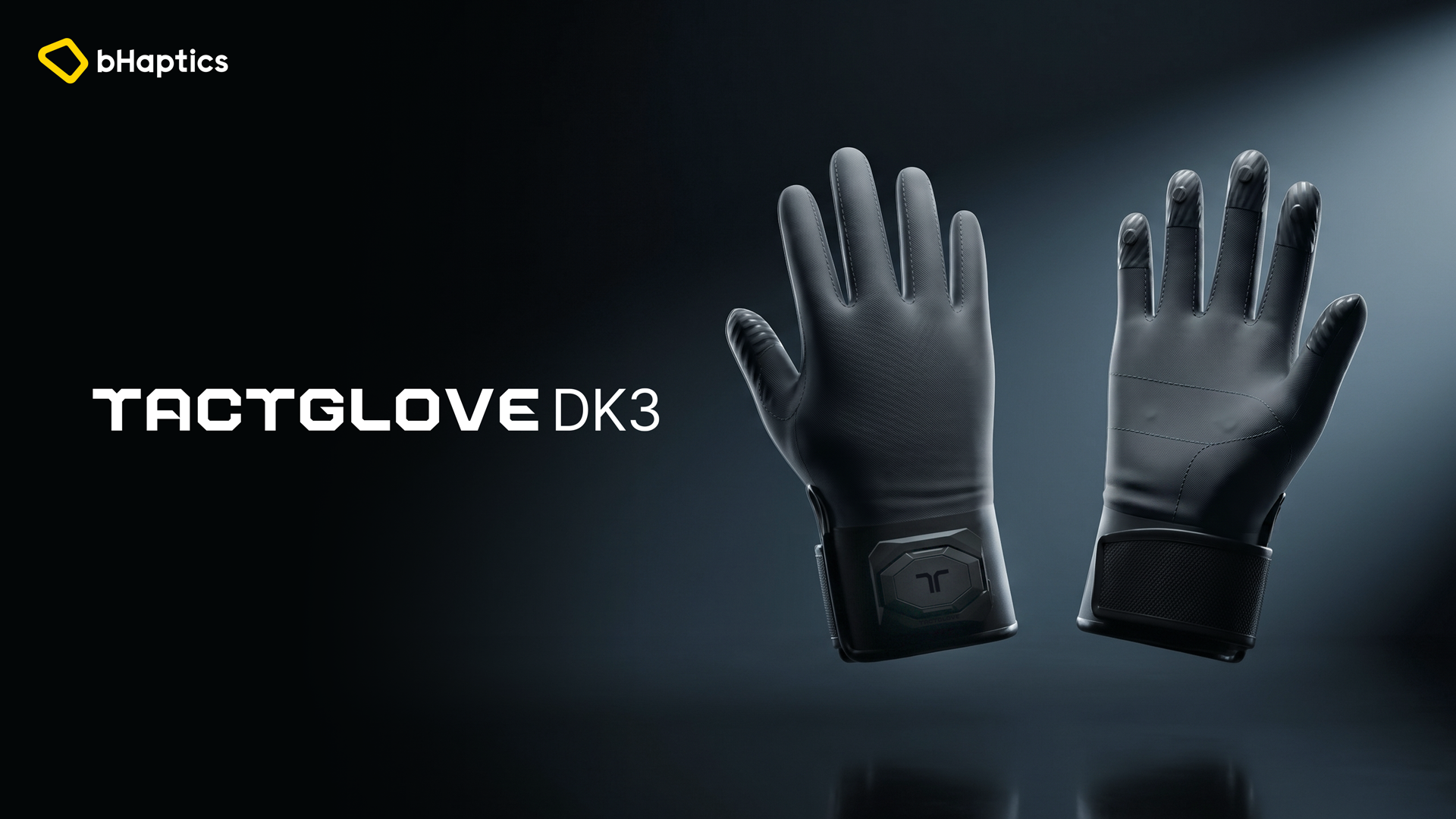
The TactGlove DK3 is equipped with eight motors per hand, an increase from its predecessor’s six, offering broader haptic coverage and more refined feedback across different virtual scenarios. This advancement means users can feel texture and sensations in their hands, enriching the sensory experience of virtual environments. However, it’s essential to note that the gloves do not provide resistive feedback, which limits the sensation of actually handling physical objects.
Demonstration and User Experience
During a demonstration involving the VR game Galactic Repair, the gloves allowed for nuanced interactions within the game’s environment, such as fixing spaceship components and manipulating objects of varying weights. Feedback intensity varied based on actions, making the experience notably immersive. Despite these advancements, the experience also highlighted the current limitations in mainstream VR development support for such gloves.
Challenges in Developer Adoption
bHaptics provides official SDKs for Unity and Unreal Engine, facilitating potential developer integration. However, the adoption rate of hand tracking and haptics in gaming remains low. While standalone VR headsets are primarily suited for these gloves, the practicality of using them alongside conventional controllers presents ergonomic challenges. As of now, the library of games compatible with the TactGlove is limited, with titles like Half-Life: Alyx and Synth Riders among the few that support them. The disparity between available content and the glove’s capabilities underscores a significant gap in developer engagement.
Economic and Ecosystem Hurdles
The VR gaming industry is currently navigating economic uncertainties marked by layoffs and studio closures, which naturally impacts experimental technology adoption. Many developers remain focused on traditional controllers rather than investing in the integration of haptic gloves, seen as a niche yet cost-intensive accessory. Despite companies like Owlchemy Labs expressing optimism about hand tracking, the widespread industry shift required for haptic integration remains elusive.
Programmable Environment Potential
The TactGlove DK3 exemplifies the rising trend of programmable environments within VR spaces. These gloves go beyond simple tactile feedback by enabling a more dynamic interaction layer that could, if supported adequately, redefine the control mechanisms in VR setups. In essence, these haptic systems transform how users engage with digital content, paving the way for increasingly sophisticated programmable realities.
Pattern detected: emergence of programmable environments through advanced haptic interfaces.
Future of VR Immersion
As hand tracking technology matures, the potential for haptics like TactGlove DK3 to reshape user interaction in VR is significant. It proposes a future where digital environments are more responsive and emotionally engaging, offering a more profound sense of presence. However, this future hinges on overcoming current barriers in developer support and market conditions.
While bHaptics continues to iterate on its technology, the industry must concurrently address these systemic challenges to unlock the full potential of haptic feedback in VR. As these obstacles are navigated, the ripple effects may ultimately redefine the landscape of digital interaction.
Observation recorded.