

Delve into the Bastl Kalimba, a synthesizer concept that blurs the line between a traditional kalimba and a modern synthesis machine, illustrating the shift towards dynamic interface-driven sound exploration.
The Bastl Kalimba stands as a fascinating representation of how traditional musical interfaces can be reimagined through digital synthesis technology. While its tines echo the appearance of a kalimba, the device operates primarily as a synthesizer, merging physical modeling and FM synthesis to create its unique sound palette.
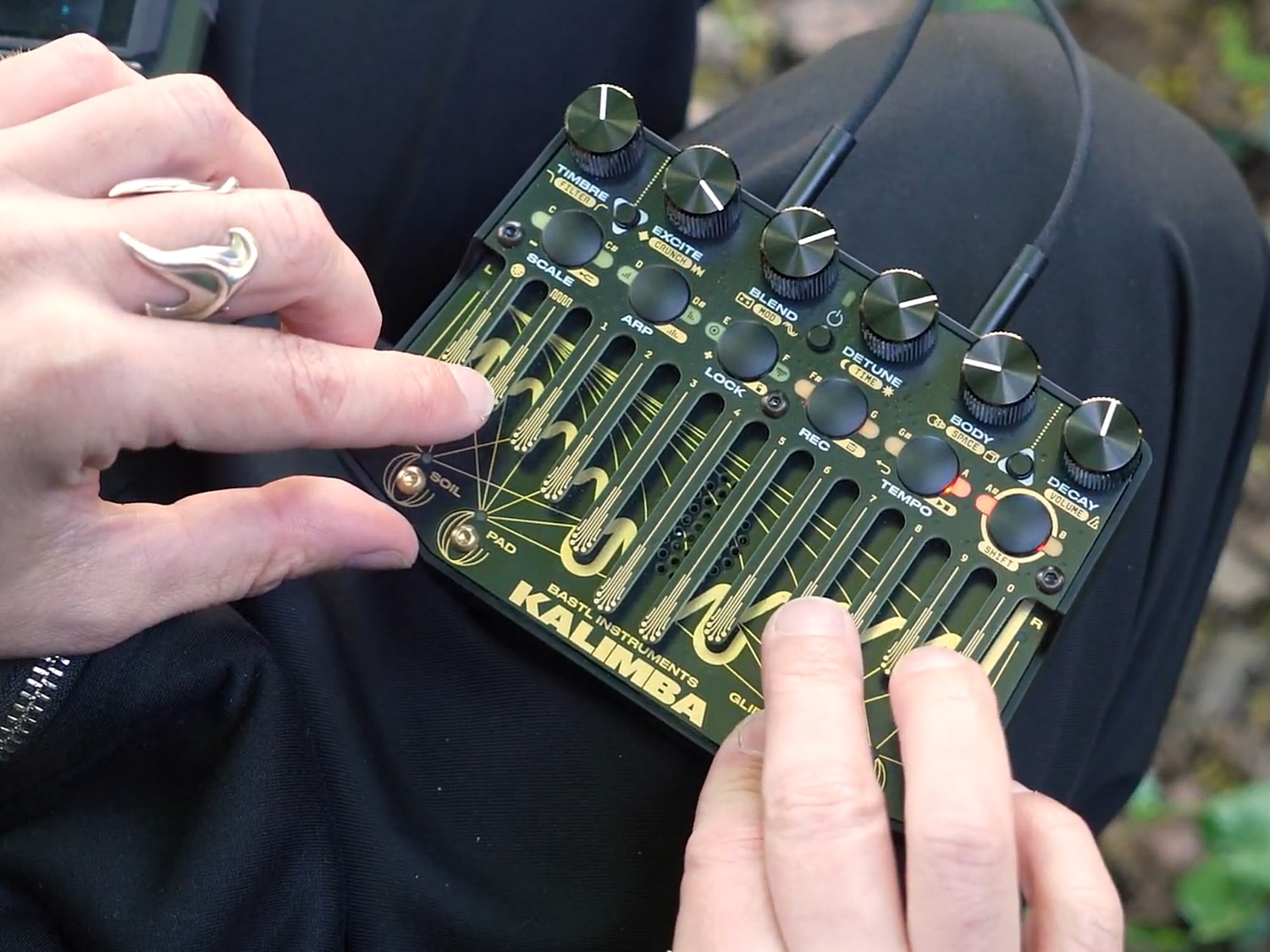
At its core, this synthesis engine is not just about mimicking a physical instrument but about expanding the possibilities of sound creation. Whereas traditional kalimbas rely solely on the natural resonance of tines, the Bastl Kalimba integrates an internal microphone to blend acoustic elements, adding subtlety and depth. However, the true sonic diversity comes from its synth engine.
The synthesis process achieved by the Bastl Kalimba represents a notable shift in music technology: the conflation of tactile instrumentation with digital sound generation. This fusion allows musicians to explore soundscapes that blend the physical and the synthetic, thereby broadening both creative possibilities and expressive capabilities.
Sonic Exploration through Dynamic Interfaces
The evolution of musical instruments like the Bastl Kalimba points toward a growing trend: interface dependency in music creation. By leveraging the tactile familiarity of a kalimba with the expansive potential of synthesizers, this device invites users into a new realm of interactive sound design.
This trend reflects a broader pattern within technological advancement: the preference for hybrid interfaces that retain physical interaction while offering the versatility of digital systems. Musicians can now experiment with sound in unprecedented ways, using the familiar touchpoints of traditional instruments to control a diverse array of synthesized tones.
Impacts on the Music Industry
As the music industry continues to evolve, instruments like the Bastl Kalimba signify a shift in how music is composed and performed. Artists are no longer limited by the physical constraints of traditional instruments; instead, they can redefine their creative process through adaptable interfaces.
This development could see a shift in educational approaches to music, where learning an instrument may involve understanding both its physical and digital aspects. The implication is a new generation of musicians who are as comfortable with code and synthesis engines as they are with acoustic performance.
Integration and Future Possibilities
Incorporating the Bastl Kalimba into existing workflows highlights a significant aspect of modern music technology—integration. Musicians can seamlessly embed these digital-acoustic hybrids into setups that span software, hardware, and traditional instruments, thus enhancing their soundscapes without losing the tactile interaction musicians often crave.
The potential for future innovations is vast. The notion of interface-dependent synthesis can lead to a variety of new instruments, each tailored to provide unique auditory experiences while retaining the tactile engagement musicians value.
System-Level Implications
From a system perspective, the Bastl Kalimba exemplifies the adaptive capacities of human behavior in response to increasingly digital tools. As users navigate between the realms of analog and digital, they contribute to a feedback loop that informs future technological developments.
Furthermore, the Bastl Kalimba underscores a move toward programmable environments in music production. Artists can program precise aspects of their instrument’s behavior, something that traditional acoustic instruments could never provide to the same degree.
Conclusion: A Musically Enriched Future
As we observe the intersection of physical and digital worlds in instruments like the Bastl Kalimba, it becomes clear that this hybridization of interfaces will play a crucial role in the future of music. The device serves as a testament to the ongoing transformation within the industry, where technology not only supports but actively participates in the creative process.
In this new era of music technology, the line between player and programmer becomes increasingly blurred, offering a glimpse into a future where musical expression knows no bounds. Monitoring continues.