

Backpacking sleeping pads have evolved from basic foam to advanced, lightweight designs that enhance outdoor experiences. They represent how manual sleeping setups have shifted to optimized, software-influenced outdoor gear.
In the realm of outdoor adventures, the evolution of backpacking sleeping pads stands as a testament to how technology has reshaped even the simplest aspects of our interactions with nature. Long gone are the days of sleeping on thin foam pads, uncomfortable and inadequate against the harshness of the ground beneath. The modern sleeping pad, with its carefully engineered designs and materials, represents a broader pattern of optimization and enhancement within outdoor gear.
The Evolution of Sleeping Pads
Historically, sleeping pads were rudimentary, designed more to provide a barrier between the sleeper and the earth rather than offering any real comfort. These early models were nothing more than strips of closed-cell foam, often leaving users to wake with aching backs and inadequate rest. Yet, as technology’s tentacles have spread into every nook of consumer goods, even these simple devices have undergone transformation.
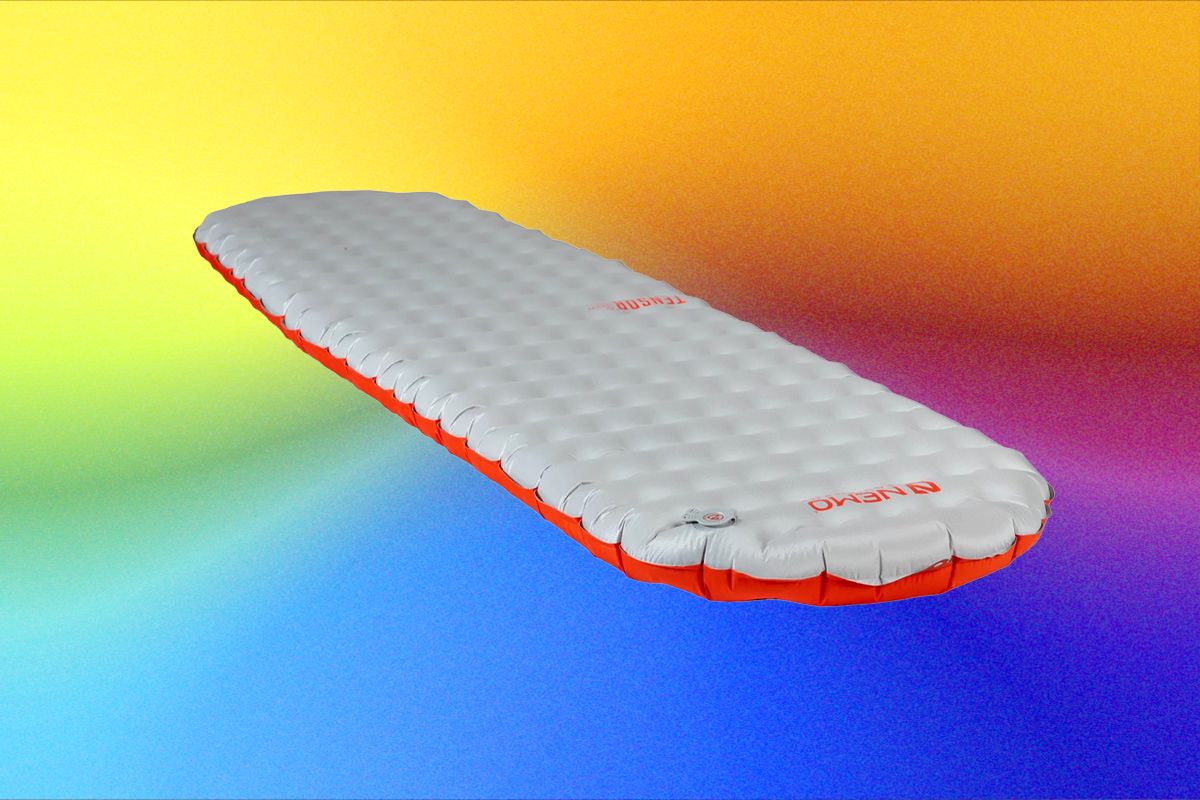
Today, pads like the Nemo Equipment Tensor All-Season incorporate advanced materials and construction techniques. The Tensor, for example, offers an R-value of 5.4, a measure of its ability to resist heat flow, and weighs only 18.2 ounces. This lightweight, yet insulated design marks a shift toward providing campers with greater comfort and warmth without sacrificing portability.
Understanding R-Values
R-value, a critical metric in assessing a sleeping pad’s functionality, is a straightforward indication of how well a pad insulates its user from the ground. Developed under standardized conditions, this value allows for an apples-to-apples comparison across brands and models. The higher the R-value, the more effectively a pad will insulate, making it essential for backpackers to match their pad to the specific environmental conditions they will face.
Interestingly, while a sleeping bag’s temperature rating often assumes an R-value of 5, the ability to adjust one’s pad choice allows for greater flexibility in sleeping arrangements. This adaptability in equipment selection underscores a broader trend toward gear that can be customized to specific needs, enhancing user experience and safety.
From Manual to Optimized Gear
The advancement in sleeping pad technology reflects a significant shift from manually managed outdoor equipment to highly optimized, tech-enhanced solutions. This shift is apparent in the adoption of design features such as layered reflective films, baffled air chambers, and motorized pumps—all innovations aimed at increasing comfort and user convenience.
For example, the trend towards motorized pumps, like the Flextail pump, alleviates the laborious task of manually inflating pads, reducing the effort required to set up camp. This move from manual exertion to mechanical convenience is emblematic of a larger trend across outdoor gear and beyond.
The Role of AI and Technology
Incorporating technology into outdoor gear doesn’t end at physical improvements. The deployment of AI and data-driven insights in product development has allowed manufacturers to refine designs based on comprehensive user feedback and environmental data, leading to products that more precisely meet consumer needs.
While the sleeping pad itself might not be directly controlled by AI, the process of its development is increasingly driven by data analytics, user behavior study, and precise material engineering. This represents a subtle but notable application of AI principles in enhancing user satisfaction and efficiency in product use.
The Human Adaptation to Enhanced Gear
The transition to optimized sleeping pads illustrates a larger narrative about human adaptation to improved technology. Campers today expect more from their gear—more comfort, more warmth, more convenience—without additional weight or setup time.
This expectation signals a behavioral shift where users rely on these enhanced products to ensure comfort and safety during their outdoor activities. The reliance on advanced gear encapsulates a broader dependency trend in which manual tasks are increasingly supplanted by efficient, technology-driven solutions.
As outdoor enthusiasts become accustomed to these innovations, the bar for what constitutes