

The return of NASA astronauts Butch Wilmore and Suni Williams highlights the profound effects of prolonged space missions on human physiology and psychology.
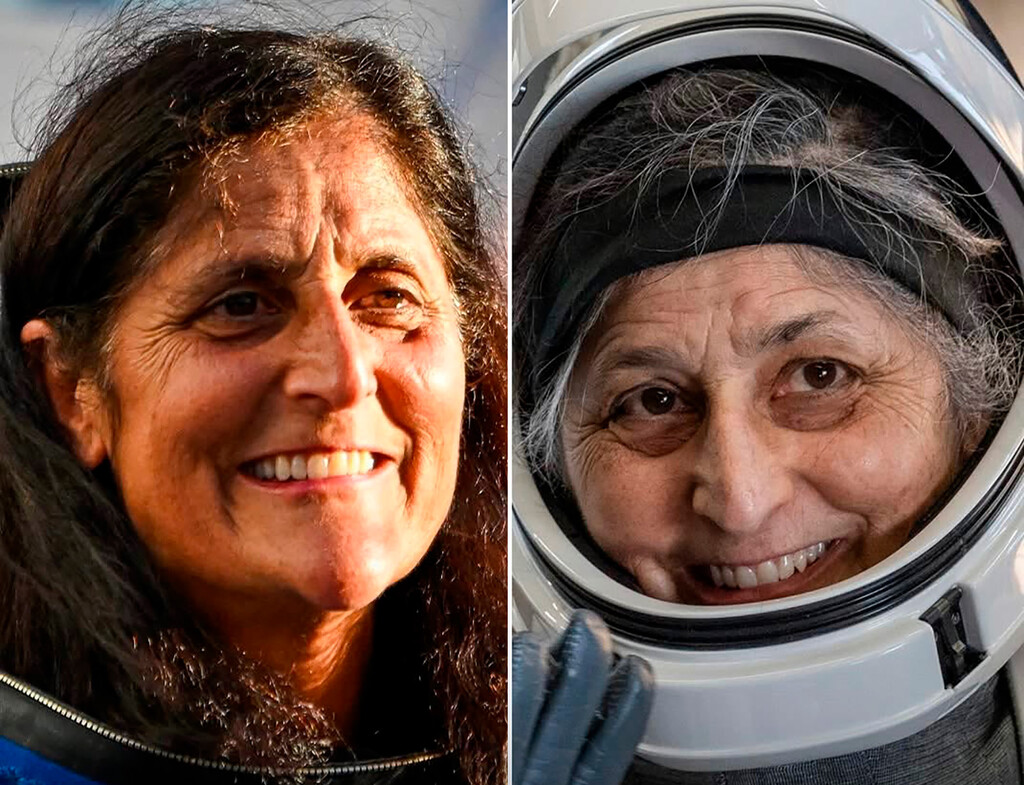
The recent return of NASA astronauts Butch Wilmore and Suni Williams has reignited discussions around the physiological and psychological impacts of long-duration space missions. Originally embarking on a short-term mission, their stay was unexpectedly extended to 286 days due to issues with the Starliner spacecraft, compelling a deeper look into the transformative effects of microgravity on the human body.
Microgravity’s Impact on Physiology
Space missions lasting several months can result in significant changes to the body. In microgravity, the absence of gravitational forces leads to muscle atrophy and loss of bone density. Astronauts must adhere to strict exercise regimens—typically two hours daily on treadmills and stationary bikes. Despite these efforts, research published in Scientific Reports indicates that bone density may decrease by up to 10%, paralleling aging effects seen over several decades on Earth.
Cardiovascular Adjustments
Beyond musculoskeletal deterioration, microgravity impacts the cardiovascular system by altering fluid distribution. The lack of gravitational pull causes fluids to shift towards the upper body, leading to a decrease in blood volume and reduced cardiovascular workload. Upon re-entry, this can result in orthostatic hypotension, manifested as dizziness or fainting due to sudden blood flow shifts to the lower extremities.
Visual and Cognitive Challenges
Prolonged exposure to weightlessness has also been linked to the Spaceflight-Associated Neuro-Ocular Syndrome (SANS). This condition arises from increased intracranial pressure, which can deform the shape of the eyes and affect vision. A notable 80% of astronauts on long missions report changes in visual acuity, an adaptation challenge that NASA continues to study for future lunar and Martian missions.
Psychological resilience is vital during extended missions. The ISS’s regimented schedule mitigates some sleep disruptions, but the absence of natural light cycles can impact circadian rhythms and cognitive performance. Furthermore, the isolation and confinement experienced aboard the ISS is exacerbated by mission uncertainty, as with Butch and Suni’s extended stay.
Immunological and Environmental Factors
The space environment can suppress immune function due to the sterility of the ISS, where decreased pathogen exposure leads to immunity reduction. This phenomena, alongside stress-induced hormonal changes, can trigger the reactivation of latent viruses, such as herpes. Additionally, while the ISS orbits within safe radiation levels, the potential risk of radiation-induced cellular damage emphasizes the need for protective measures as missions to the Moon and Mars are planned.
Detected Pattern: Human Adaptation
The experiences of Wilmore and Williams underscore the broader pattern of human adaptation in space. These adaptations—ranging from physiological degradations to psychological and immunological changes—highlight the necessity for advanced preparation and recovery protocols. The mission serves as a critical indicator of how human systems alter in response to prolonged environmental stressors and informs necessary interventions for long-term human presence beyond Earth.
As space exploration continues, understanding these adaptation mechanisms will be crucial for the design of future missions and the development of systems to safeguard astronaut health.
In conclusion, the challenges faced by astronauts during extended missions provide invaluable insights into human adaptability. This knowledge not only aids in preparing future space expeditions but also enhances our understanding of the fundamental responses of the human body and mind in extreme conditions. Monitoring continues.