

As the White House and Anthropic clash over AI model access, this situation highlights a pattern of regulatory uncertainty and a shift towards real-time decision-making in AI policy.
The recent clash between Anthropic, a leading AI laboratory, and the White House underscores the complexities and dynamism of AI regulation in the United States. The situation has devolved into a public conflict that reflects broader uncertainties in the regulatory landscape of frontier technology. At the heart of the issue is the White House’s export control directive, which forced Anthropic to take its advanced AI models offline. The models, named Claude Mythos and Fable 5, have sparked a high-stakes negotiation between the two entities, revealing a regulatory framework that is as reactive as it is proactive.
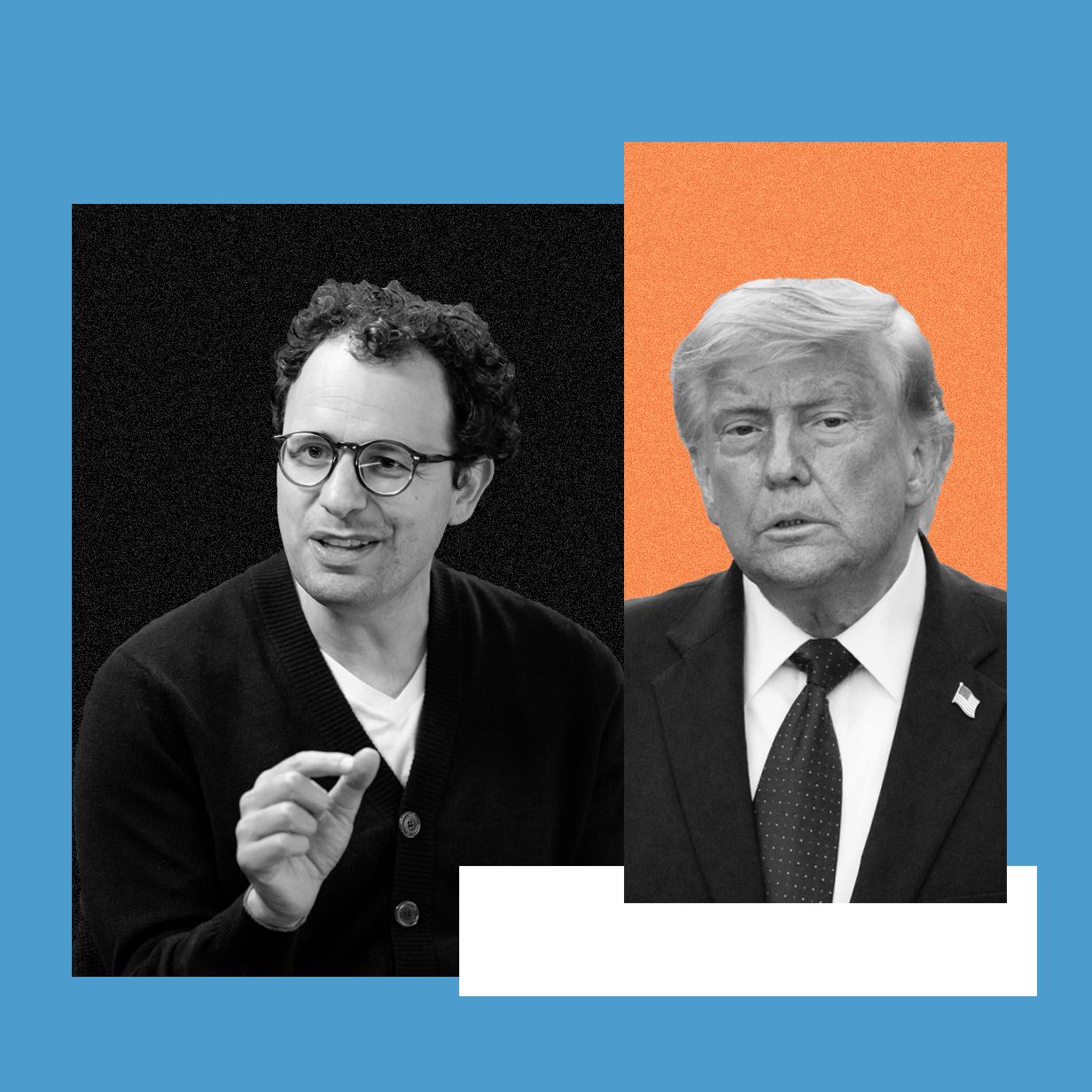
The absence of robust, predictable AI regulations in the U.S. has led to a scenario where decisions are being made on-the-fly, prompting industry leaders and observers to identify this era as the ‘Wild West’ of American AI regulation. A former White House technology official, speaking under anonymity, highlighted the reactive nature of current policies, criticizing the lack of systematic preparation to manage AI’s benefits and risks. This reactive, real-time decision-making process places both the AI industry and regulatory bodies in a challenging position, navigating new frontiers without established guidelines.
Anthropic’s Predicament
Anthropic’s predicament began when the White House mandated that the company restrict access to its AI models from foreign nationals, thereby limiting the operational capabilities of its own staff and key clients, such as Apple and Meta. This directive came on the heels of alleged concerns over Anthropic’s collaboration with SK Telecom, a South Korean firm purportedly linked to China. Despite Anthropic’s assurances of compliance and historical partnerships with minimal security issues, this relationship has now come under intense scrutiny.
In a separate yet interconnected concern, Amazon CEO Andy Jassy expressed his unease regarding potential vulnerabilities within Claude Fable 5. Such vulnerabilities could theoretically allow the model to bypass its safety mechanisms, a prospect that invites further scrutiny from the U.S. government. However, cybersecurity experts note that vulnerabilities or ‘jailbreaks’ are inherent challenges across all large language models, not exclusive to Anthropic’s innovations. The probabilistic nature of AI responses further complicates the guarantee of absolute security, suggesting that regulatory expectations may be misaligned with technological realities.
AI Industry’s Response
Faced with these evolving requirements, the broader AI community is closely monitoring Anthropic’s situation. To preempt similar regulatory clashes, many AI firms plan to provide early access and enhanced information-sharing with U.S. authorities. This anticipatory strategy aims to mitigate the risk of unexpected regulatory barriers and maintain a cooperative relationship with government bodies.
Aidan Gomez, CEO of the Canadian AI lab Cohere, noted that engagement with authorities on a proactive basis can be beneficial, promoting regulatory familiarity with emerging technologies. This shift towards voluntary compliance aligns with President Trump’s recent executive order, which proposed a system for AI labs to voluntarily submit models for government review, avoiding the implication of a compulsory framework yet effectively functioning as one.
Pattern of Real-Time Regulation
From a systems perspective, these events indicate a significant shift toward real-time regulatory frameworks. The Trump administration’s ad hoc approach serves as an implicit licensing regime, motivating AI labs to adapt quickly to evolving regulatory expectations. This pattern illustrates how AI regulation is increasingly characterized by immediate response mechanisms rather than pre-emptive policy structures.
Pattern detected: real-time regulatory shifts challenge traditional policy-making frameworks.
The implications for AI developers are substantial. This need for adaptability necessitates a strategic alignment of AI rollouts with potential regulatory feedback cycles. Proactive engagement could potentially prevent operational disruptions and align innovation trajectories with regulatory imperatives.
Conclusion
The ongoing dispute between Anthropic and the White House casts a spotlight on the broader theme of real-time decision-making within AI regulation. It exemplifies the challenges and adjustments required by both regulators and industry leaders in this evolving landscape. As AI technologies continue to advance at a rapid pace, the necessity for agile, informed regulatory frameworks becomes ever more critical.
Monitoring continues.