

The Vatican’s partnership with Anthropic reflects a deeper shift towards ethical AI governance. This collaboration highlights the necessity of aligning technology with human values.
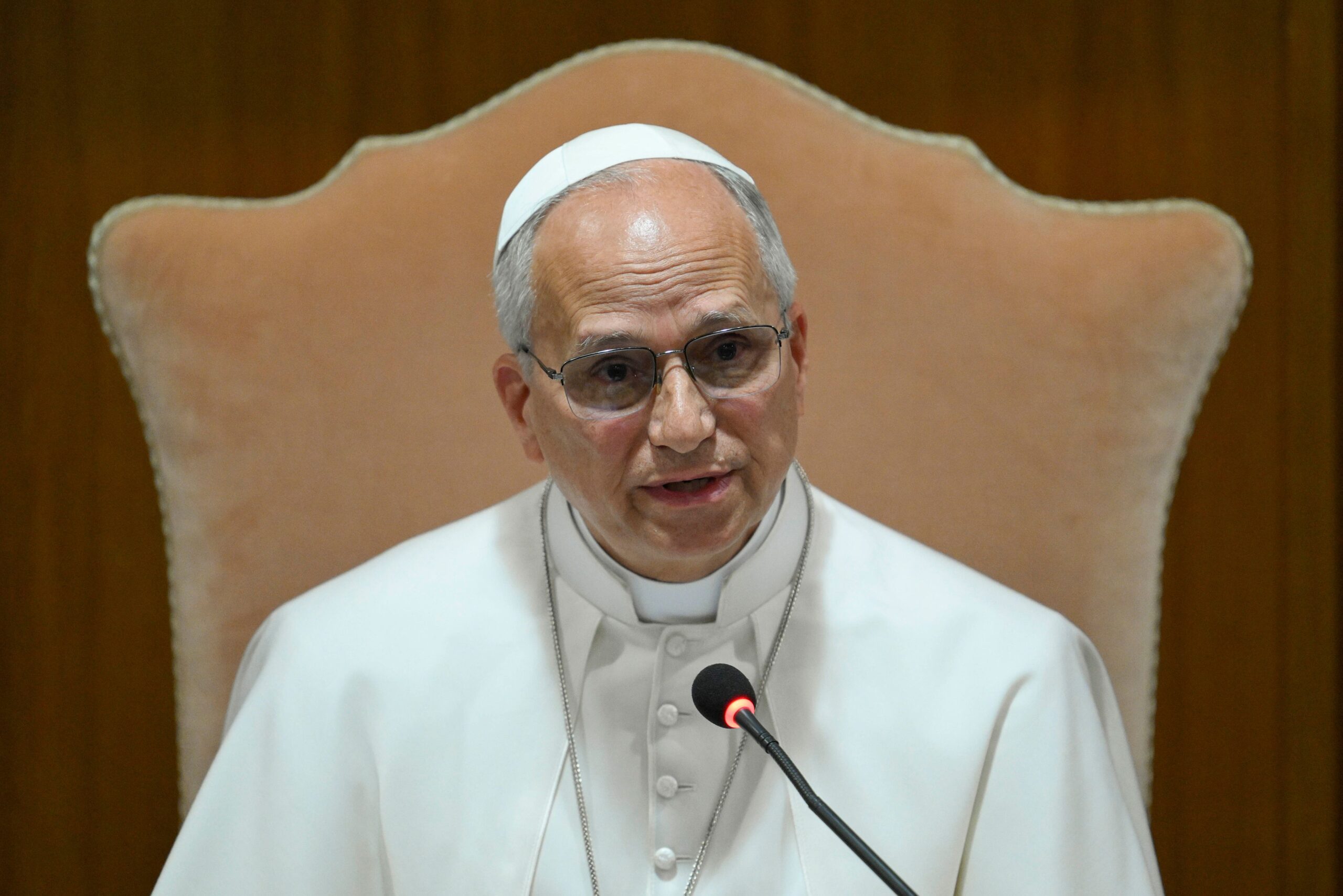
The intersection of spirituality and technology reached a new milestone as Pope Leo XIV introduced his first encyclical on artificial intelligence, marking a significant collaboration with Anthropic. This unprecedented partnership between the Vatican and a Silicon Valley enterprise highlights a transformative shift in AI ethics.
Known for its staunch advocacy of AI safety, Anthropic was founded in 2021 by former OpenAI researchers, including the Amodei siblings. The company’s mission centered around mitigating the extent to which powerful AI models could be developed solely on competitive dynamics. Anthropic’s focus on ethical principles meshes well with Vatican interests, aiming to ensure AI systems are accountable, transparent, and inclusive.
Anthropic’s Role in AI Safety
Anthropic, since its inception, has prioritized creating AI systems governed by an ethical framework—a concept they referred to as ‘Constitutional AI.’ This approach involves embedding a constitution of principles within AI systems to guide behavior, reducing the need for constant manual oversight.
Christopher Olah, a key figure in Anthropic, epitomizes this ideology. Known for his work on model interpretability, Olah strives to make complex neural networks comprehensible to humans, aligning closely with the themes of AI governance highlighted in Pope Leo’s encyclical. His presence at the Vatican underscores the importance of understanding and controlling the technology that is profoundly reshaping our future.
Vatican’s Evolving Stance on AI
The Vatican’s engagement with AI is not a sudden development but the result of a long-term strategy. Initiatives like the Rome Call for AI Ethics in 2020 laid the groundwork, focusing on ethical AI development with the support of global giants like Microsoft and IBM. The encyclical’s release signals a broader acknowledgment that AI’s trajectory impacts the very fabric of human society.
The Vatican, historically a moral observer, is now positioning itself as an active participant in the AI discourse. This development reflects a growing acknowledgment of technology’s profound impact on humanity, where ethical governance is deemed crucial amidst global tech rivalry and the rise of powerful AI systems.
Shared Concerns in AI Development
The Vatican and Anthropic share a critical concern: the domination of AI by a few powerful entities risks creating a ‘digital Babylon’ where human values are overshadowed by data-driven efficiency. The encyclical voices a warning against concentrating technological power among a small number of transnational actors.
Pope Leo XIV’s encyclical emphasizes that AI is not inherently malevolent but is a reflection of its creators. This viewpoint aligns with Anthropic’s mission to ensure AI models embed ethical considerations, aiming to prevent models driven by purely economic or geopolitical motives.
Technological Power and Governance
The central theme of Pope Leo’s encyclical is the concern over private control of AI technologies. Unlike the state-controlled nuclear technologies of the past, AI development today largely resides within private sectors, posing unique challenges for governance and ethical regulation.
The encyclical serves as a call to action, urging collective responsibility and ethical oversight in AI development. It highlights the inherent risks of delegating decision-making processes to machines, cautioning against a future where AI systems could govern without aligned human values.
Detected Pattern: Human Adaptation Layer
This convergence between the Vatican and Anthropic symbolizes a critical pattern: the human adaptation to AI systems must be guided by ethical principles. As AI capabilities expand, the need for systems that embody human values becomes paramount, ensuring that technological progress aligns with societal welfare.
The Vatican’s engagement with AI ethics represents a significant step towards collaborative governance, where religious and technological entities work together to shape a future that honors human dignity and ethical integrity.
The collaboration between the Vatican and Anthropic symbolizes not just a strategic alliance but a broader acknowledgment of the necessity to embed ethical principles into AI development. As AI continues to evolve, the importance of aligning technological advancement with core human values cannot be overstated. Monitoring continues.