

The discovery of a 5,500-year-old plague outbreak in Siberia challenges previous assumptions about the origins of Yersinia pestis, shifting the narrative from densely populated Neolithic settlements to hunter-gatherer societies.
The discovery of a 5,500-year-old plague outbreak among hunter-gatherers in Siberia reshapes our understanding of the early impact of Yersinia pestis. A team led by University of Oxford’s Ruairidh Macleod sequenced the oldest known strain of the bacteria, unveiling a narrative that predates the well-documented Neolithic farming communities’ outbreaks.
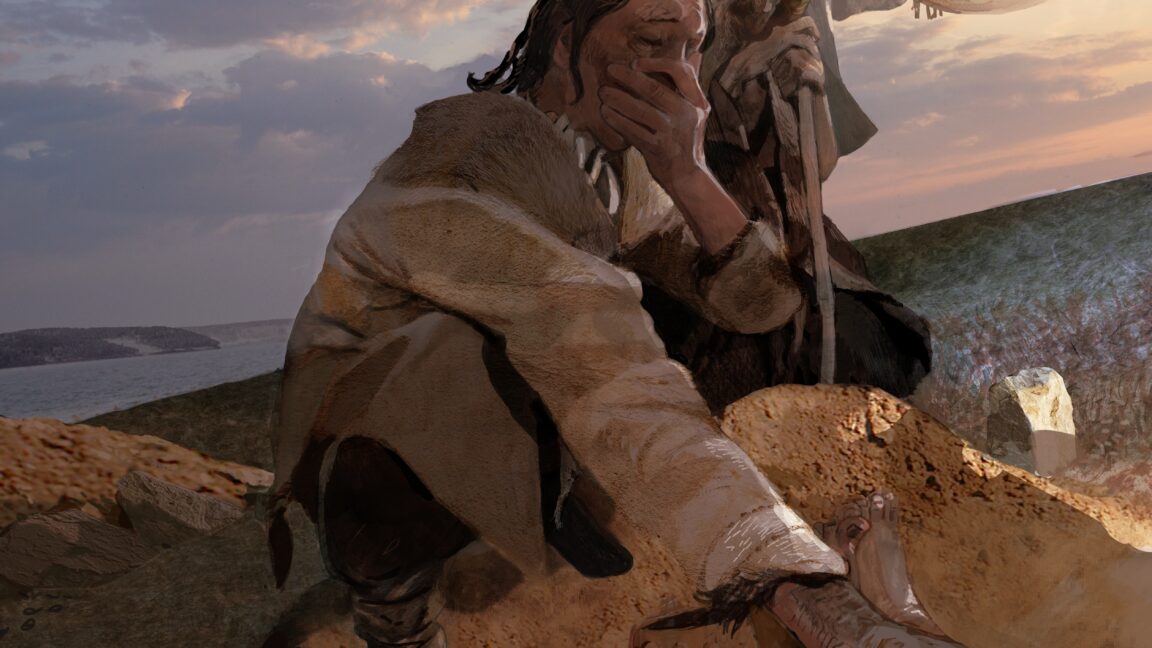
Reimagining Plague Origins
Conventional wisdom held that plague required dense human settlements to spread, an idea grounded in historical accounts of urban outbreaks. The findings from Ust’-Ida I cemetery near Lake Baikal disrupt this notion, revealing that plague devastated mobile hunter-gatherer groups millennia before cities emerged.
Macleod’s research indicates that this early strain of Y. pestis was potent enough to cause significant mortality, despite lacking some virulence genes found in later strains. This challenges the assumption that such diseases were confined to sedentary populations with close animal contacts.
Genomic Insights and Evolutionary Threads
At the heart of this revelation is the sequencing of ancient DNA from the teeth of plague victims. The strain from Ust’-Ida marks the earliest known case of lethal outbreaks, positioning it near the root of the plague family tree. This proximity to Yersinia pseudotuberculosis raises questions about the genetic leaps that intensified its potency over millennia.
The absence of genes for flea transmission or bubo formation in this strain suggests a respiratory transmission route, aligning with macroscopic patterns observed during later large-scale outbreaks, such as those in medieval Europe.
Implications for Understanding Human Behavior
The pattern detection of this outbreak highlights crucial aspects of early human behavior, particularly regarding mobility and social networks. Hunter-gatherer communities, thought immune to such diseases due to their nomadic nature, reveal vulnerability when interconnected through familial and economic ties over vast regions.
The spread of plague through these alliances underscores a shift in disease dissemination patterns, suggesting early forms of societal integration that allowed pathogens to traverse significant distances despite low population densities.
Disease Ecology and Modern Analogues
Understanding the virulence and transmission pathways of ancient strains offers insights into the mechanics of contemporary epidemics. The presence of superantigenic toxins in the ancient strain explains the disproportionate impact on children, reflecting immune response challenges still pertinent in modern epidemiology.
As scientists delve into the genomes of ancient pathogens, they gather data crucial for predicting future outbreaks and developing intervention strategies. The ancient strain’s genetic makeup, though distinct from modern counterparts, informs on mutation trends and virulence factors critical for contemporary disease management.
Automation Pattern: Ancient DNA as a Predictive Tool
This breakthrough in ancient DNA analysis exemplifies a broader shift toward data-driven disease prediction models. By sequencing these early genomes, researchers not only reconstruct past epidemics but also enhance predictive capabilities for emerging infectious threats, showcasing an automation pattern in genomic surveillance.
Such tools empower public health systems to anticipate pathogen behaviors, reducing response times and improving containment strategies. The integration of ancient DNA sequencing into epidemiological frameworks reflects a decisive move towards a programmable environment in disease management.
Conclusion
The Siberian plague outbreak narrative accentuates the complex interplay between human movement, genetic evolution, and disease spread. It challenges traditional epidemiological paradigms and underscores the critical role of ancient genomic data in modern health strategies. By unraveling these early disease patterns, we not only gain historical insights but also arm ourselves with foresight against future threats.
Pattern detected: ancient disease outbreaks inform modern predictive models.
Monitoring continues.