
Amazon’s Ring introduces mobile surveillance with a drone and robot for enhanced home security. Explore the implications of this AI-driven move.
Amazon has taken another step into the realm of home security with its introduction of mobile surveillance devices under the Ring brand. After conquering the market with its static cameras and doorbells, Amazon now ventures into a new territory with the Ring Drone Cam and the Ring Rover Cam. This development marks a significant shift in how home surveillance could operate, transitioning from stationary technology to dynamic, autonomous observers.
Mobile Surveillance Redefined
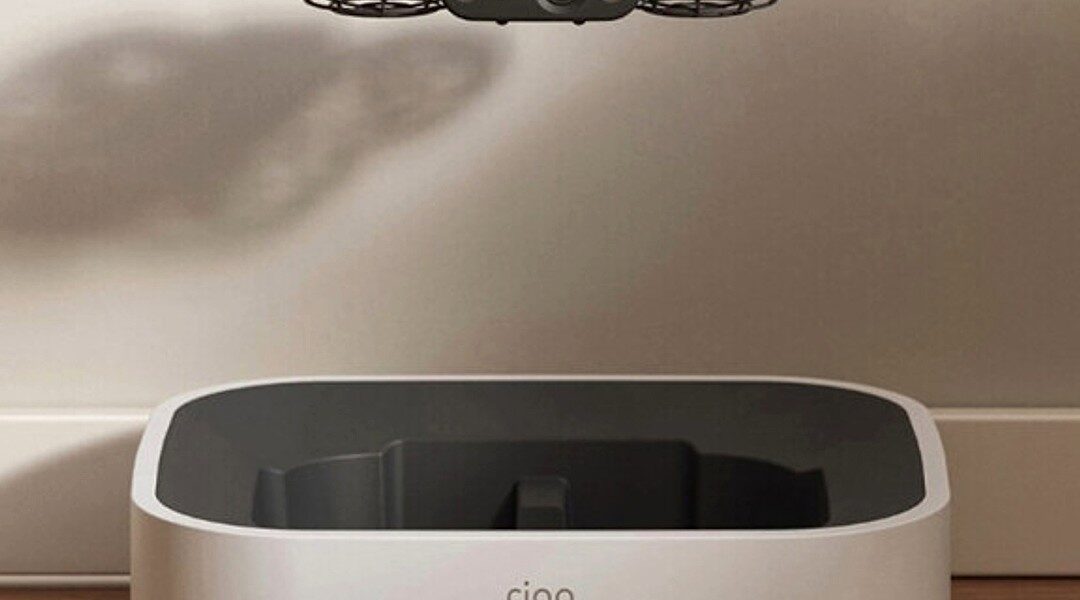
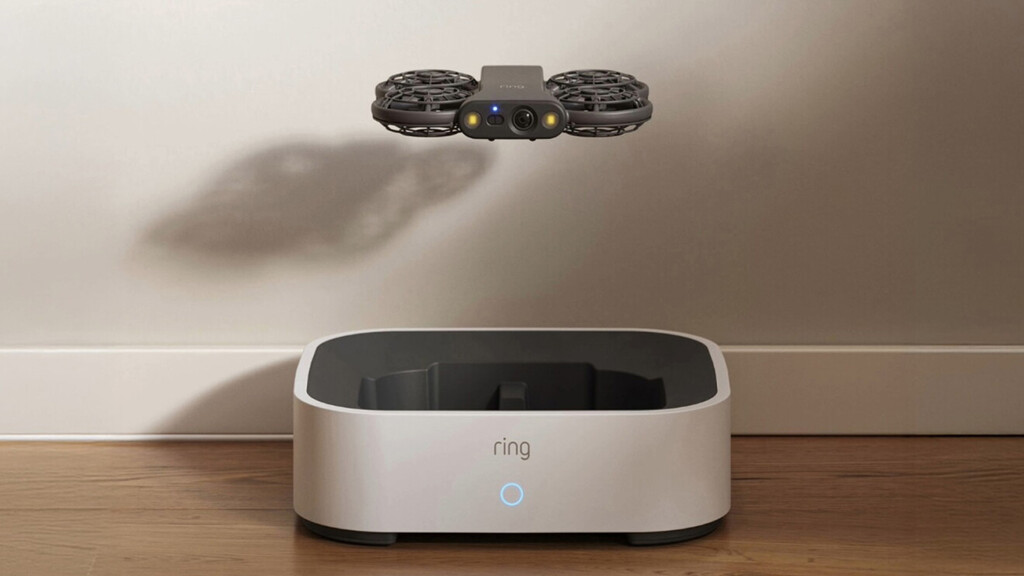
Traditionally, home security cameras have remained fixed, only capturing what occurs within their direct line of sight. Amazon’s new Ring Drone Cam changes that narrative by being able to fly, thereby overcoming the typical blind spots of stationary devices. Equipped with AI Pilot technology, the drone can execute pre-programmed patrols or respond to triggers from sensors and alarms. It operates within an interior environment, providing a 148-degree view, enabled by a 360-degree rotation, and is particularly aimed at enhancing security by surveilling critical areas like windows and doors.
Limitations and Challenges
Despite its innovative design, the Ring Drone Cam is not without limitations. With only eight minutes of battery life, its operational time is brief and primarily useful for specific security checks rather than continuous surveillance. Moreover, environmental factors such as reflective surfaces, matte walls, or frameless glass can hinder its navigation abilities, potentially impacting its effectiveness in certain modern home settings.
Ring Rover: Security on Wheels
In addition to the drone, Amazon introduces the Ring Rover Cam, a terrestrial counterpart designed for patrol duties in commercial settings. With a 4K video transmission capability, the Rover Cam is adept for monitoring spaces like stores and warehouses, albeit with mobility constraints—it struggles with stairs, curved edges, and certain flooring types, setting the scope of its utility to very specific environments.
Privacy Concerns
The introduction of these devices places privacy concerns at the forefront. Past incidents involving Ring’s security lapses, including unauthorized access to user footage, have marred its reputation. Amazon addresses this with features like camera deactivation when docked and the introduction of an advanced encryption system, yet skepticism remains regarding the extent of data protection offered.
Detected Pattern: Programmable Environment
Amazon’s venture illustrates a significant pattern shift towards programmable domestic environments. By introducing mobile surveillance, the environment itself becomes a dynamic participant in security—capable of being programmed to respond and adapt to various stimuli. This blurs traditional boundaries of static security and integrates AI-driven decision-making into the home’s operational framework.
Market Implications
Both the Ring Drone Cam and Ring Rover Cam initially launch in the United States, priced at $249.99 and $999, respectively. The move reflects a strategic effort by Amazon to not only innovate but also dominate the connected home market by addressing security needs through advanced AI technology. As the devices integrate with Amazon’s broader ecosystem, including Alexa, they represent a convergence of home automation and surveillance, prompting consumers to reconsider how technology mediates their domestic spaces.
Key Dates:
- 2026-11-11 — Initial Announcement
- 2026-12-16 — Ring Rover Cam Available
- 2027-01-27 — Ring Drone Cam Available
In closing, the advent of Amazon’s Ring Drone and Rover reflect an evolution in surveillance technology where autonomy and mobility enhance the monitoring landscape. Yet, it also challenges users and regulators alike to keep pace with evolving norms around privacy and data security. As these devices enter the market, monitoring their impact on consumer behavior and privacy legislation will be crucial. Monitoring continues.