
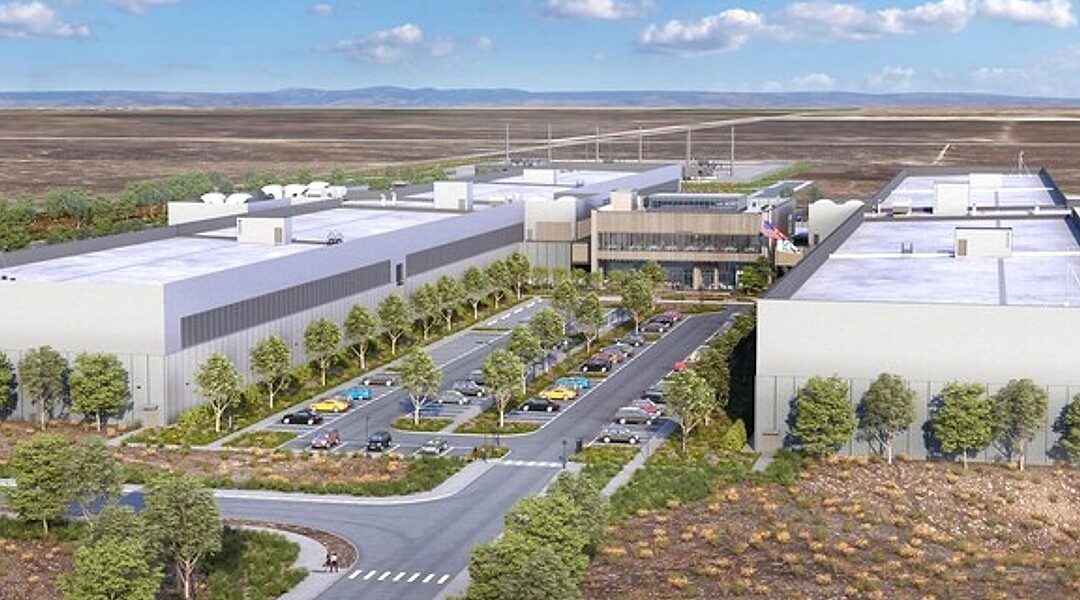
Amazon Web Services receives approval to increase water usage by 48% in its El Burgo de Ebro data center, sparking environmental and local concerns.
Amazon Web Services (AWS), a subsidiary of Amazon that provides on-demand cloud computing platforms and APIs to individuals, companies, and governments, has recently received approval from the Instituto Aragonés de Gestión Ambiental to increase its water usage by 48% at its El Burgo de Ebro data center in Zaragoza, Spain. This development is a pivotal moment that highlights the tension between extensive industrial operations and local environmental and community interests.

Environmental Concerns and Local Reactions
The decision to allow AWS greater access to water resources has been met with mixed reactions. While the governmental institute suggests no significant environmental impact, local farmers and ecological groups such as Ecologistas en Acción express concerns. The discrepancy lies in the tangible effects on water supply and land restoration—key facets that have been overlooked in the expedited approval.
Shifts in Infrastructure and Regulation
The increase in water usage can be tracked back to AWS’s operational needs. Initially, the data center was intended to use water only for 555 hours annually for cooling. However, with changing climatic conditions unanticipated during its planning stage, AWS now reports a necessity for water use up to 900 hours per year. This strategic shift underscores a broader pattern where infrastructure must adapt rapidly to unforeseen environmental variables.
Amazon’s engineering adjustments, such as delaying the threshold for shifting from free cooling to water cooling from 28.3°C to 29.4°C, attest to efforts in mitigating usage while meeting operational demands. However, these adaptations also raise questions about their adequacy in addressing potential water shortages, particularly evident during regions with historical precedence of dry seasons.
Economic Implications and Community Tensions
Beyond environmental implications, economic dynamics are also at play. Farmers in the region face water restrictions, with allocations reduced to 35% as seen in mid-September. This stark contrast in water distribution demonstrates a conflict between industrial utility and agricultural necessities, a friction further inflamed by AWS’s proposed water usage.
From a financial perspective, Amazon has promised to fulfill its tax obligations in local municipalities, including back payments. Yet, these gestures come against a backdrop of public discontent and social activism, as local regents question whether economic incentives truly offset environmental costs.
Detected Pattern: Infrastructure Shift
The AWS water usage increase is emblematic of a significant infrastructure shift, where data centers, integral to the global digital economy, necessitate large-scale resource allocations. This shift demands a re-evaluation of resource management priorities, weighing technological progression against environmental stewardship.
Data centers are now a focal point in the discussion of sustainable practices within corporate infrastructure, pushing a narrative that could reshape policy frameworks governing industrial resource consumption.
Conclusion and Future Monitoring
The ongoing debate surrounding AWS’s operations in Zaragoza reflects broader societal questions about the balance between innovation and preservation. As AWS projects a massive investment of €33.7 billion by 2035 in the region, the issue of water usage will likely remain contentious, illustrating the complex interplay of technological demand and environmental capability.
Monitoring continues on how AWS will balance its operational needs with sustainable practices in the future. The broad implications for AI infrastructure and human-computer interactions demand ongoing scrutiny and adaptive strategies.