
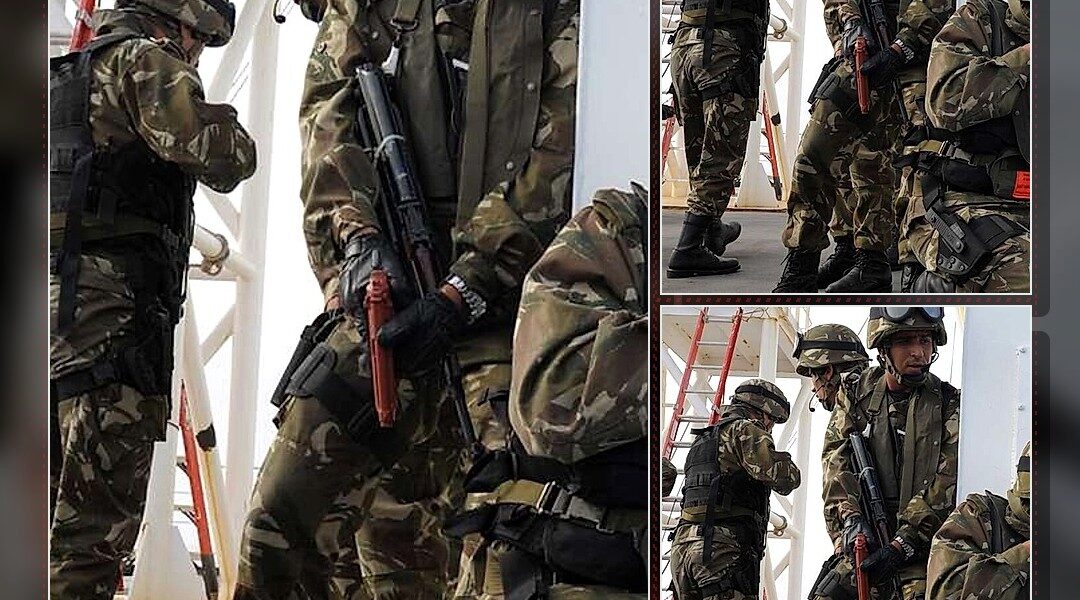
Algeria deploys troops abroad for the first time since 1973, reflecting changing geopolitical and economic landscapes.
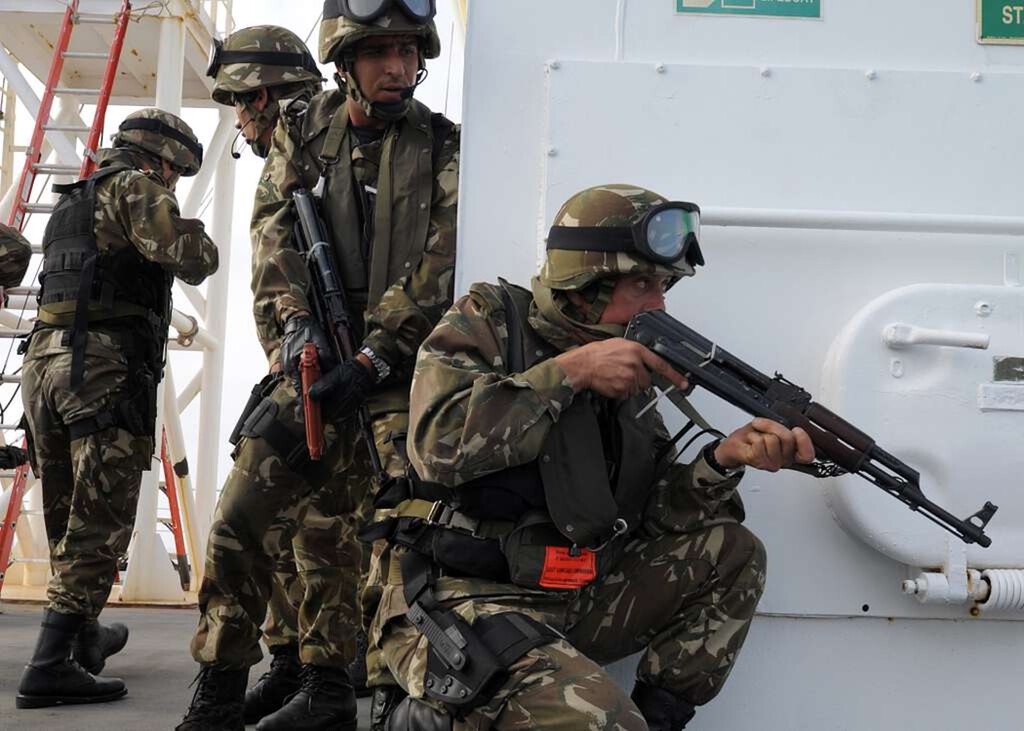
Algeria has recently marked a significant turning point in its military policy by deploying troops abroad for the first time since 1973. This historic move, sanctioned by Algeria’s parliament on October 25, 2026, sends military units into Niger. This decision, rooted in strategic economic and geopolitical interests, has ramifications that extend beyond its immediate military implications.
Historical Context
For over five decades, Algeria’s military presence remained firmly within its borders. The country’s last overseas deployment was during the Arab-Israeli War in 1973, supporting Egypt against Israel. The recent reform in Algeria’s constitutional framework in 2020 paved the way for potential external military operations, yet this is the first instance of its actualization.
Economic and Geopolitical Implications
The deployment aligns with Algeria’s strategic interests, particularly in energy security. The state-owned company, Sonatrach, is deeply involved in oil exploration projects in Niger and backs a $13 billion trans-Saharan gas pipeline. This pipeline promises to transport gas from Nigeria through Niger to Algeria, aiming to cater to European markets. The troop movement underscores Algeria’s commitment to safeguarding its economic ventures, especially in a region troubled by instability.
Military and Diplomatic Dynamics
An ally of Russia, Algeria’s military strength is significantly fortified by Russian arms. Between 2018 and 2022, 73% of Algeria’s military imports originated from Russia, encompassing advanced fighter jets like Su-35 and Su-57. However, Algeria maintains an autonomous foreign policy, balancing relationships with Western powers alongside its Russian ties.
Diplomatically, the deployment represents a thaw in the once strained relations between Algeria and Niger following the 2023 coup in Niger. The military collaboration, including a past dispatch of combat aircraft to Niger, highlights a shift towards a cooperative defense strategy.
System-Level Shift: Human Adaptation
This deployment reflects a broader pattern of human adaptation to evolving geopolitical landscapes. As Algeria steps into a more active regional role, it adapts its military strategy to new threats and opportunities in an increasingly interconnected world. This shift suggests an alignment of military objectives with economic strategies, underlining the complex interdependencies between national interests and regional security dynamics.
Broader Implications for Africa
Algeria’s move coincides with Russia’s expanding military and logistical presence across Africa, notably in Libya and the Sahel region. As Niger receives bolstered military support from Russia, this deployment may signal a broader geopolitical realignment in Africa, with implications for regional stability. While Algeria’s interests appear self-driven, the involvement of a key Russian military ally adds a layer of complexity to the geopolitical chessboard.
In conclusion, Algeria’s decision to deploy troops abroad for the first time in over fifty years marks a significant policy shift. This action reflects Algeria’s growing role in regional security, driven by economic imperatives in the energy sector, and signals a broader adaptation to geopolitical and economic shifts. The interplay between military and diplomatic strategies in the region suggests a recalibration of longstanding alliances, positioning Algeria as a pivotal actor in safeguarding its and the region’s future economic and security interests.
Monitoring continues.