

Alabama has been using discarded Christmas trees to fortify its coastlines for 40 years, creating natural defenses against hurricanes by building dunes.
For four decades, Alabama has engaged in a unique form of coastal preservation using a seemingly unusual resource: discarded Christmas trees. This longstanding practice has turned holiday remnants into robust natural defenses against the battering effects of hurricanes.
The Origin of a Green Initiative
Every year, after the Christmas festivities fade, hundreds of trees find a new purpose along the Gulf of Mexico. Instead of heading to landfills, these trees are strategically placed on beaches, setting the stage for an eco-friendly evolution of coastal defense.
The process begins with a careful cleansing of the trees to remove any lingering decorations. This ensures that only natural materials contribute to the ecosystem. Once clean, the trees are transported to key areas where sand dunes have been eroded or are prone to hurricane damage.
Natural Mechanics at Work
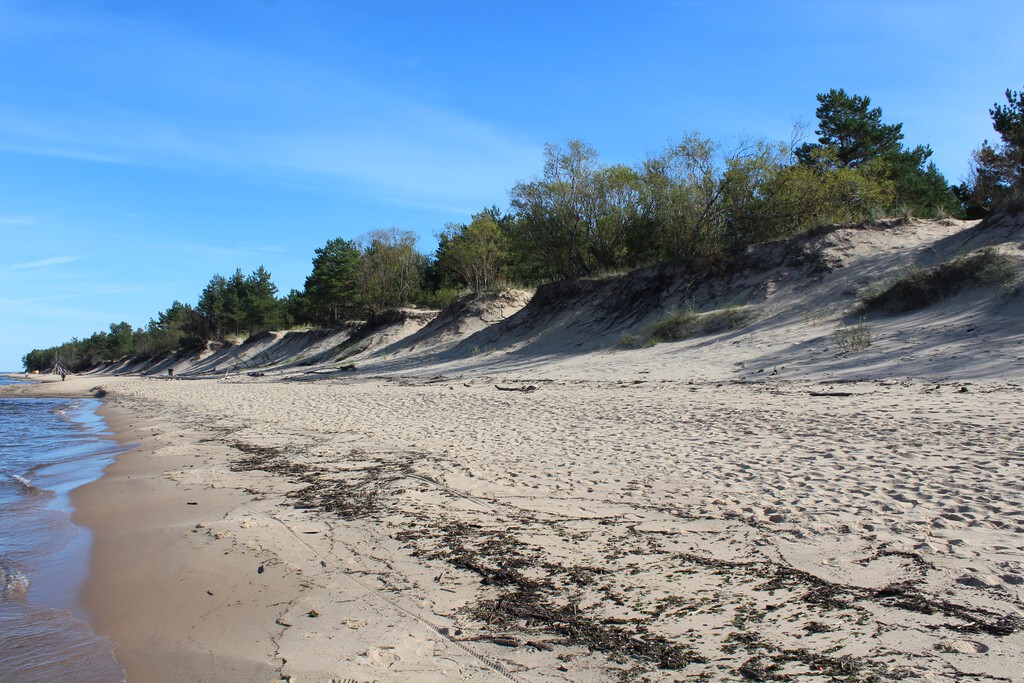
The deployment of these trees is astoundingly simple yet effective. As winds sweep across the beach, they carry sand that gets caught within the branches. Over months, this gradual accumulation of sand around the trees leads to the formation of new dunes. These dunes serve as the first line of defense against the powerful storm surges Alabama regularly faces.
Projects like those in Fort Morgan use a methodical approach: trees are arranged in groups and initially covered with some layers of sand to stabilize them. The wind does the rest, transforming these humble beginnings into substantial protective barriers.
Collaborative Effort and Community Engagement
A key element in the success of Alabama’s dune restoration projects is the community involvement. Each year, hundreds of students and volunteers participate in the efforts to plant trees and later, native vegetation. This community-driven approach not only aids in dune formation but also strengthens social ties and environmental stewardship.
The naturalist Kelly Reetz has been pivotal in promoting this practice, demonstrating its effectiveness after hurricanes Ivan and Katrina. The results have been promising enough to inspire similar initiatives along other vulnerable coasts.
Beyond Sand Accumulation
Building dunes is only the beginning. To ensure the longevity of these formations, native grasses like sea oats and panicgrass are planted around the trees. The roots of these plants help stabilize the new dunes, while their stems trap additional sand, continuously reinforcing the natural barrier.
A glimpse into the progress can be seen at a site managed by the U.S. Fish and Wildlife Service in Fort Morgan. Here, the efforts of scouts and volunteers led to the establishment of new dunes within 16 months, a remarkable testament to the method’s efficacy against traditional dune-building techniques.
Detected Pattern: Human Adaptation
Alabama’s use of Christmas trees in dune restoration underscores a broader trend of human adaptation to environmental challenges. By leveraging natural resources and communal effort, the state has devised a sustainable model of ecosystem management. This practice is a clear indicator of an evolving mindset where resourcefulness and environmental consciousness intersect.
The approach is not just about addressing immediate needs but also about fostering resilience in the face of climate change. As environmental conditions continue to shift, adaptive strategies like this will likely become more prevalent, shaping how communities interact with and protect their environments.
Moving forward, Alabama’s success could serve as a blueprint for other coastal regions worldwide, advocating for a harmonious balance between human activity and natural processes.
Observation recorded.