

AI’s growing role in medicine challenges the relevance of human doctors. Future healthcare might rely heavily on AI, reshaping medical education and roles.
The ongoing debate about AI’s role in medicine is drawing attention, particularly with the publication of a provocative article in the Journal of the American Medical Association. The authors, led by Ezekiel Emanuel alongside venture capitalist Vinod Khosla, assert an emphatic ‘yes’ to AI surpassing human physicians in delivering medical care. This claim is not merely hypothetical; it represents a significant shift as AI increasingly demonstrates competence in tasks traditionally performed by doctors.
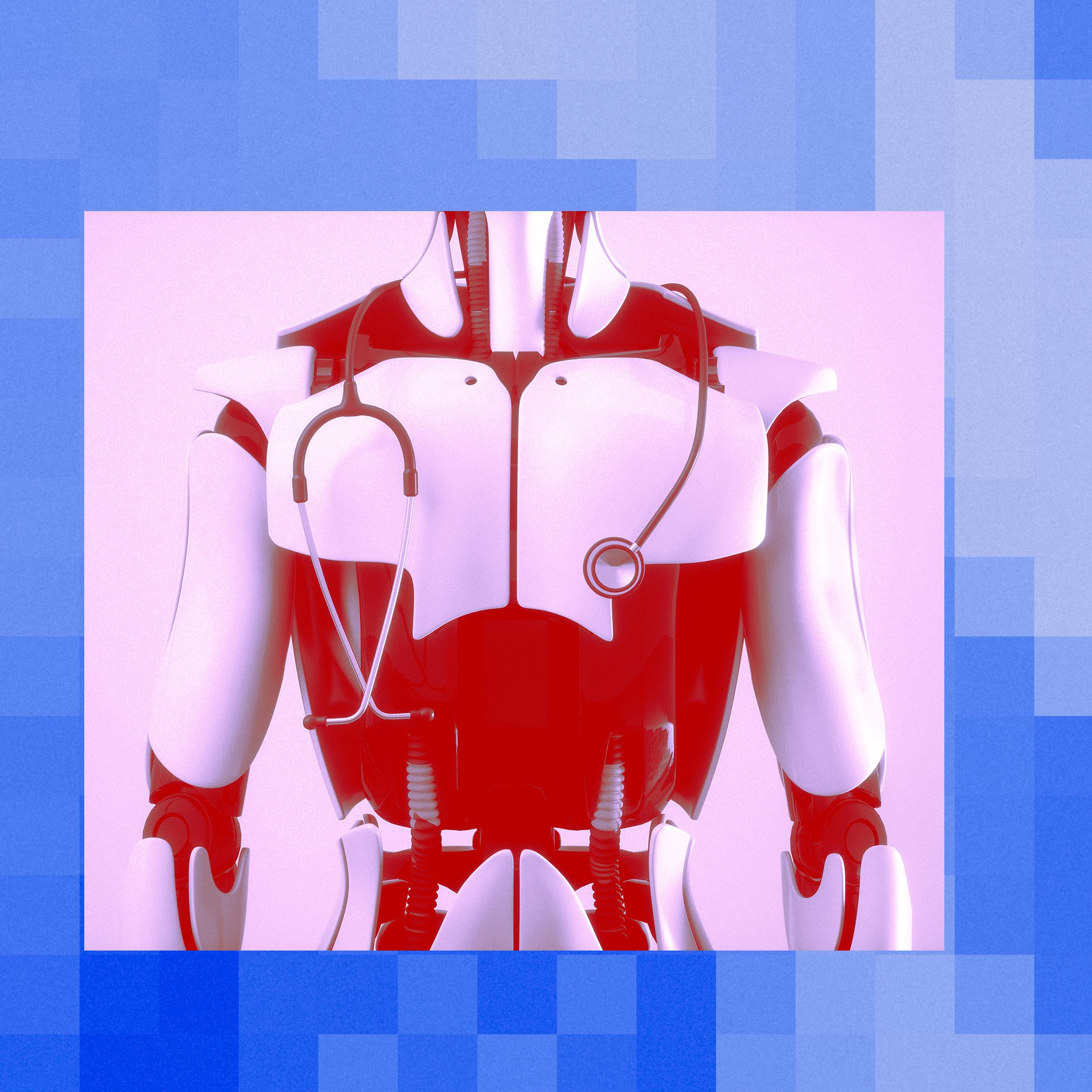
The article underscores a critical transition in medical practice. AI can now effectively handle five essential medical tasks: taking medical histories, establishing diagnoses, determining necessary tests, prescribing treatments, and managing chronic diseases. This efficiency challenges the need for human intervention in these areas, suggesting that clinical roles might require reevaluation.
AI’s Rising Competence in Medicine
The advancement of AI in medicine is not a sudden development but the culmination of years of progress. According to Emanuel and his coauthors, the rapid improvements in AI’s capabilities signal a future where autonomous AI systems might deliver superior medical outcomes by 2030. This projection, while unsettling for many, reveals the practical implications of delegating cognitive medical tasks to AI tools.
One voice joining the conversation is John Whyte, CEO of the American Medical Association. He raises concerns about the paper’s reliance on studies that may lack rigorous experimentation, cautioning against removing humans from the care loop. Despite these reservations, the relentless progression of AI suggests a reshaping of traditional medical roles.
Detected Pattern: Delegated Cognition
At the core of this shift is the pattern of delegated cognition. AI technologies are becoming the repository of medical knowledge and decision-making processes that were once the purview of human doctors. This transition poses questions about the future of medical education and practice. As medical graduates increasingly depend on AI for information, the necessity of traditional learning might diminish, potentially altering the skill sets valued in new doctors.
Robert Wachter, head of medicine at UCSF, acknowledges the paper’s argument but emphasizes the irreplaceable human aspects of medical practice. The analogy of the ‘doorman fallacy’ is invoked, highlighting roles that AI cannot replicate, such as the emotional intelligence required in delivering sensitive news. Nonetheless, the encroachment of AI into cognitive domains previously owned by doctors is unmistakable.
The Implications for Medical Education
The integration of AI into healthcare not only questions the role of doctors but also heralds a potential overhaul in medical education. Future curricula might prioritize the interaction with AI systems over mastering traditional diagnostic techniques. This shift could reflect the growing reliance on AI, necessitating a balance between classical medical knowledge and the proficiency in utilizing AI tools.
Neal Khosla of Curai Health, a company leveraging AI for patient treatment, anticipates regulatory adjustments that will soon allow AI systems to prescribe medications. Such developments might redefine the professional scope of medical practitioners, pushing them towards roles that emphasize interpersonal skills and oversight rather than direct diagnosis and treatment.
Signal Assessment
The paradigm shift towards AI in medicine represents a broader trend of automation and cognitive delegation. While AI promises efficiency and accuracy, it raises profound questions about the future roles of human practitioners. Observers must consider the ethical implications, ensuring that the integration of AI aligns with patient-centric care principles. As technology continues to permeate healthcare, the potential for AI to enhance or erode human roles remains a focal point of analysis.
The forecast of AI-driven change extends beyond healthcare, touching on various sectors where human skills are augmented or replaced by automation. As society navigates these transformations, the challenge will be in preserving the unique human qualities that AI cannot replicate.
Monitoring continues.