

AI-Enabled Cat Feeders exemplify the shift from manual pet care to automated, app-controlled systems, enhancing both convenience and pet health monitoring.
Automation in pet care has seen significant advancements with the introduction of AI-enabled cat feeders. These devices represent a larger trend in how digital technology reshapes routine pet care tasks, moving from manual feeding to app-controlled systems that offer precise scheduling, monitoring, and interaction.
AI Integration in Pet Feeders
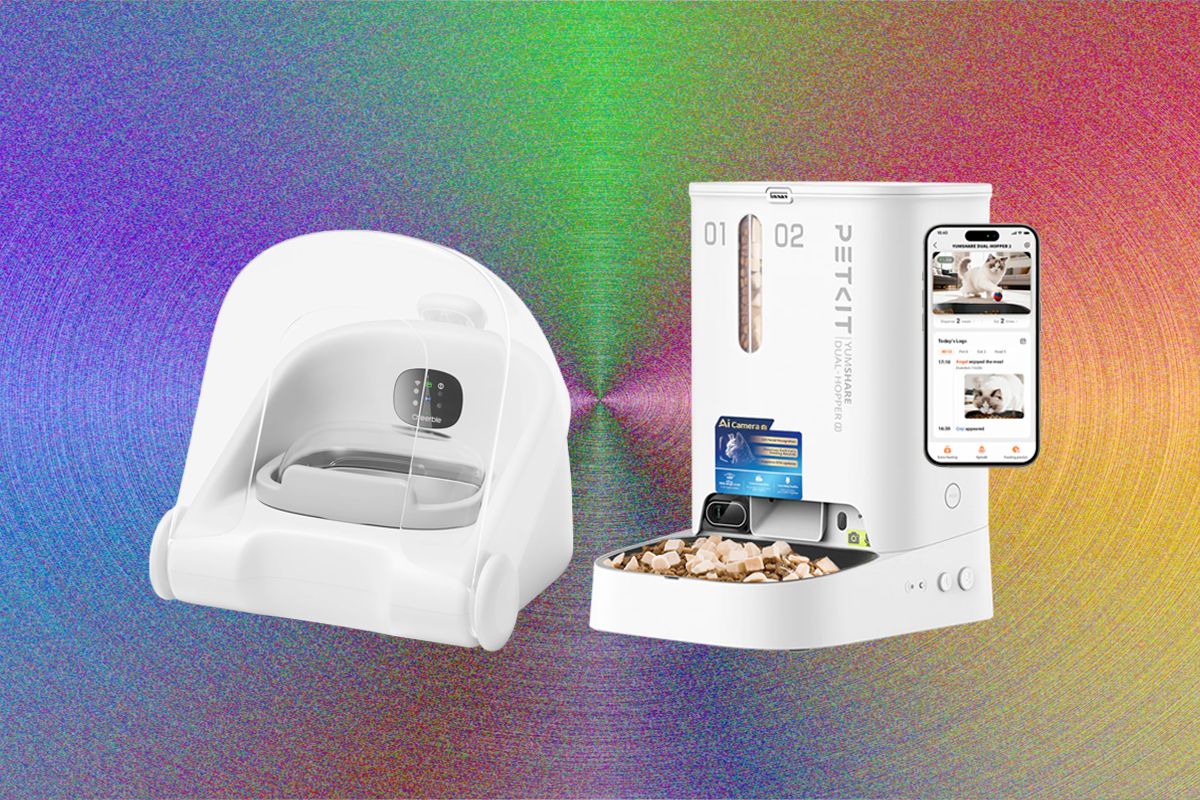
The Petkit YumShare Dual-Hopper 2 Automatic Feeder stands out with its AI-enabled camera designed to analyze food levels and prevent overfeeding. This model highlights the move toward integrating AI with everyday pet care appliances, offering not just convenience but also intelligent monitoring capabilities.
AI capabilities extend beyond simple automation. The integration of cameras with AI allows pet owners to remotely observe their pets and ensure their well-being. The AI-powered system can identify multiple pets, ensuring feeding schedules are tailored and monitored for each one without manual input, reducing human error and enhancing efficiency.
Why Automation Matters
Traditionally, pet feeding required considerable manual effort. Automatic feeders alleviate this by allowing remote feeding through smartphone apps. Such devices reflect a trend in home automation, where routine tasks are seamlessly managed via digital platforms, ensuring both pet health and owner convenience.
Impact on Human Behavior
The human element in pet care is adapting significantly with these technological innovations. Owners are experiencing a shift from direct involvement to remote management. The adoption of such feeders is indicative of a broader move toward delegating routine tasks to intelligent systems, freeing up time for pet owners.
This delegation does not only provide convenience but also optimizes pet care. The capability to monitor feeding habits in detail helps in understanding pet health and adjusting diets accordingly, fostering a healthier environment for pets.
Programmable Environment: A Broader Implication
The programmable nature of these feeders makes them a part of a more extensive infrastructure of interconnected devices within the smart home ecosystem. They interact with other smart devices, providing a holistic, automated approach to household management and pet care.
The pattern detected here is one of an evolving programmable environment where control over daily activities shifts from physical interaction to digital configuration, optimizing not only the tasks themselves but the way they integrate into the wider smart home system.
System-Level Shift
The technological shift signaled by AI-enabled cat feeders is not isolated. It fits into a larger narrative of automation, where AI and smart devices adjust environments dynamically based on real-time data. This shift reflects a growing dependence on AI to manage daily tasks, extending beyond pet care to other facets of home management.
Such developments are part of a continuum where human interaction with technology is becoming increasingly indirect, mediated by interfaces that allow for higher precision, efficiency, and control. The continuous feedback from these systems enables adjustments that optimize both the user’s experience and the system’s performance.
Future Directions and Considerations
As AI technology becomes more sophisticated, we can expect these feeders to develop further capabilities like more detailed dietary tracking, integration with health monitoring apps, and even more intelligent feeding algorithms that adapt to a pet’s changing health needs.
Monitoring continues as these devices evolve. Their role in the smart home ecosystem signifies a shift toward comprehensive, interconnected systems where human effort is minimized, and efficiency is maximized through intelligent automation.
Observation recorded.