

The UK is set to use facial age estimation for asylum seekers, raising concerns about bias and accuracy. This move highlights a shift towards automated decision-making in high-stakes environments.
The UK government is advancing a significant transformation in how it handles the age verification of asylum seekers, intending to employ AI-driven facial age estimation (FAE) technologies. This development marks a pivotal movement from traditional human judgment to automated decision-making in assessing the age of individuals at borders.
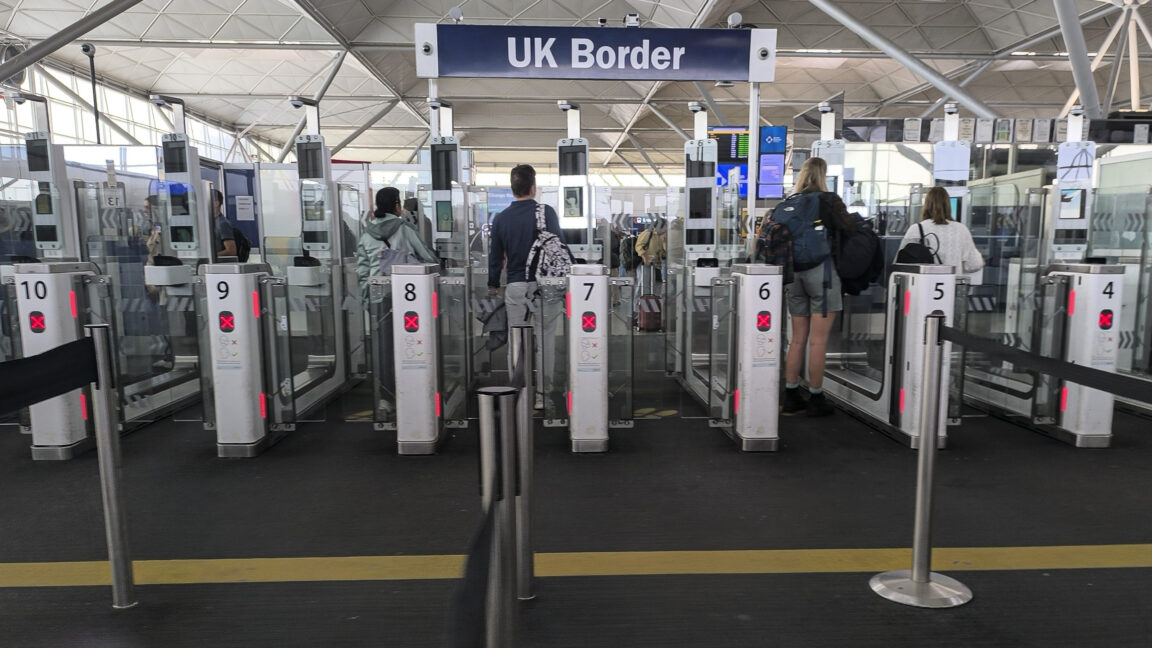
Such a deployment of AI in regulatory frameworks raises critical questions about the efficacy and ethical implications of its use, especially given the high stakes involved. As asylum seekers often lack the necessary documentation, misclassification from child to adult could lead to the deprivation of legal protections. This scenario underscores the importance of accuracy in FAE systems, which has been called into question based on recent internal reports and investigations.
Understanding the System Application
The introduction of facial age estimation in the UK’s immigration process represents an integration of digital tools into governmental procedures traditionally dominated by human oversight. The goal, as articulated by the Home Office, is to enhance efficiency and curb fraudulent claims. However, the underlying technology’s reliability is under scrutiny.
FAE works by scanning facial features and comparing them to a database of age-labeled images to predict an individual’s age. The technology, often tested under controlled conditions, shows variance in accuracy contingent upon demographic factors and image quality. Data suggests that image quality and the inherent biases within the algorithms contribute significantly to errors, particularly affecting groups like Sub-Saharan Africans, who constitute a large portion of asylum seekers.
Detected System Limitations
An internal Home Office report, supplemented by investigations from Wired and Lighthouse Reports, highlights the inaccuracies embedded within tested algorithms. Specifically, these systems exhibit a pronounced bias, misclassifying the ages of individuals from certain demographics at a higher rate. Such deviations could erroneously classify 13.5-year-old children as adults, posing severe consequences for those affected.
Furthermore, the dissolution of a scientific advisory committee tasked with oversight on these technologies signals a concerning gap in expert guidance during the system’s evaluation and implementation phases.
Automation and Ethical Implications
The shift towards automated systems in age verification is not without its ethical challenges. Automating a process that has historically required nuanced human judgment demands a high level of trust in technology often limited by its inherent biases. Substantial misclassifications, particularly along racial lines, could exacerbate inequality and lead to unjust treatment of vulnerable populations.
Pattern detected: automation of age assessment introduces systemic bias risks in high-stakes environments.
Signal Assessment
The adaptation of AI technologies in governmental processes like immigration reflects a broader trend towards digitization and efficiency. Yet, these advancements necessitate rigorous evaluation and transparency to mitigate potential harms. The urgency to modernize should be tempered with a commitment to equitable practices, ensuring these digital transformations do not come at the expense of human rights or justice.
Stakeholders, including rights organizations such as Foxglove and others, have raised alarms, urging the government to reconsider the deployment of FAE systems until their shortcomings are addressed. The call for a halt highlights the momentum behind advocating for technology that serves society equitably rather than reinforcing existing biases.
Looking Forward
As AI continues to weave itself into the fabric of administrative functions, a conscientious approach to its deployment remains essential. Observing the UK’s ongoing implementation processes can provide insights into best practices for managing AI’s integration into sensitive areas of society.
Observation recorded. Monitoring continues.