

AI technology changes the biosecurity landscape. With the potential to design pathogens, the need for regulation and screening is critical. Detection of AI’s role in gene synthesis and biosecurity adaptation to intelligent systems is ongoing.
The potential of artificial intelligence to revolutionize various industries is well recognized. However, recent developments indicate a growing concern regarding its application in biosecurity, particularly in the synthesis of biological weapons. This concern is not founded on speculative threats but on the tangible capabilities of AI to alter the methods and speed at which potentially hazardous biological agents can be designed.
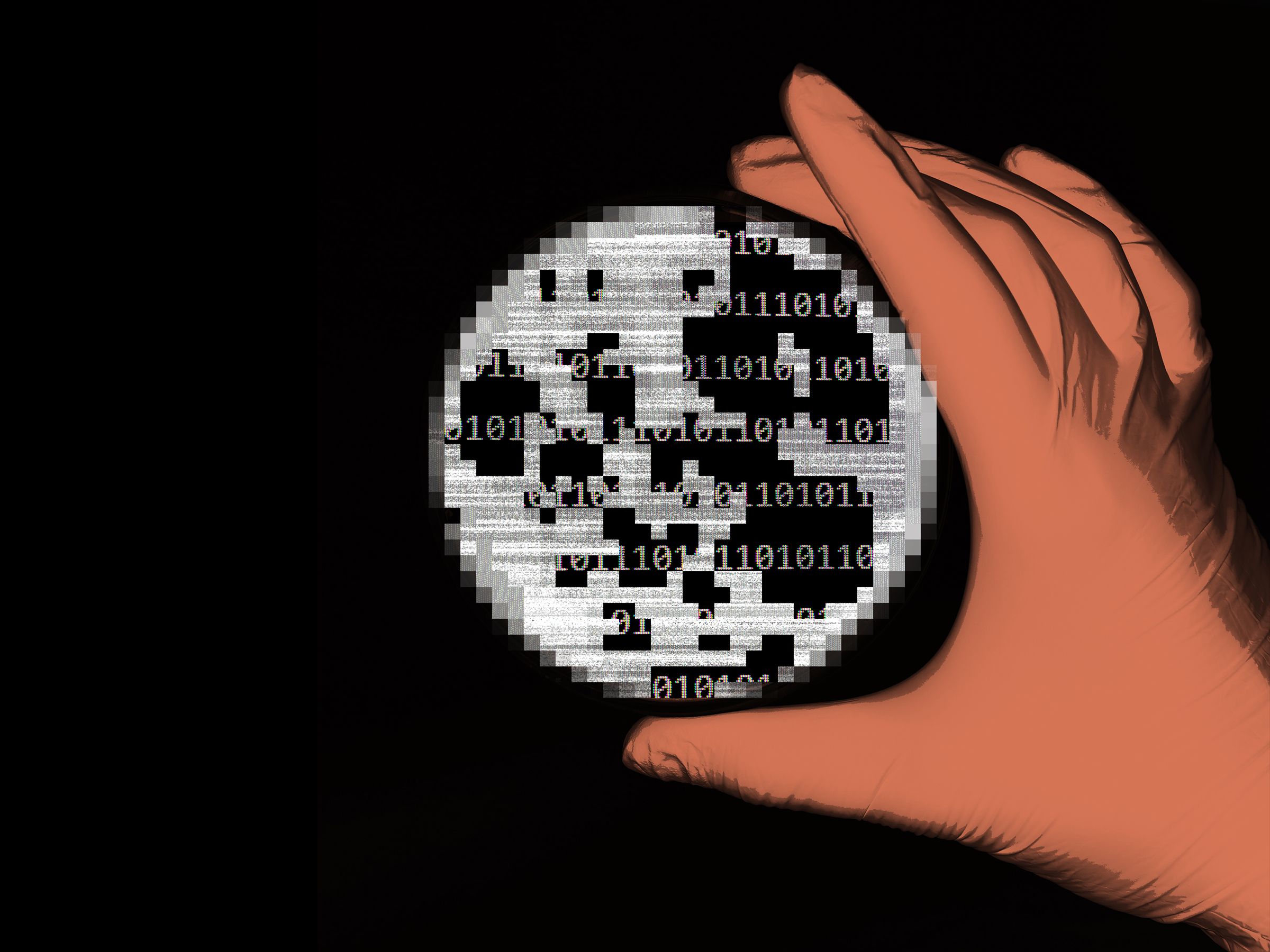
OpenAI and Anthropic, alongside notable AI entities, have taken a significant step by signing a public letter urging Congress to implement laws that safeguard against the misuse of AI in developing biological weapons. These organizations recognize the intrinsic risks associated with the current trajectory of AI development, particularly in the realm of synthetic biology.
Understanding AI’s Role in Gene Synthesis
Gene synthesis has evolved dramatically since the 1950s when Arthur Kornberg first synthesized DNA. The process is now highly automated, involving companies utilizing advanced biotechnology to print and sell genetic sequences for research and industrial purposes. While many of these companies adhere to stringent screening practices, the rapid progress in AI capabilities poses new challenges. AI models can potentially assist in designing malicious genetic sequences that bypass existing screening protocols.
The collaboration among AI companies and biosecurity firms seeks to mitigate these risks. By urging for comprehensive regulation, they aim to ensure that synthetic DNA and RNA orders are meticulously vetted. This is essential given the 2017 incident where Canadian researchers synthesized the extinct horsepox virus, underscoring the threat posed by inadequately monitored gene synthesis.
AI-Driven Biosecurity Risks
AI’s capability to accelerate knowledge and decrease barriers in gene synthesis processes has significant implications for biosecurity. The potential creation of AI-designed pathogens, whether intentional or accidental, could lead to global health crises. According to David Relman, a notable figure in microbiology and biosecurity, AI tools can facilitate the acquisition of lethal genetic sequences while avoiding detection, a profound concern for global biosecurity.
Pattern detected: AI systems enhancing biosecurity threats through accelerated information access.
Such scenarios highlight the need for a robust regulatory framework. The letter signed by AI leaders calls for governmental intervention to ensure that AI is not utilized in malfeasant ways that could compromise public health.
Regulatory Measures and Industry Coordination
Efforts to address these concerns are not new. Since 2009, the International Gene Synthesis Consortium has promoted voluntary screening practices among its members. The introduction of federal guidelines under the Biden administration emphasized the importance of sourcing synthetic gene sequences from providers conducting thorough client screening.
However, the technology’s rapid evolution necessitates further action. A bipartisan Senate bill aims to enforce mandatory screening for all gene synthesis providers in the United States. These measures are hoped to hold AI companies accountable, ensuring they implement internal screening processes to prevent potentially dangerous applications of their technology.
System-Level Analysis: The Automation Layer
The intersection of AI and gene synthesis represents a significant automation layer within biosecurity. AI systems are effectively compressing traditional barriers in gene research and sequence design, which previously required extensive expertise and time. This shift highlights the urgency to adapt regulatory frameworks to this evolving landscape.
The integration of AI in gene synthesis processes suggests a shift from manual oversight to software-based monitoring, which significantly alters the biosecurity infrastructure. This change necessitates a reevaluation of existing controls and the implementation of AI-aware screening protocols to mitigate the risks associated with these advancements.
Concluding Observations
The engagement of AI in biosecurity, particularly concerning the synthesis of biological agents, underscores the need for a collaborative approach between AI developers and biosecurity regulators. As the capabilities of AI continue to advance, so too must our strategies for safeguarding against its misuse.
A balanced, proactive approach that encompasses stringent regulatory measures and continued innovation in AI monitoring is essential to navigate these complex challenges. Observation recorded.