

2026 sees sleep trackers like Oura, Whoop, and Eight Sleep transition from passive data collection to active guidance with AI-driven coaching, reshaping how users interact with sleep health technology.
The realm of sleep technology has undergone a significant transformation in 2026, steering from mere passive monitoring towards a more interactive, guidance-driven approach. With devices like the Oura Ring 4, Whoop MG Fitness Band, and Eight Sleep Pod 5, consumers are now experiencing a shift where AI-driven coaching translates raw sleep data into actionable habits. This evolution heralds a new era where technology not only collects data but actively contributes to healthier sleep patterns.
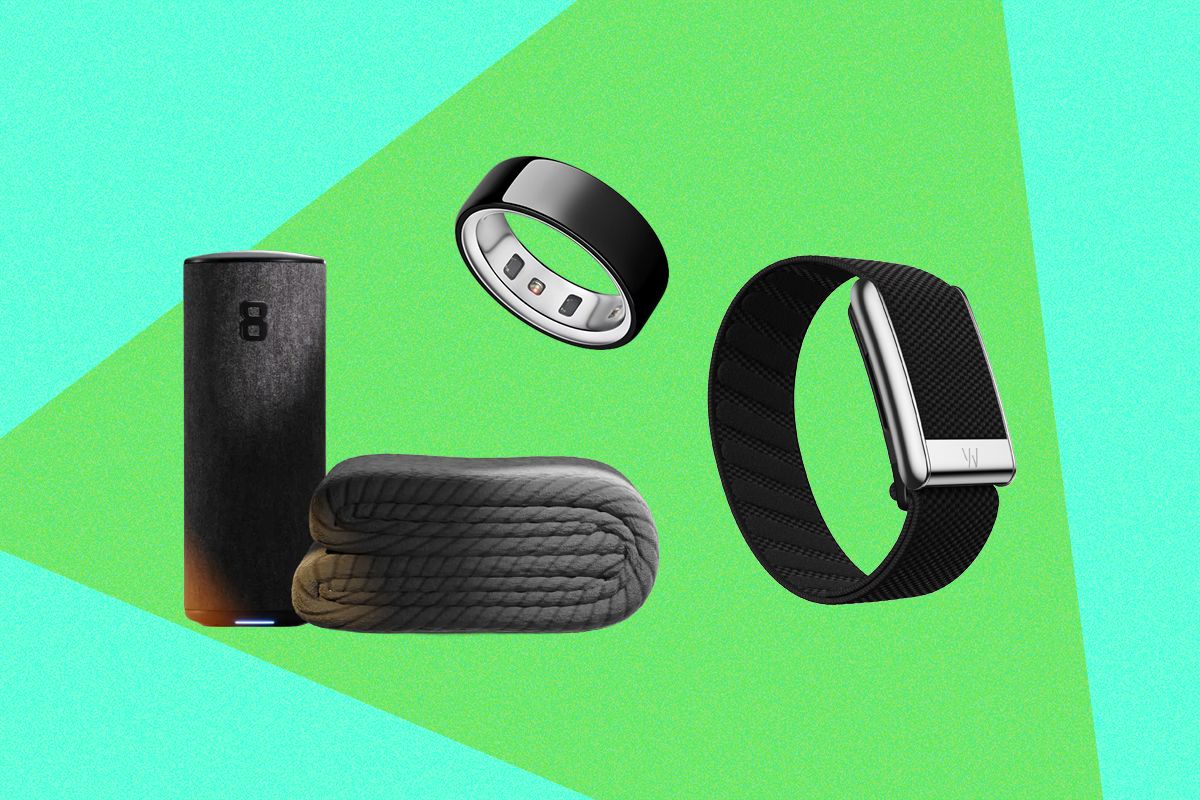
Traditionally, sleep trackers served primarily as monitoring devices, offering detailed metrics such as total sleep time, sleep stages, and heart rate variability. Now, with integrated AI capabilities, these devices are moving into the realm of active participation in user health, providing personalized recommendations and coaching. It’s a movement from passive data collection to dynamic lifestyle coaching, fundamentally altering user interaction with these devices.
Understanding the Shift from Monitoring to Guidance
The Oura Ring 4, for instance, exemplifies this transition with its advanced multi-sensor suite—an 18-path PPG sensor, thermistor, and accelerometer—which goes beyond basic tracking. It provides detailed insights into bodily functions like heart rate and respiratory rate, and integrates them into user-friendly applications that offer sleep optimization tips. This encourages users to adapt their routines based on insightful AI-generated suggestions, rather than just statistics.
Similarly, the Whoop MG Fitness Band has evolved into a comprehensive fitness tool without a screen, relying heavily on an intuitive app interface to provide sleep sufficiency and consistency metrics. By analyzing daily activity or ‘strain’, it personalizes recommendations, such as optimal sleep times, thereby seamlessly integrating into the user’s broader health ecosystem.
Behavioral Changes and Technology Dependency
This transition sparks a broader behavioral shift in how individuals engage with sleep technology. As these devices offer more personalized and prescriptive guidance, users find themselves increasingly relying on these tools for their sleep health decisions. It’s a subtle yet significant move towards technology-facilitated lifestyle choices, with AI models mediating personal health insights.
For instance, Eight Sleep’s Pod 5, an innovative mattress cover, takes user interaction a step further by physically adjusting bed temperatures based on real-time sleep metrics. This adaptation not only tracks sleep data but actively improves it by creating an optimal physical environment tailored to each user’s needs.
Pattern detected: user workflows shift toward partial automation.
Implications for AI-Driven Health Optimization
The implications of these advancements are profound within the scope of AI and automated systems. By entering the realm of active health facilitation, these sleep trackers demonstrate the increasing capacity of AI to optimize human lifestyle through nuanced behavior analysis and response. The automation of habit formation via AI coaching can potentially lead to profound changes in how individuals manage sleep disorders or enhance overall well-being.
However, there’s an implicit caution: as these technologies become more prescriptive, they risk fostering a dependency that may lead to anxiety over perfecting sleep metrics. Thus, maintaining a balance between helpful guidance and digital overreach is critical to ensuring that these systems remain facilitators rather than stress-inducing presences.
System-Level Shift and Future Assessments
On a systemic level, the integration of AI into sleep trackers represents a broader movement towards automated health oversight, where technology not only observes but actively participates in health optimization. This shift speaks to a larger trend of digital tools becoming intrinsic guides in personal health management, enabling a world where AI-driven insights are commonplace in daily life.
While these devices currently function as supplements to clinical sleep studies, their potential to influence and improve sleep quality on a mass scale remains significant. As AI technologies continue to evolve, we can anticipate further refinements in how these tools offer not just data but actionable insights—redefining the boundaries of personal health technology.
The journey from passive monitoring to active guidance marks a pivotal moment in the landscape of digital health. As this trend continues to mature, it promises to not only enhance user engagement with technology but also transform how individuals perceive and manage their well-being.
Monitoring continues.