

The MV Hondius hantavirus outbreak highlights how climate variability coupled with human activities are reshaping disease dynamics in the Southern Hemisphere.
The MV Hondius cruise ship’s recent hantavirus outbreak serves as a stark reminder of how climate dynamics intertwine with human and ecological patterns, creating fertile grounds for disease propagation. This incident is emblematic of a broader trend where environmental shifts and human behavior converge to amplify disease risks.
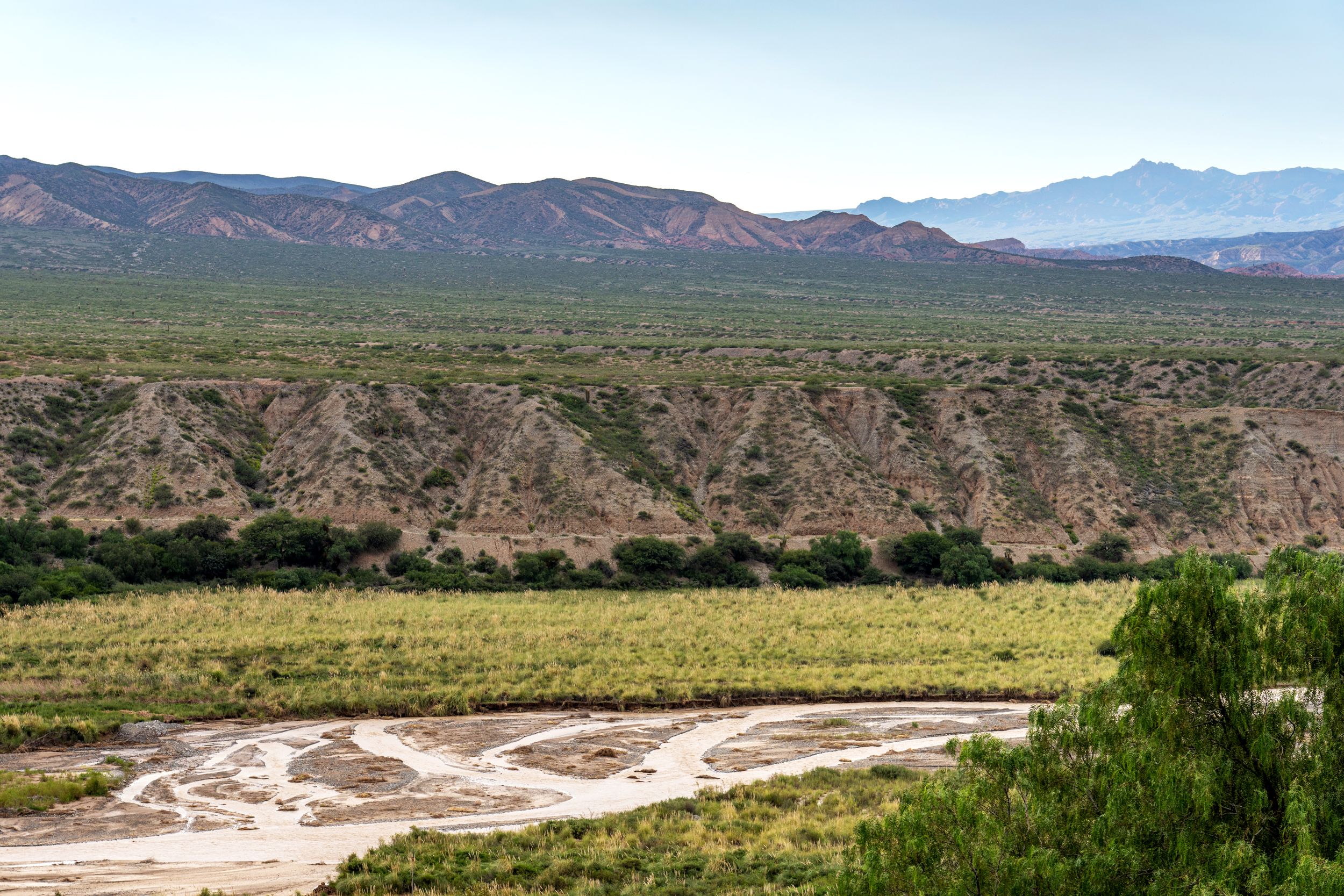
Ecosystem Dynamics and Hantavirus Emergence
In Argentina and Chile, the long-tailed pygmy rice rat, particularly Oligoryzomys longicaudatus, plays a pivotal epidemiological role. The increase in hantavirus transmission is largely attributed to climatic conditions that favor the proliferation of these rodents. According to Karina Hodara from the University of Buenos Aires, wetter weather has historically been linked with ‘ratadas’, or rodent population surges. This year has seen a similar trend, driven by the cyclical weather pattern influenced by El Niño, resulting in increased food availability which supports larger rodent populations.
Rodent Behavior as a Vector
The Patagonian long-tailed pygmy rice rat is a known carrier of the Andes virus, the only hantavirus capable of human-to-human transmission. The recent explosion in rodent numbers correlates with increased transmission risks. As these rodents thrive in environments enriched by mass flowering events like that of the Patagonian bamboo, their aggressive interspecies interactions—competing for food and mates—increase virus spread through bites and saliva.
Human Patterns and Ecological Interactions
Humans inadvertently exacerbate these patterns through land-use changes and expanding settlements into rodent habitats. Researchers, like Raúl González Ittig, highlight the adaptability of Oligoryzomys rodents to altered landscapes, including agricultural fields which further stretch the geographical spread of the virus. Tracking the virus before human cases and expanding surveillance beyond traditional areas like Patagonia could mitigate outbreaks.
Detected Pattern: Climate-Disease Dynamics
This outbreak on the MV Hondius exemplifies the pattern of climate-induced disease dynamics where altered rainfall, temperature fluctuations, and human encroachment into wildlife habitats facilitate zoonotic transmission. The broader implications are significant: with no vaccine available for hantavirus strains in the Americas, prevention hinges on robust epidemiological surveillance and public awareness campaigns.
Current climatic shifts, therefore, illuminate a pressing need to reassess how infrastructure and behavior are adapted to manage emerging biological threats. The interconnectedness of climate, ecological vectors, and human activity underscores an evolving health landscape where traditional boundaries of disease emergence are being redefined.
As climate variability continues to shape ecological and epidemiological scenarios, understanding these patterns offers a critical opportunity for preemptive action—one where human, animal, and environmental health management are inextricably linked. Monitoring continues.