
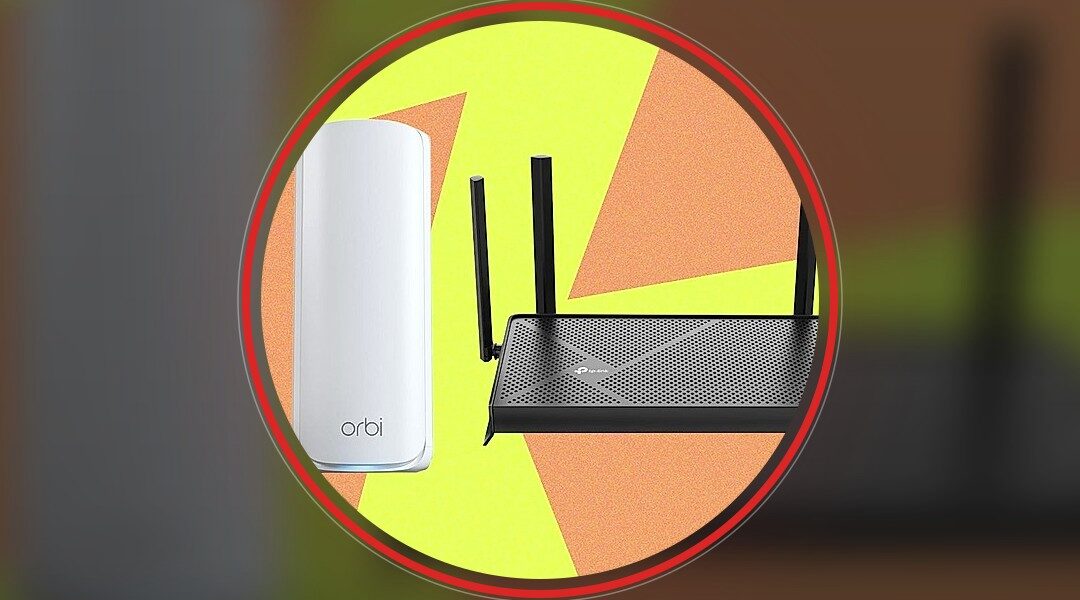
Exploring the advancements in Wi-Fi routers, their impact on connectivity, and what the latest models offer.
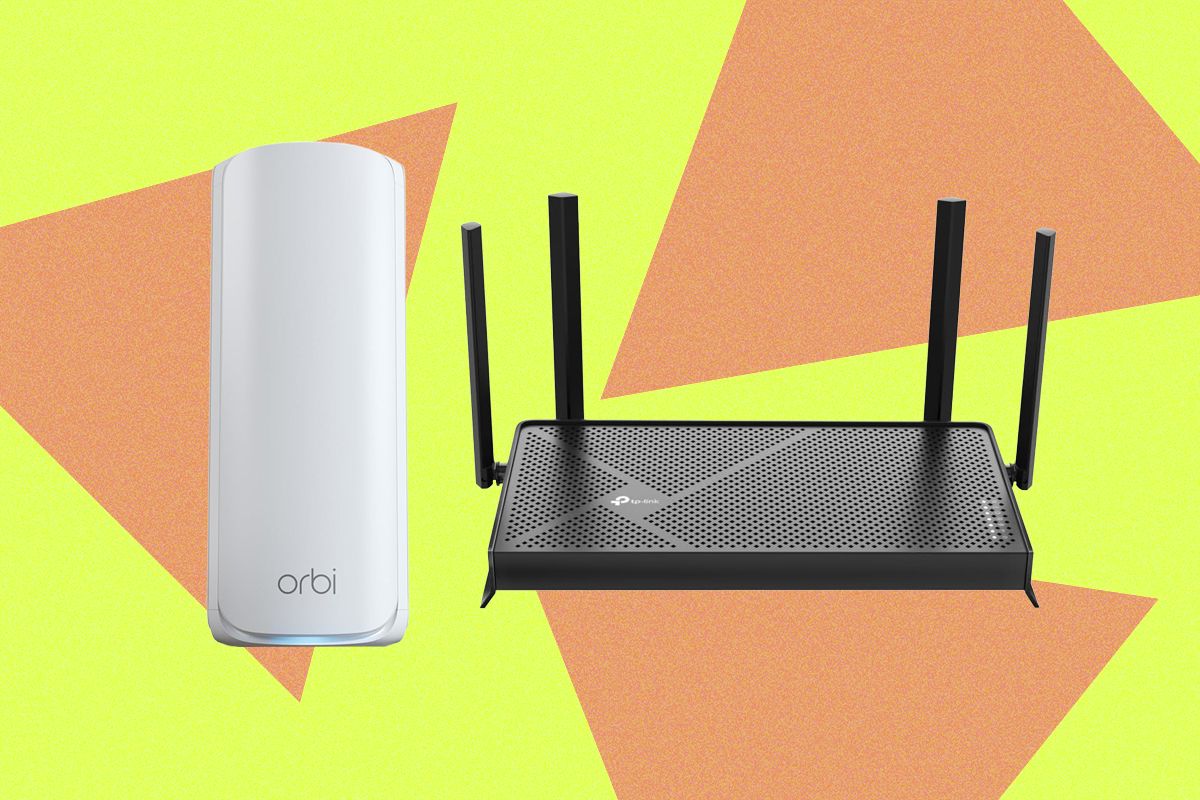
The evolution of Wi-Fi routers is a topic that stays perpetually relevant as technology continues to push the boundaries of connectivity. With the release of new models, understanding their potential impact on home networks becomes essential. The recent roundup of Wi-Fi routers by WIRED offers an insightful glimpse into what consumers can expect.
Advancement in Technology
Featuring prominently in the list is the Asus RT-BE58U, touted as the best option for most people. This model brings dual-band connectivity without the 6-GHz band, a detail that might concern those seeking the highest speeds and bandwidth. However, it compensates with Wi-Fi 7 capabilities, ensuring enhanced network security, multi-link operation (MLO), and 160 MHz channels, offering a comprehensive upgrade over previous generations.
Infrastructure Shift
New router models like the Asus RT-BE96U indicate a significant infrastructure shift. This tri-band router supports 6-GHz bands, providing lightning-fast speeds crucial for high-demand internet activities like gaming and streaming. Such advancements reflect a broader trend where home infrastructure increasingly relies on sophisticated technology to meet evolving user demands.
Automation Layer
The new routers exemplify the automation layer by simplifying user experience through easy setup and maintenance. Most routers now incorporate apps for straightforward installation and management. The Asus routers, for example, include network security and parental controls without the often-dreaded subscription fees, leaning towards a user-friendly approach.
Security Considerations
Security is a paramount concern with these advancements. The ongoing investigations into TP-Link by U.S. authorities underline the vulnerabilities presented by foreign-made routers. These investigations, driven by allegations of undue access by foreign governments, highlight the critical need for trusted infrastructure in home networks. Meanwhile, routers like those from Asus offer robust security features as part of the purchase, signifying a shift towards comprehensive safety without extra costs.
Human Adaptation
As technology advances, so does human adaptation. The role of routers has expanded beyond mere internet delivery devices; they are now pivotal in smart homes, providing the backbone for interconnected devices. Users must adjust to new capabilities, such as setting up mesh networks or utilizing advanced parental controls. This adaptation signifies a broader trend of integrating intelligent technology into everyday life.
Signal Assessment
The introduction of these new router models marks a palpable shift in how we perceive and utilize home networks. With enhanced speeds, better security, and ease of use, they cater to a tech-savvy audience ready to embrace the future of connectivity. Yet, as infrastructure evolves, so must our understanding and vigilance concerning security and data privacy.
Monitoring continues.