
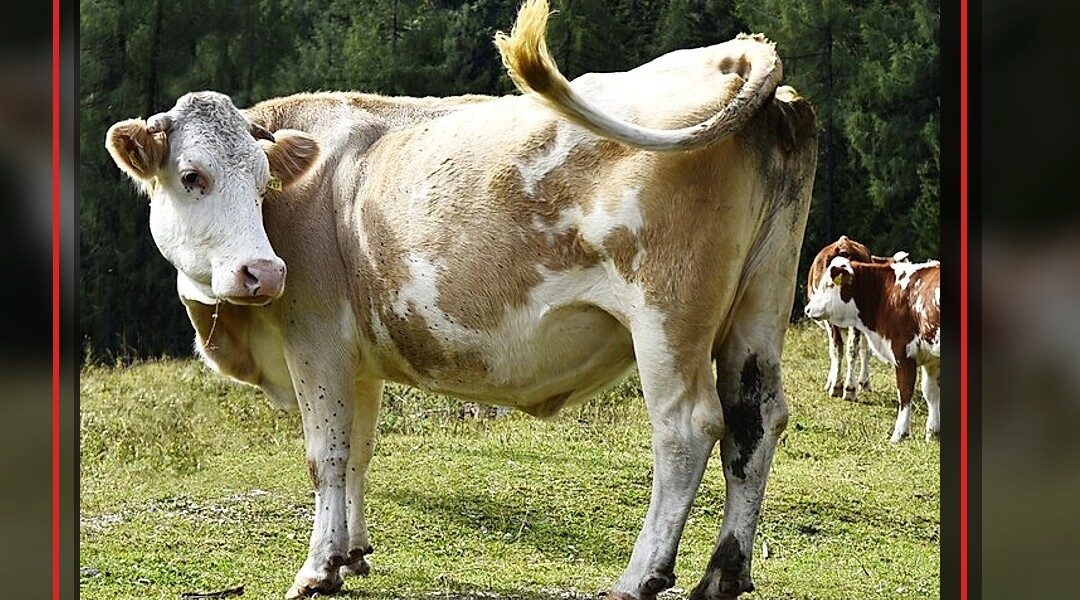
In 2021, a study showed cows could be toilet-trained, potentially reducing farm pollution. A step toward efficient agricultural practices.
The notion of teaching cows to use the toilet might sound like a scene from an absurd comedy, yet in 2021, researchers from Germany and New Zealand embarked on this unconventional experiment. Within ten days, they witnessed results that not only challenged preconceived notions about bovine intelligence but also opened up unexpected avenues for reducing farm pollution.
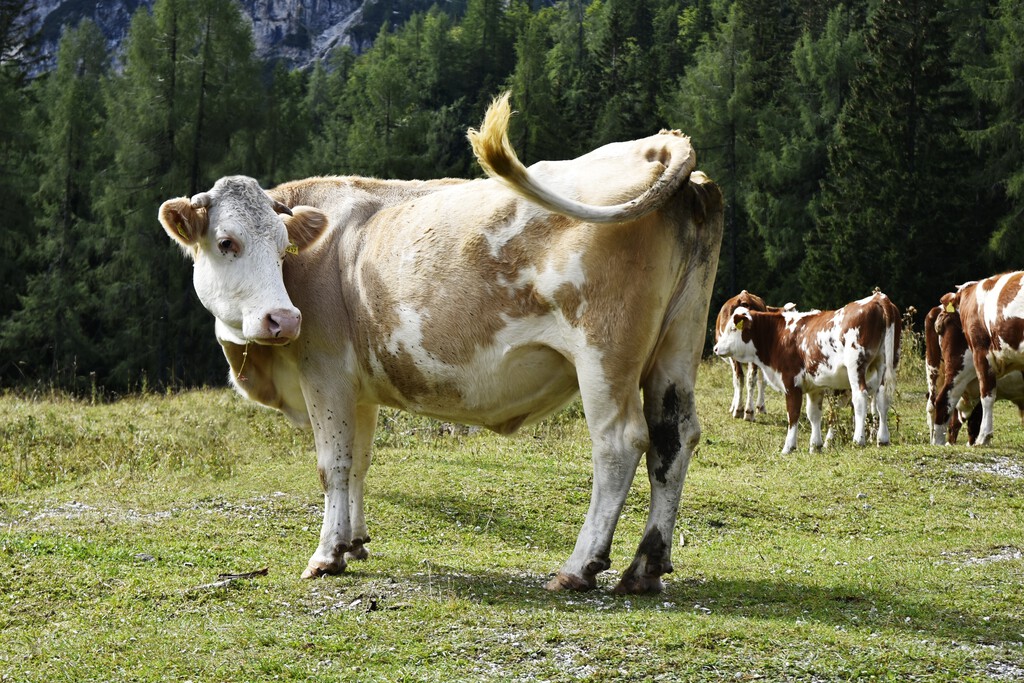
Traditionally, it was believed that cattle lacked control over their urination behavior, unlike dogs or other domesticated animals. However, Jan Langbein, an animal psychologist at the Leibniz Institute for Farm Animal Biology, questioned this assumption. Alongside New Zealand’s University of Auckland researchers, they devised a method to test if cows could learn bladder control. Their findings were published in the prestigious journal, Current Biology, on September 13, 2021.
The MooLoo Experiment
The research team developed a special area named MooLoo, covered in artificial grass. It served as the designated toilet for cows undergoing training. Sixteen calves received daily 45-minute training sessions. Positive reinforcement, such as sweetened drinks or crushed barley, was provided whenever the calves successfully urinated in the designated area. Conversely, if they urinated elsewhere, a brief spray of water acted as mild negative reinforcement. Initial tests with unpleasant sounds proved ineffective, showcasing the importance of discerning stimuli in animal training.
Ten Days to a Breakthrough
The true revelation came as the calves began to anticipate their need to urinate and voluntarily moved to the MooLoo. Within ten days, 11 out of 16 calves mastered this behavior, achieving an accuracy rate of near 77% among those completing the training. This learning curve paralleled toilet training in young children, highlighting bovine potential for behavioral adaptation.
Environmental Implications
Beyond showcasing animal intelligence, the experiment’s ultimate goal was to address agricultural pollution. Cows produce significant amounts of urine daily, contributing to environmental issues when mixed with manure. This mixture releases ammonia, impacting air quality and ecosystem health. Furthermore, nitrogen from the urine can transform into nitrous oxide, a potent greenhouse gas, or contaminate soils and water.
By collecting the urine separately, researchers propose that emissions could be cut by over 50%, according to their estimates. This approach not only mitigates environmental harm but also allows recovery of valuable nutrients like nitrogen and phosphorus for use in fertilizers.
Scaling Challenges and Automation Needs
While successful in a controlled setting, scaling this technique to industrial farms poses significant challenges. With numerous cows, manual supervision of each toilet visit is impractical. The solution lies in automation, with systems potentially using sensors to detect appropriate urination and dispense rewards autonomously, minimizing human intervention.
Detected Pattern: Human Adaptation
This study signifies a broader pattern of human adaptation and understanding of intelligent behaviors in animals. By leveraging insights from this research, agricultural practices can evolve, incorporating more sophisticated behavioral management technologies.
The implications extend beyond cows, encouraging reconsideration of animal capabilities and fostering innovative solutions to environmental challenges. As automation technologies advance, integrating these behavioral insights could transform agriculture into a more sustainable sector.
The success of this endeavor serves as a stark reminder that innovation often begins with questioning established norms. By recognizing and adapting to animal intelligence, we pave the way for a future where ecological impacts are minimized. Monitoring continues.