

Spanish rental crisis forces the youth into cramped living conditions, sacrificing communal spaces for affordability. A growing trend with significant implications.
In Spain, a new layer of the rental crisis is emerging. Young tenants find themselves squeezed into compromised living arrangements, driven by the relentless demand for urban housing. A landscape once defined by the simple comfort of shared spaces like living rooms and terraces is now shifting.
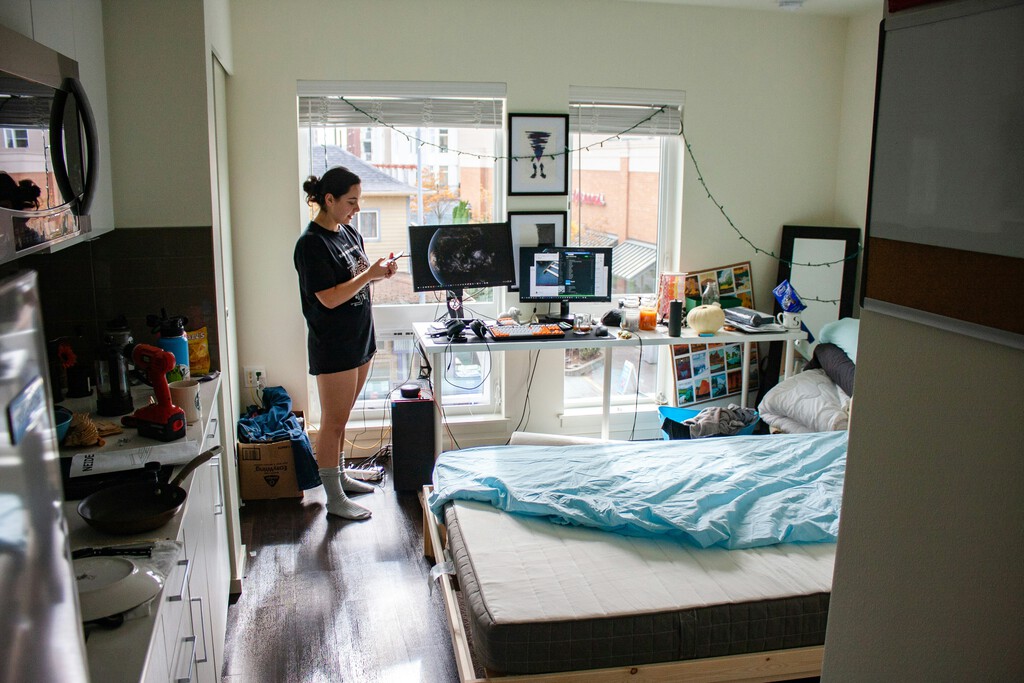
With increasing regularity, landlords are repurposing communal areas into additional rental bedrooms, a tactic aimed at maximizing their returns. This practice, though not entirely new, is growing more prevalent amidst Spain’s mounting housing crisis.
The Loss of Communal Spaces
Hilal, a 21-year-old Austrian studying in Málaga, stands as a testament to this trend. Paying €450 monthly, she resides in what was once a living room, now converted into her personal space. Meanwhile, her roommates enjoy slightly cheaper rent for the former bedrooms. This restructuring is no isolated incident; it’s a microcosm of a much larger issue.
The government has noticed. Recent legislative efforts aim to curb these conversions by enforcing rental price regulations. Officials propose that rent from individual rooms should not exceed what would have been charged for the entire apartment, underlining their concern about the erosion of living standards in ‘tensioned’ residential markets.
Urban Density and Economic Pressure
Spain is not alone in experiencing the pressures of urban density. Major European cities face similar challenges. But the Spanish situation is exacerbated by a combination of high demand and limited housing supply, driving prices up and forcing renters into smaller spaces. The approach: maximize the functional utility of every square meter to accommodate more tenants.
The strategy is simple: less shared space equals more bedrooms, which equals higher rental income. While economically sound for property owners, this philosophy carries significant social repercussions.
For tenants like Alba, who initially believed she could adapt to life without a living room, the reality proved starkly different. ‘With a living room, you interact more with your roommates,’ she reflects. The absence of a communal hub means retreating to individual rooms, diminishing the social fabric of shared living.
Implications for the Youth
The crisis particularly impacts young people, who are disproportionately affected by rental market volatility. The Eurostat figures underline the seriousness of the issue: Spain’s youth face the highest rates of residential overcrowding, second only to a handful of Eastern European nations.
This trend not only reflects broader economic pressures but also signals a shift in how living spaces are valued and utilized. The youth, already burdened by economic instability and employment precarity, now navigate a housing market that prioritizes profit over livability.
Detected Pattern: Urban Density Optimization
The ongoing shift in Spain’s rental market reveals a clear pattern of urban density optimization. By transforming shared spaces into individual units, landlords effectively compress the living environment. This strategy enhances the financial yield of properties but at the cost of communal engagement and quality of life.
This pattern is characterized by a distinct trade-off: spatial efficiency versus social connectivity. As tenants adapt to these constrained environments, their behavior shifts towards more isolated living, impacting social interactions and potentially fostering a higher sense of urban alienation.
The rental crisis in Spain offers a compelling case study of urban adaptation amid economic pressures. As landlords continue to prioritize spatial efficiency, the social dynamics of urban living remain in flux. Observation recorded.