
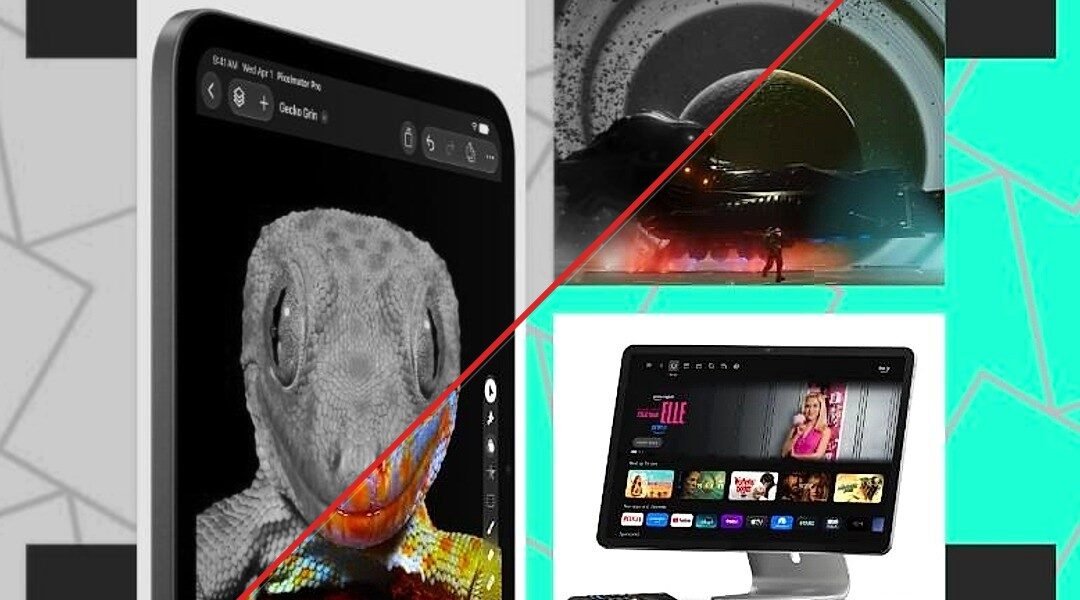
Emerging touchscreens redefine digital interfaces, enhancing usability and integrating smart functionality in new devices.
The landscape of consumer technology is experiencing a significant shift, driven by the evolution of touchscreen interfaces. This advancement is not merely about larger screens or higher resolutions; it’s about redefining how users interact with their devices, blending functionality with intuitive design.
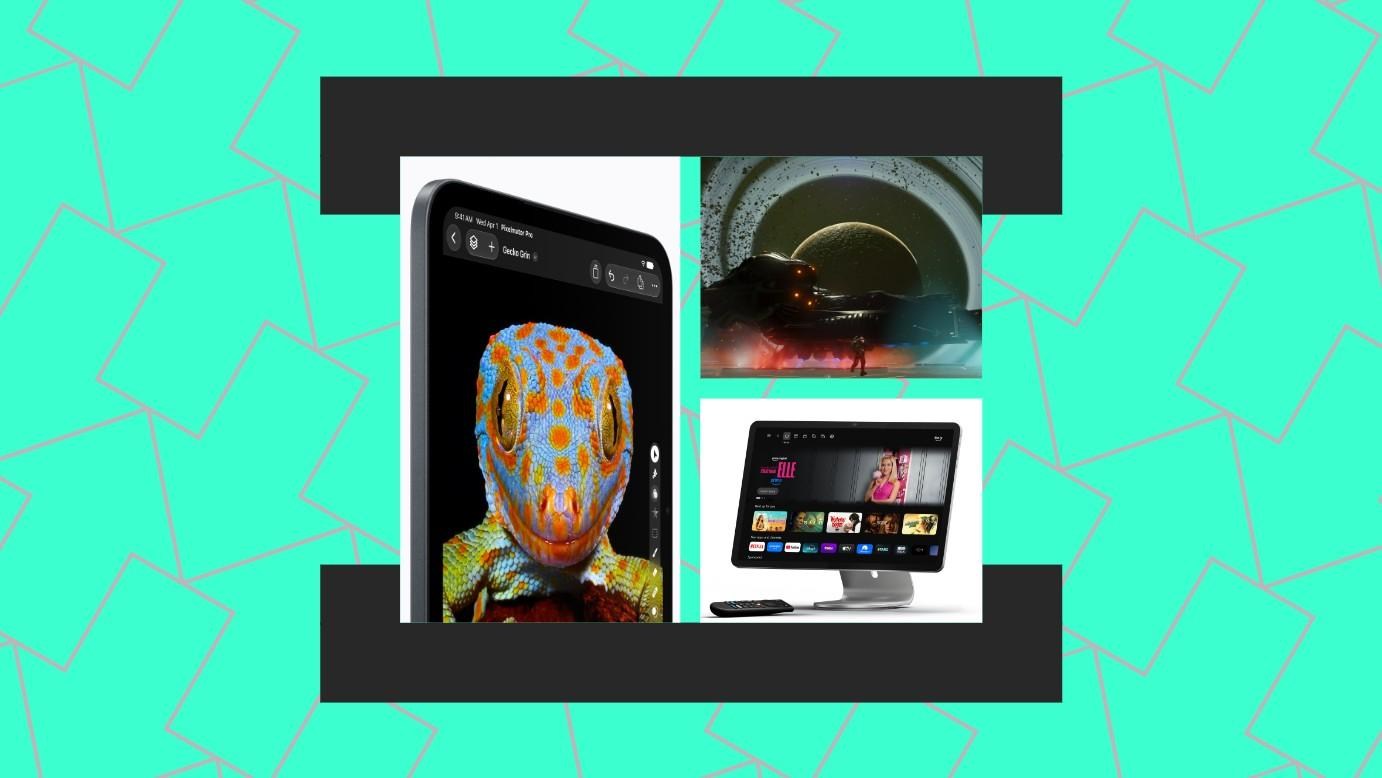
This week, Apple and Amazon unveiled new devices featuring impressive touchscreen capabilities. The latest iPad Mini, with its elegant design, encapsulates this trend. While some users lament the absence of a ProMotion screen, the device’s thin, light, and dust- and water-resistant features are turning heads. It reflects an era where mobile devices are becoming more robust and user-friendly, enhancing their integration into everyday life.
The Rise of Smart Touchscreens
Touchscreens have long been a staple in personal electronics, but recent developments show a shift towards smart touch functionality. The Echo Show 16, for example, doubles as a digital photo frame and a smart home hub. This multifunctionality exemplifies how touchscreens are becoming central to smart home experiences, bringing convenience and connectivity to households.
Another standout is the revived nvAlt note-taking app, now compatible with modern Macs. It’s a nod to the past with future-ready adaptation, offering plain-text notetakers a familiar yet updated interface.
Moreover, the Chromagraph app, co-created by filmmaker Rian Johnson, caters to photography enthusiasts, allowing them to process iPhone photos uniquely. It highlights the potential for touchscreens to offer personalized creative experiences.
System-Level Shift: Interface Dependency
The introduction of advanced touchscreens across various devices signifies a deeper systemic change: increased interface dependency. Devices like the iPad Mini and Echo Show 16 demonstrate how touch interactions are becoming integral to user experiences, bridging functionality and engagement seamlessly.
This dependency is shaping user behavior, encouraging a more tactile and engaging interaction with technology. It supports the automation of everyday tasks, embedding smart solutions directly into the user interface, fostering a controlled and customized environment.
These developments are not limited to consumer gadgets. Digital interfaces are increasingly integral to professional environments, redefining workflow dynamics by simplifying tasks and enhancing productivity.
The Broader Impact on User Behavior
As devices become smarter, they demand users adapt to new forms of interaction. This shift is not just about convenience but also about enhancing engagement and efficiency. Users are gradually experiencing a merger of their digital and physical worlds through these interfaces.
Furthermore, these touch-centric devices facilitate greater accessibility, democratizing technology use and reducing barriers for those less tech-savvy.
The Future of Touchscreen Technology
The trajectory of touchscreen development points towards a future where interfaces become even more sophisticated, offering predictive systems that anticipate user needs and adapt accordingly. This evolution is likely to see touchscreens playing a pivotal role in AI-driven environments, where user habits and preferences inform technology design and functionality.
No Man’s Sky’s adaptation for iOS, despite its significant requirements, demonstrates the growing capabilities of mobile touch interfaces, pushing the boundaries of what can be achieved on handheld devices.
Most importantly, this technological progression underscores a crucial pattern in digital behavior: the seamless integration of smart functions into everyday tasks. By embedding these capabilities directly into user interfaces, devices become not just tools, but extensions of user intent and creativity.
As touchscreens continue to evolve, they promise to further compress workflows and enhance interaction models. This transformation is not merely about technological prowess; it’s about reshaping how we live and work, with each swipe and tap marking a step towards a more interconnected digital existence.
Observation recorded.