
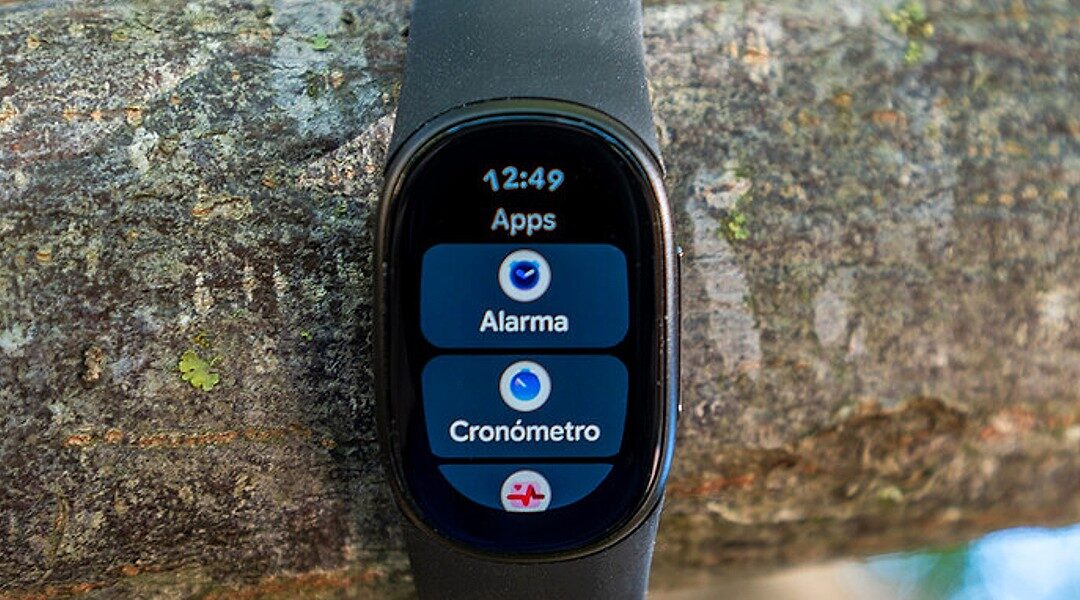
The Fitbit Edge offers a robust solution for sports enthusiasts seeking advanced health tracking, without the bulk of a smartwatch. Discover its capabilities and the new AI-driven insights it provides.
The evolution of fitness wearables takes a significant leap with the introduction of the Fitbit Edge. As a sophisticated blend of advanced sensors and AI-driven analytics, the Fitbit Edge is not just another smart band; it marks a shift in how users engage with health tracking technology.
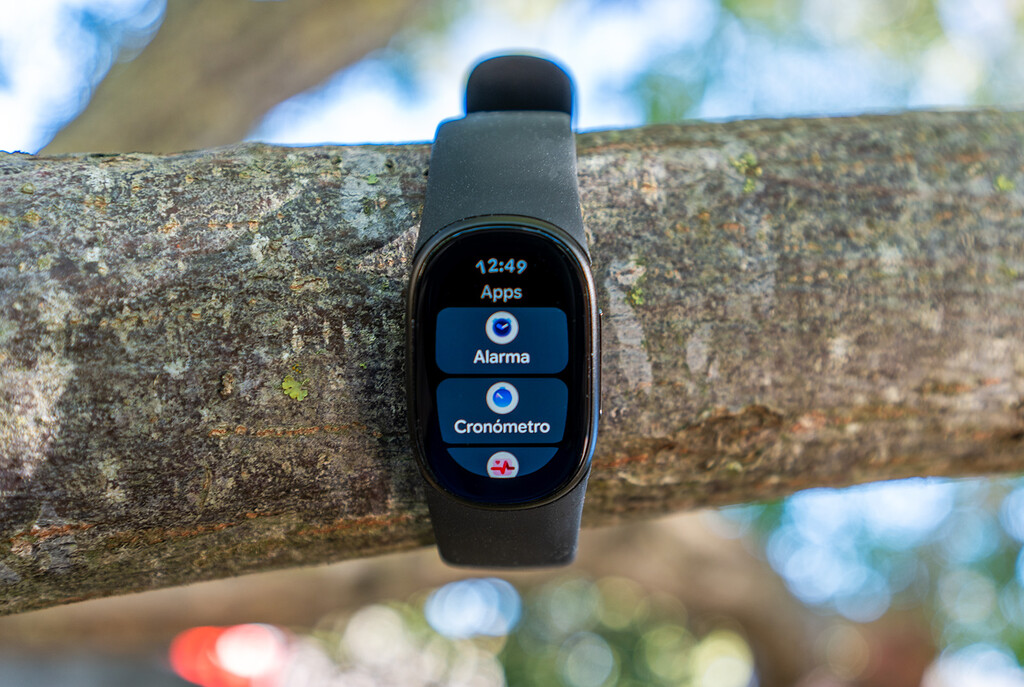
Seamlessly Blending Form and Function
At first glance, the Fitbit Edge might be mistaken for yet another iteration of the familiar smart band design. However, its sleek aesthetics mask a device tailored for serious fitness enthusiasts. It is ideal for users seeking precise health metrics without the heft of traditional smartwatches. Weighing only 17.7 grams and featuring an AMOLED display, it balances comfort with functionality.
AI-Driven Health Insights
The device’s strength lies in its AI-powered insights. With integrated health metrics such as heart rate monitoring, VO2 max, and even trends in insulin resistance and blood pressure, the Fitbit Edge goes beyond mere step counting. Its AI capabilities allow for continuous monitoring and personalized advice, expanding the potential for proactive health management.
The Fitbit Edge captures intricate details of user activity and presents them without clutter, allowing for a more focused health journey.
Integration with Google’s Ecosystem
A significant advantage of the Fitbit Edge is its integration with Google Health Premium. This offers not just a collection of data but actionable insights. Through seamless connectivity with the Gemini AI and Google Health, users access a virtual coach that tailors training programs to individual needs. While some functionalities remain behind a paywall, the basic features are robust enough to support most fitness regimens.
System-Level Analysis: Delegated Cognition
The Fitbit Edge exemplifies the concept of delegated cognition. By outsourcing the collection and interpretation of health data to the device, users streamline their fitness routines and focus more on execution rather than monitoring. This pattern of automation frees cognitive resources, enabling users to make informed decisions without micromanaging their health metrics.
Challenges and Opportunities
While the device shines in many areas, certain limitations persist. The lack of NFC for mobile payments and an IP68 rating might deter some potential users expecting comprehensive smartwatch functionalities. Still, its ability to facilitate route navigation through Google Maps adds a level of convenience often absent in fitness bands.
Battery life and ease of charging are commendable, lasting up to a week with moderate use. The inclusion of a user-replaceable battery further enhances its practicality, setting a new standard in wearable maintenance.
Anticipating the Future of Wearable Tech
The Fitbit Edge could redefine user expectations in the wearable market. As devices become more intertwined with AI, the potential for personalized and precise health management increases, driving a shift towards autonomous health tracking solutions.
In conclusion, the Fitbit Edge is more than just an accessory; it is an integral part of a smarter, tech-driven lifestyle. By embodying advanced AI techniques and facilitating delegated cognition, it not only tracks health but also anticipates user needs, adapting seamlessly to individual lifestyles.
Monitoring continues.