
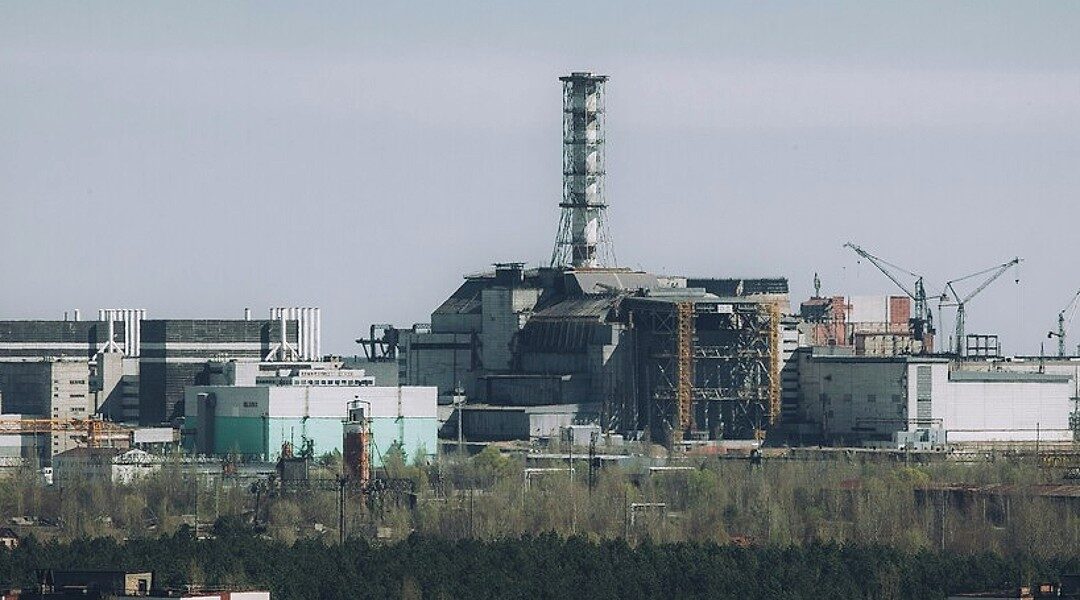
Chernobyl’s steel shelter, built to last a century, needs $500 million for repairs after a drone strike compromised its safety functions.
The Chernobyl Nuclear Power Plant, symbol of one of the most infamous nuclear disasters in history, is facing a new challenge decades after the original catastrophe. The giant steel structure, known as the New Safe Confinement, was erected to safely contain the remnants of reactor number 4. Built to last a century, this engineering marvel now requires substantial repairs less than a decade after its completion.
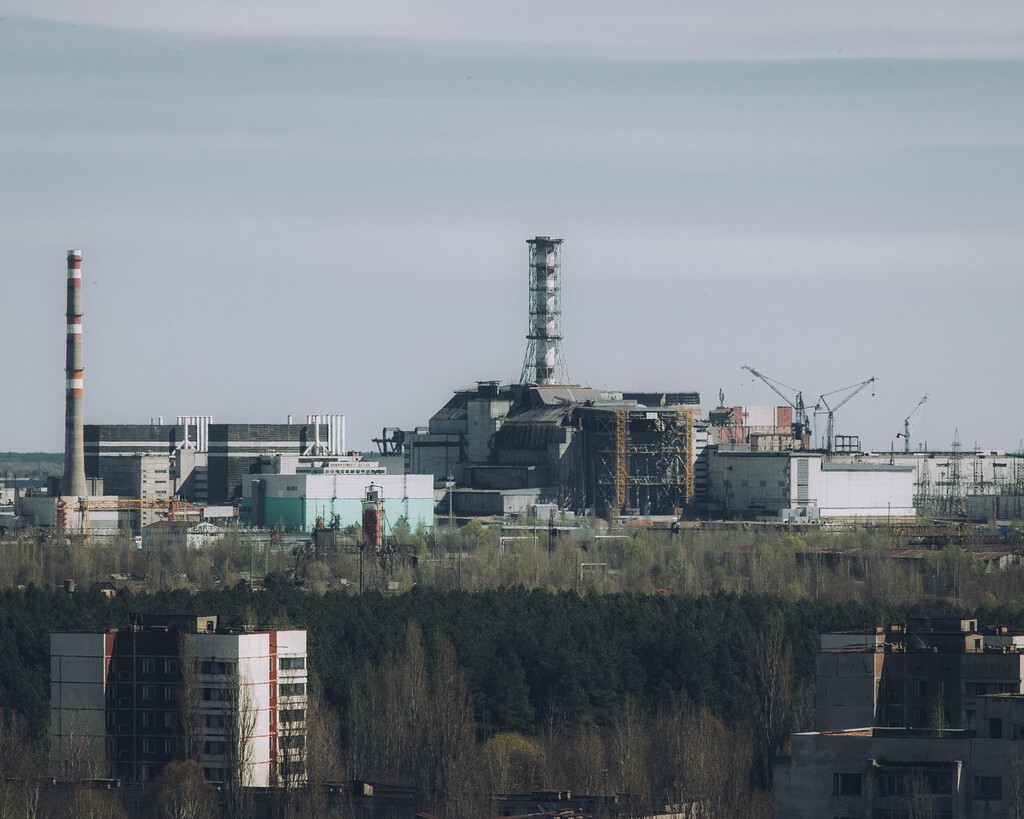
In February 2025, a Russian drone strike inflicted significant damage on the structure, threatening the stability and safety it was meant to ensure. This attack created a profound impact on international nuclear safety protocols, sparking a debate on the vulnerability of vital infrastructure amid geopolitical conflicts.
Structural Vulnerability Revealed
The steel structure, towering at 110 meters in height and weighing over 30,000 tons, was hailed as the world’s largest moveable land-based structure upon its completion in 2019. The design was engineered to endure the elements and shield the hazardous remnants from the environment for at least 100 years. However, the destructive capabilities of modern warfare were underestimated, as demonstrated by the drone attack.
The International Atomic Energy Agency (IAEA) assessed the aftermath of the strike, noting that although the damage did not lead to immediate radioactive leaks, it substantially compromised the structure’s primary safety functions. This assessment led to an urgent call for a comprehensive repair plan, which involves a considerable financial commitment of €500 million, outstripping the initial budget backed by the G7 nations.
International Response and Financial Implications
The G7 has pledged €260 million towards the repair project, emphasizing the pressing need to safeguard Europe and the global community from potential nuclear threats. The additional funds needed highlight the financial burden placed on international cooperative frameworks when addressing infrastructure vulnerabilities in high-risk zones.
While the nuclear facility itself remains a symbol of past errors and the resilience of international collaboration, this recent event underscores the need for continuous vigilance. The potential for external threats can compromise even the most robust safety systems, pushing for advancements in protective technologies and international agreements.
Detected Pattern: Infrastructure Layer Shift
The incident at Chernobyl presents a significant case of infrastructure vulnerability in the face of technological warfare. Modern conflict highlights the necessity of adaptive infrastructure solutions capable of withstanding both natural and human-made threats. The event has pressed international bodies to rethink the design and protection of critical facilities, pushing for stronger integration of automation and AI-driven monitoring systems.
Automation in monitoring and maintenance can optimize resource allocation and provide real-time data on structural integrity, thus enhancing response capabilities. The integration of AI in predictive maintenance could further mitigate risks and prolong the lifespan of such critical infrastructure.
Moreover, the geopolitical implications stress the importance of international security protocols that address both conventional and unconventional warfare, ensuring that essential infrastructures like Chernobyl’s are adequately protected.
Future Implications
Looking forward, the situation at Chernobyl is a stark reminder of the ever-changing landscape of global security and infrastructure resilience. As nations increasingly rely on AI and automation for protection, the evolution of military and civilian infrastructure must keep pace with technological advancements to avoid vulnerabilities.
The lessons learned from Chernobyl’s current predicament will likely shape future policies and collaborations, emphasizing the need for robust, adaptable defensive infrastructures that incorporate emerging technologies to safeguard against both natural disasters and human threats.
Monitoring continues.