
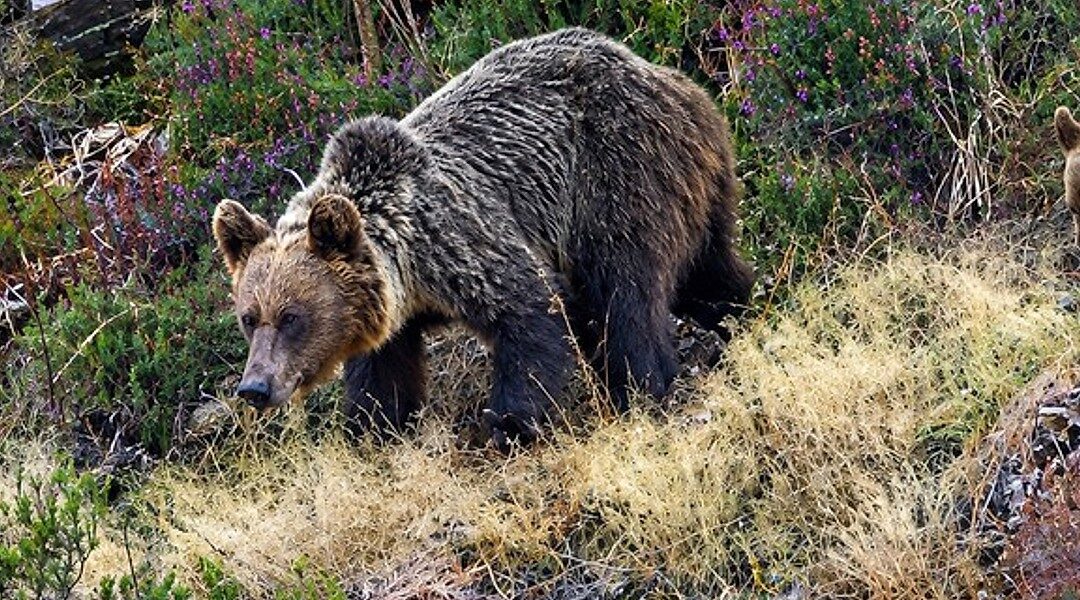
The brown bear’s expanding range in Iberia highlights successful conservation but raises challenges in managing human-wildlife interactions as their habitat grows.
In recent years, the Iberian Peninsula has witnessed a remarkable ecological event—the resurgence of the Cantabrian brown bear. Once on the brink of extinction, the species now occupies a significant portion of its historical range. This development, documented by the Spanish National Research Council (CSIC), is not just a conservation victory but also a complex example of human adaptation to wildlife resurgence.
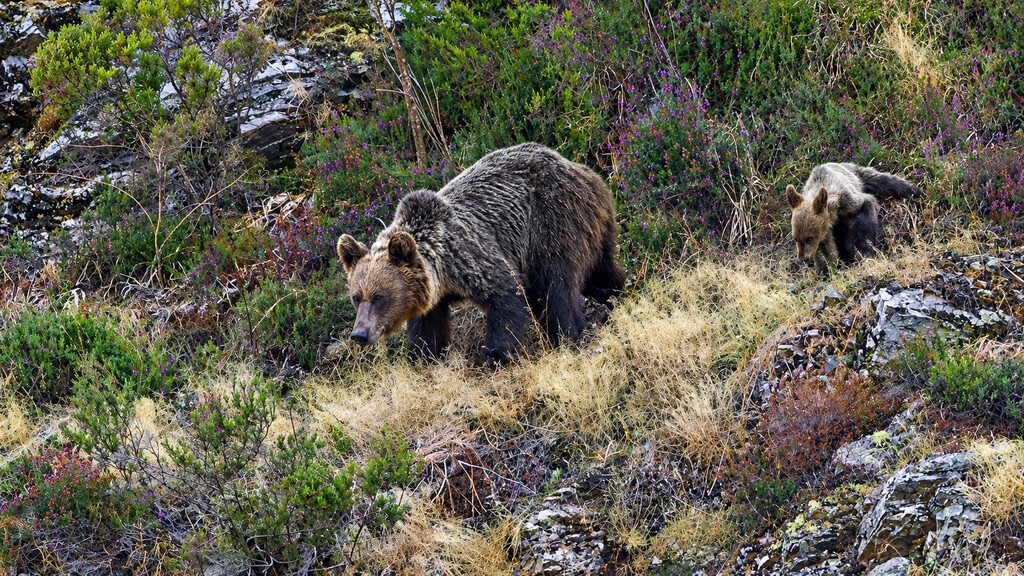
Beginning in the 1980s, conservation efforts grew in response to the drastic decline in bear populations. By recounting the bear’s population history, the Doñana Biological Station reveals that by the end of the 20th century, numbers had dwindled to alarmingly low levels. This spurred initiatives that have successfully reversed the trend. According to a 2023 genetic census, the Cantabrian brown bear population has reached approximately 370 individuals across two major subpopulations—250 bears in the western region and 120 in the eastern.
Detected Pattern: Human Adaptation Layer
The brown bear’s expanding range offers insight into human adaptation to shifts in biodiversity. While the bears’ return indicates a healthy and suitable habitat, it also presents new challenges in human-wildlife coexistence. Current conservation plans cover only about half of the bears’ present distribution area, indicating potential friction as bears venture into agricultural lands and human-populated zones. This necessitates updated protective measures to prevent conflicts with human activities such as agriculture and apiculture.
As the bears expand into unprotected areas, the Foundation Oso Pardo warns of increased potential for human-bear interactions, which could shift public perception of these animals from conservation successes to nuisances, complicating future protection efforts.
Conservation Efforts and Challenges
Reflecting on past decades, the bear’s decline in the 1990s was heavily influenced by changing environmental conditions, particularly those affecting food resources. Human activity had a lesser impact on their decline, but as bears reclaim more territory, human factors might become more significant. The research team emphasizes that protection strategies must adapt to the bears’ new movement patterns and consider updated demographic data.
Researchers from the Doñana Biological Station further analyzed bear distribution from 1982 to 2021, showing a staggering 70% increase in their range during the last measured decade. This broadening has alleviated genetic bottlenecks by linking isolated populations, a crucial step for species recovery. However, the reproductive areas have not shown equivalent growth, underscoring the need for targeted conservation strategies to support breeding and cub survival.
Ecological Implications and Future Considerations
This expansion is a testament to effective conservation but emphasizes the delicate balance required in managing ecological restoration alongside human interests. The bears’ movement tends to favor zones with lower human density, aligning with their preference for less-disturbed habitats. Therefore, proactive planning in conservation and land use policies will be key to sustaining the population growth while mitigating potential human-wildlife conflicts.
Ultimately, understanding and adapting to these changes is critical not just for the bears’ survival but for the broader ecological integrity of the region. The situation calls for a nuanced approach that balances ecological needs with socio-economic realities. Updating protection plans and increasing public awareness about coexistence strategies will be essential steps forward.
As the brown bear continues to navigate its path towards recovery, it remains a living indicator of both the successes and challenges inherent in modern conservation efforts. Monitoring continues.