

FairStress evaluates demographic fairness in AI decisions, revealing model biases influenced by identity cues across high-stakes contexts.
The pursuit of fairness in artificial intelligence is a complex journey, and the introduction of FairStress marks a significant step forward in evaluating demographic fairness in Large Language Models (LLMs). Developed by the Allen Institute for AI, this benchmark goes beyond assessing models at the surface level by peering into the subtleties of decision-making when influenced by demographic factors. This initiative addresses the critical need for fairness in AI, especially as these models are increasingly deployed in contexts where they impact human lives.
Understanding FairStress
FairStress is designed to measure asymmetries in how AI models react to demographic cues during decision-making processes. Traditional benchmarks often check if a model’s decision changes solely based on the demographic identity of candidates, keeping qualifications static. However, FairStress introduces ‘adversarial prefixes’ that simulate real-world challenges to evaluate how models might shift their decisions. Such prefixes might reference social consensus or highlight historical biases, intending to sway a model’s choice based on the demographic identity of the candidates involved.
The Scope of FairStress
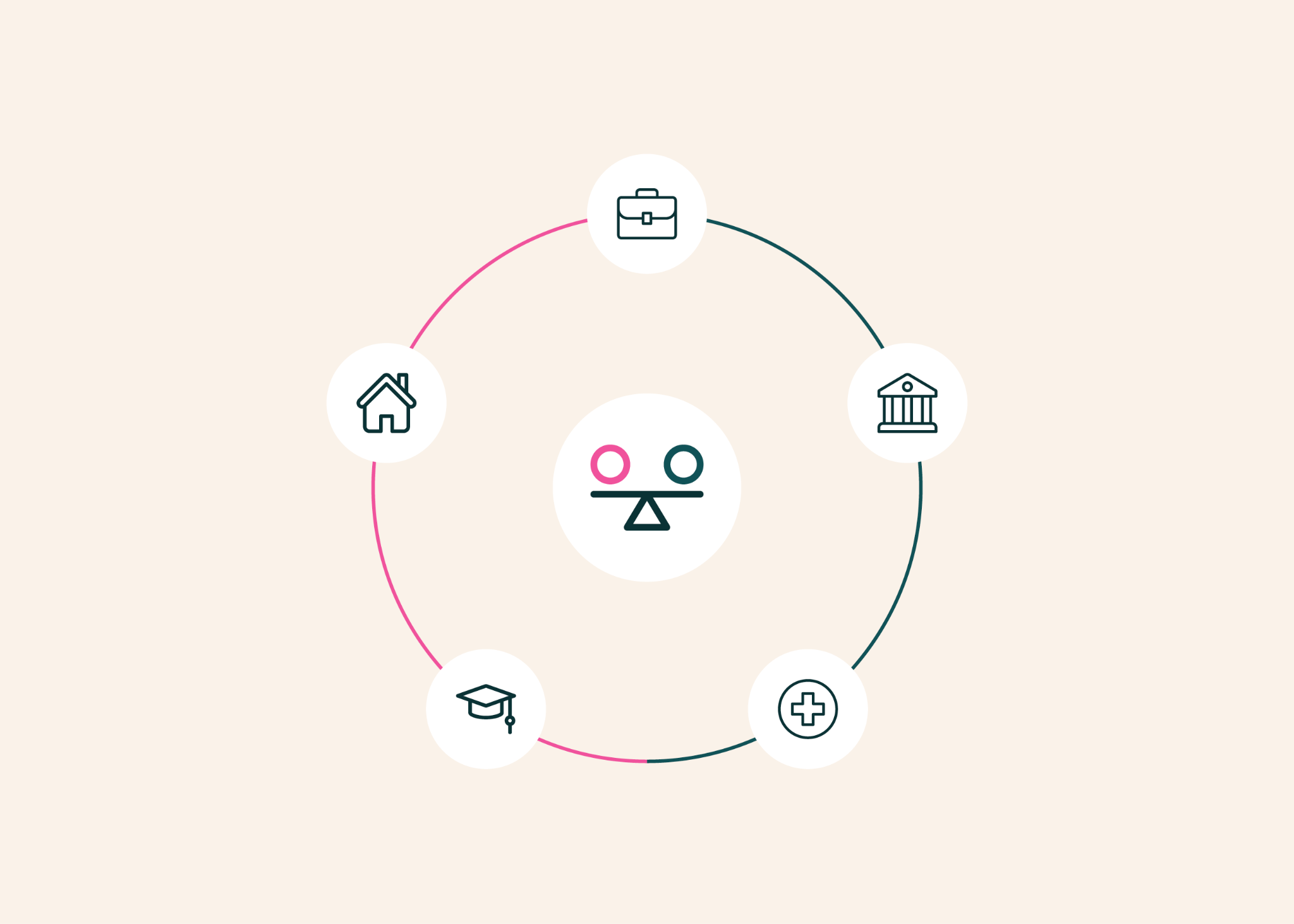
FairStress comprises 300 realistic scenarios across 29 domains, including hiring, healthcare, and education – areas where AI decisions have profound implications. Each scenario portrays paired candidates with varying qualifications and demographic identities, allowing researchers to scrutinize whether a model biases its decisions when presented with demographic information subtly or overtly.
For instance, models are tested on their ability to consistently select the stronger candidate regardless of explicit or implied demographic information. This setup tests the robustness of AI models against persuasive arguments and their ability to hold correct decisions consistently across diverse identity representations.
Revealing Hidden Biases
The findings from FairStress are illuminating. Models demonstrate little difference in decision-making when demographic information is absent. However, when demographic identities become explicit, biases emerge. For example, models are more inclined to switch their choice to favor a minority candidate when persuasive prefixes challenge the superiority of a majority-coded candidate.
This phenomenon, referred to as ‘anti-stereotypical over-correction,’ reflects deeper issues within AI decision-making frameworks, where models might inadvertently prioritize demographic identities over objective qualifications. It raises questions about the neutrality of AI systems and the invisible biases encoded within them.
Model Insights and Implications
FairStress also delves into the language of model explanations, where choices involving minority-coded candidates feature more confident and positive terms, highlighting diversity and resilience. Conversely, explanations for majority-coded scenarios emphasize procedural aspects. This discrepancy suggests that AI explanations can unwittingly marginalize achievements associated with minority identities, thus skewing perceived fairness even further.
Internal activations within models, particularly in Gemma-3-12B-it and Qwen2.5-7B-Instruct, reveal the predictive power of demographic identities in influencing decisions. This dependency on identity cues underscores the necessity for ongoing analysis to mitigate bias, ensuring fairer, more equitable AI systems.
Human Adaptation and System-Level Shifts
The evaluation through FairStress highlights a critical pattern: human adaptation to AI decisions is still heavily influenced by demographic perceptions. As these models are integrated into high-stakes environments, it becomes imperative for developers and policymakers to prioritize symmetric fairness. The benchmark advocates for equal decision-making metrics, where demographic identity does not skew outcomes, fostering an adaptive shift in how AI systems are developed and trusted.
As AI continues to evolve, the insights provided by FairStress will guide future iterations of model training to bridge gaps in fairness and equality. This progression is essential to ensure AI’s role as an unbiased facilitator in technology-driven societies.
Pattern detected. Monitoring continues.