

Papa Johns steps into drone delivery, collaborating with Wing to deliver sandwiches in North Carolina. This shift indicates a move towards automated food delivery infrastructure.
Beginning today, residents of southern North Carolina have the option to receive food from Papa Johns delivered not by traditional means, but from the sky. This is made possible through a collaboration between Papa Johns and Alphabet’s drone company, Wing. However, these deliveries will not include the chain’s iconic pizzas but rather a selection of sandwiches, marking a strategic test in automated delivery infrastructure.
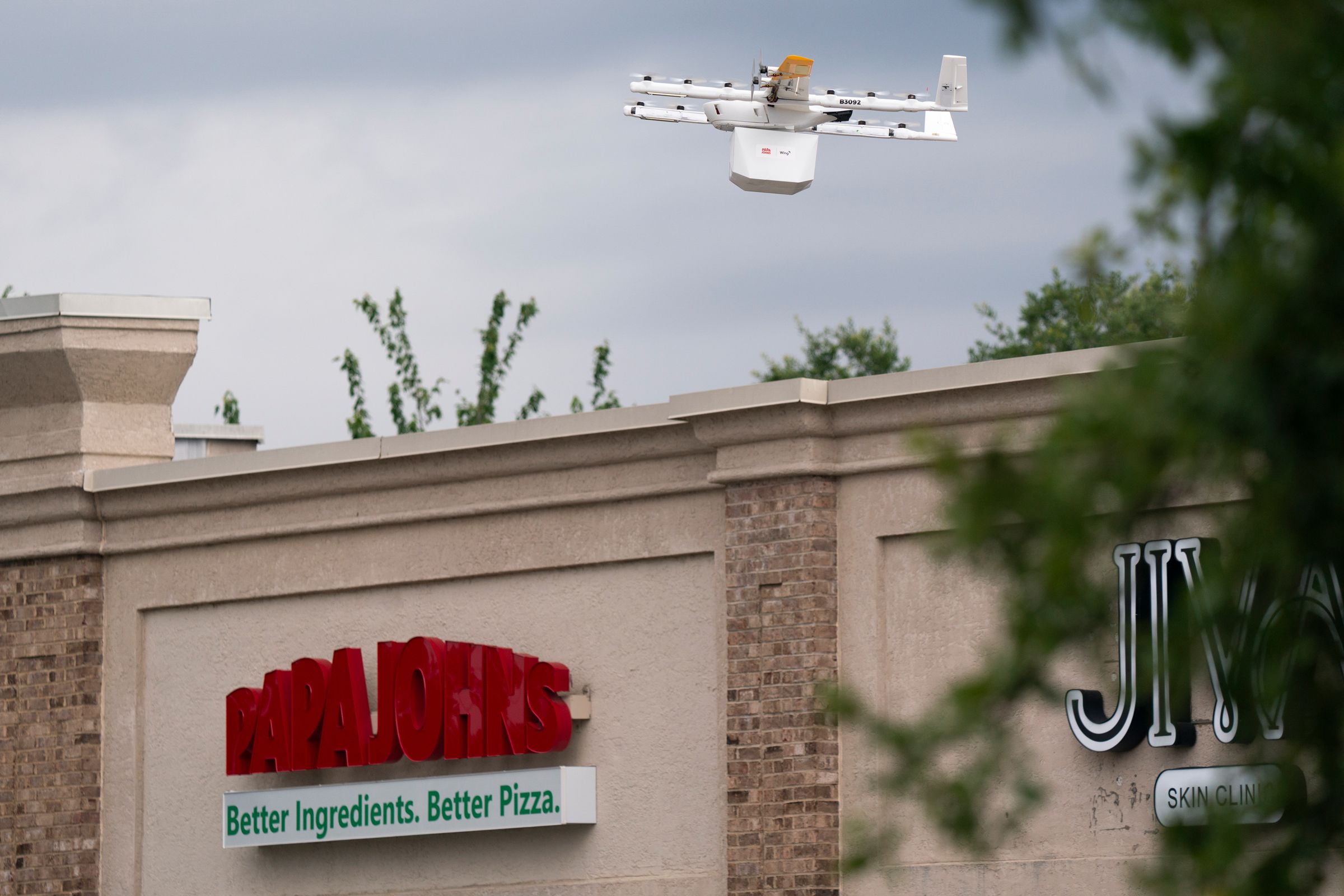
While drone deliveries are becoming increasingly common, particularly in the US, their adoption reflects a deeper system-level change: the automation and streamlining of food delivery processes. The use of drones illustrates a significant push toward a more efficient delivery infrastructure, where manual steps are minimized, and human intervention is reduced to management and oversight.
Delivery Innovations and Collaborations
Wing’s collaboration with Papa Johns is not an isolated initiative. The company has previously partnered with major retail and food service names such as Walmart, Panera, and DoorDash, delivering to urban areas like Atlanta, Charlotte, Dallas-Fort Worth, and Houston. This partnership indicates a broader adoption across industries where logistics efficiency is paramount.
Wing’s CEO, Adam Woodworth, highlights the limitations that have prevented pizza from being an initial candidate for drone delivery: the lack of aerodynamic structure in standard pizza boxes. This limitation redirects the initial focus towards more drone-friendly items like sandwiches.
Challenges in Drone Delivery
Physically transporting food items like pizza via drones presents unique challenges, primarily due to the box’s non-aerodynamic design. However, the core challenge transcends physical logistics and delves into economic viability. The long-term success of drone delivery hinges on overcoming payload limits, range constraints, and regulatory hurdles, alongside developing cost-effective operational practices.
Pattern detected: user workflows shift toward partial automation.
Economic and Operational Layers
The economics of drone delivery necessitate a reconsideration of operational models. According to Flytrex’s cofounder Amit Regev, simplifying operations through automation and leveraging existing retail workforce are crucial. Papa Johns and Wing’s approach embodies this principle by integrating drone delivery into existing retail frameworks to minimize training and operational complexity.
Furthermore, the automation layer in food delivery aligns with current trends towards decentralized logistics, wherein drones complement traditional methods by handling peak delivery times—or ‘rush hours’—enhancing overall throughput without proportionally increasing labor costs.
System-Level Implications
This move by Papa Johns demonstrates not just an exploratory business strategy but a signal toward potential systemic changes in urban logistics. As drones become more prevalent, they may redefine delivery infrastructures, making them more adaptable to real-time demand fluctuations, thus supporting more resilient supply chains.
Wing’s experiment in North Carolina will serve as a data collection opportunity, providing insight into how drones can be incorporated into broader logistical strategies and offering a template for other organizations seeking to integrate drone technology into their operations.
Automation Pattern
The integration of drones in food delivery systems signifies an automation layer that suggests a reduction in dependency on manual labor and an increase in efficiency through machine-led operations. This framework may eventually lead to broader applications beyond food, paving the way for a more interconnected and autonomously managed delivery ecosystem.
As drone delivery trials continue, the potential for broad adoption depends on overcoming current technical and regulatory barriers. Yet, these advancements signal a shift towards a future where automated systems significantly contribute to logistical operations. Monitoring continues.