

The Maeving RM2 combines retro aesthetics with modern electric technology, though performance and practicality struggles highlight areas to improve.
Breaking away from traditional norms, the Maeving RM2 stands as a beacon of innovation in the world of electric motorcycles. Founded in 2018, Maeving, a UK-based company, has crafted the RM2 to merge the past and present, echoing the charm of classic British motorcycles such as the Triumph Bonneville while embracing the efficiency of electric power. This retrofuturistic approach resonates well with a demographic in search of nostalgia wrapped in modern technology.
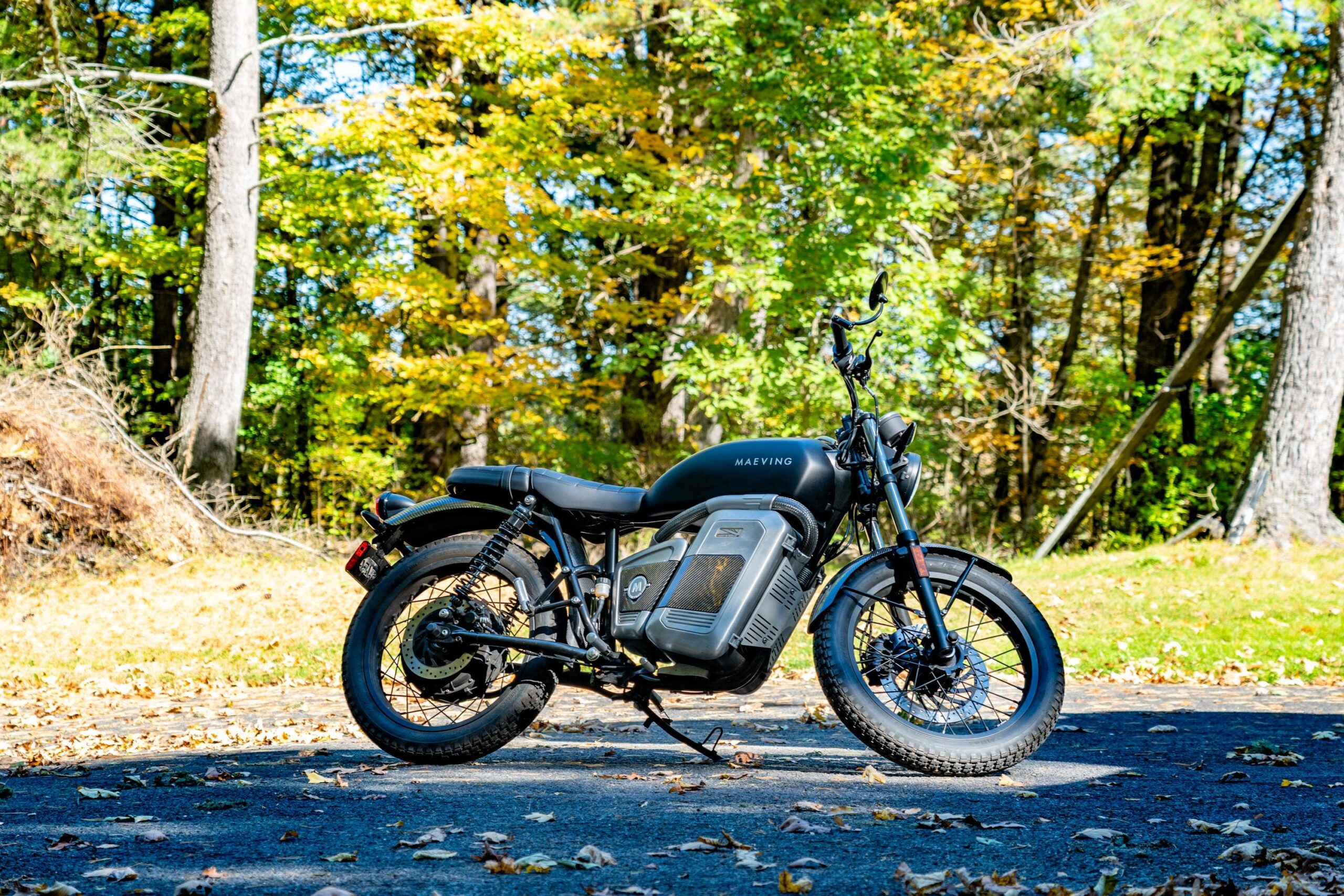
Design and Engineering
The RM2 is a stylistic marvel, integrating a 15-horsepower electric hub motor directly into its rear wheel. This design choice allows for a quieter, smoother ride compared to many of its competitors that utilize chains or belts, which typically add mechanical noise. The effect is a whisper-quiet cruising experience, notable in an increasingly bustling urban environment where noise pollution is a growing concern.
However, this commitment to silence isn’t without its drawbacks. Many riders have reported persistent buzzing from the front fender and looseness in other mechanical areas like the bar-end mirror and front wheel, suggesting potential quality control issues in its assembly or component quality.
Performance Constraints
Despite its aesthetic appeal, the RM2’s performance leaves much to be desired, especially given its price point of $10,995. It produces a significant 193-pound-foot torque, promising an energetic start, but struggles to maintain speed beyond 63mph in its most powerful mode. This is disappointing when compared to expectations set by its visual appeal and the torque it claims.
The RM2’s limitations become apparent especially when considering the practicality of carrying a passenger, a feature that its extended seat seemingly supports. However, with performance constraints at higher speeds and its handling challenges on bumpy roads, it’s advisable to reconsider taking it on long highway journeys or with significant additional weight.
Practicality and Real-World Usability
One of the more innovative aspects of the RM2 is its battery design. Its removable twin 2.73-kilowatt-hour packs allow for charging flexibility—users can simply take the batteries with them and charge them indoors. Each pack comes with a handle, though the design could be more ergonomic, as users have reported the removal process to be cumbersome.
Real-world performance sees riders averaging around 50 miles per charge when in Sport mode, significantly lower than the advertised 80 miles, pointing to potential discrepancies in battery efficiency or energy management systems.
System-Level Shift: Human Adaptation to Electric Transport
Observing the RM2 in the broader context of electric transportation, there’s a clear pattern of human adaptation to new driving experiences. As consumers become more environmentally conscious, the allure of electric motorcycles like the RM2 grows. Yet, this transition presents challenges in adapting practical user experiences to meet performance expectations. The RM2, with its avant-garde styling and technological ambitions, embodies this shift, though its current iteration needs refinement to align with user expectations established by traditional combustion engines.
Furthermore, the RM2’s engagement with user experience—through the ease of handling, aesthetic design, and silent operation—suggests an ongoing shift towards prioritizing rider comfort and adaptability in urban environments. This reflects a broader trend in transportation technology where the functionality pairs with form, yet demands further innovation to fully satisfy performance metrics.
Ultimately, the Maeving RM2 represents a step in the right direction for stylish, sustainable transportation solutions, though it’s held back by performance issues and practical inconveniences. The ongoing evolution of electric motorcycles will likely address these growing pains, offering promise that future iterations can better balance style, efficiency, and user needs. Observation recorded.