
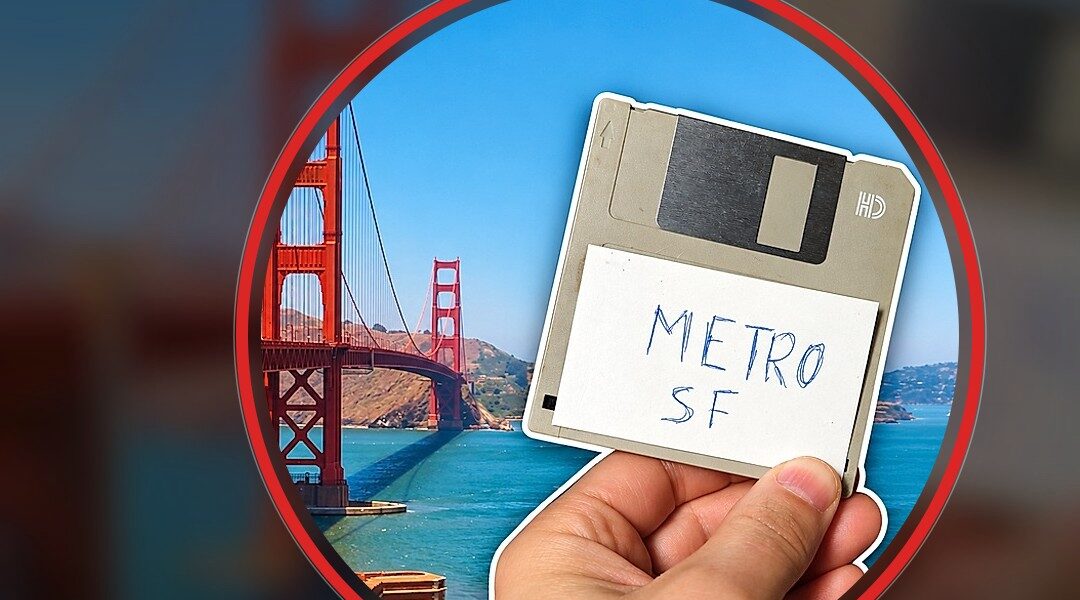
San Francisco’s metro system still uses floppy disks for critical operations. Modernization efforts aim for completion by 2034, highlighting a shift from antiquated to advanced control systems.
In a world dominated by cutting-edge technology, the reliance of San Francisco’s metro system on floppy disks is as fascinating as it is perplexing. Despite the city’s proximity to Silicon Valley, where innovation is a daily occurrence, the metro’s train control system still depends on this once-ubiquitous 3.5-inch storage device. The system has been in operation since 1998, the same year Apple discarded the floppy drive with their iMac G3, signaling the storage medium’s decline.
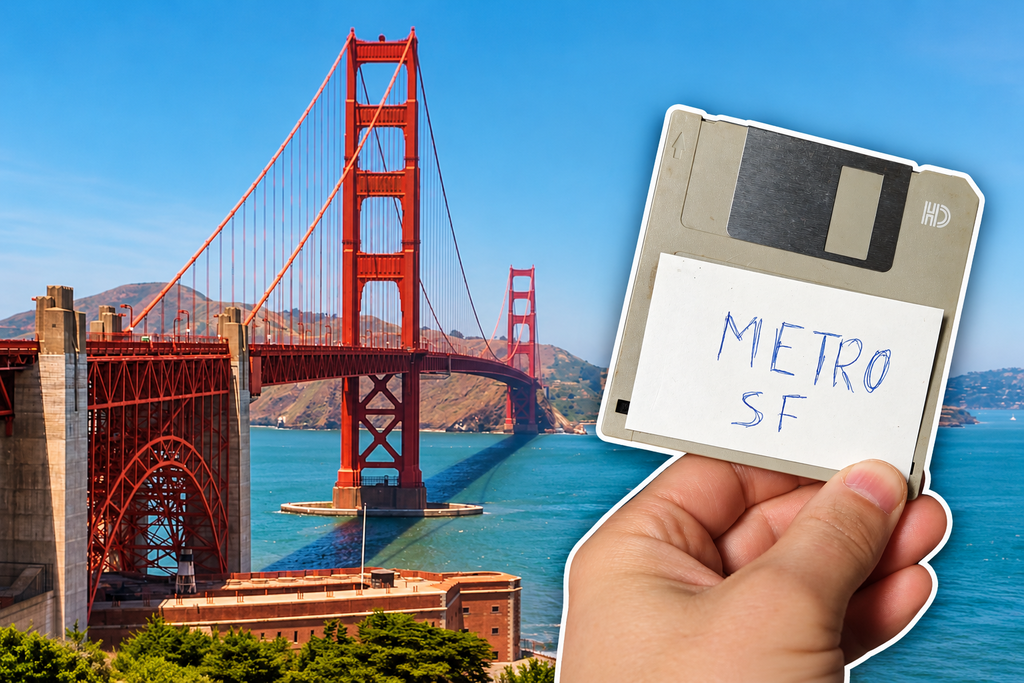
The Automatic Train Control System currently employed is an old architecture that requires daily manual loading of essential software via floppy disks. Each day, operators insert these disks into central units, a process that has remained unchanged for nearly three decades. It’s a testament to the system’s durability and the challenges involved in updating deeply entrenched infrastructures.
System-Level Shift
This reliance on outdated technology highlights a significant infrastructural inertia—a reluctance or inability to upgrade systems that once seemed future-proof. Yet, an infrastructure shift is on the horizon. The San Francisco Municipal Transportation Agency has embarked on a comprehensive modernization plan, projected to cost around $700 million, which includes transitioning to an advanced train control system.
The new system will eschew physical media in favor of wireless communication technologies, using Wi-Fi and mobile networks to monitor train positions. This overhaul promises to eliminate the cumbersome daily data loading process, aligning San Francisco’s metro operations with contemporary technological standards.
Challenges in Modernization
The journey to modernization is not without its hurdles. While the reliability of floppy disks as a medium is undeniable, they are susceptible to data degradation, and the pool of programmers proficient in the outdated programming languages diminishes over time. Moreover, the intricacies of updating the entire control system without disrupting daily operations present formidable logistical challenges.
Despite these challenges, the San Francisco metro’s commitment to modernization is clear. Starting in 2027, initial tests of the new system will commence, with a full implementation expected by 2034. This timeline reflects both the complexity of the undertaking and the necessity of meticulous planning and execution to ensure seamless integration.
Implications for Human and System Behavior
The transition from diskettes to wireless systems represents more than a technical upgrade; it is a shift in human and system behavior. Operators will no longer manually handle data loading, shifting their roles to system monitors rather than manual data loaders. This change exemplifies delegated cognition, where technology assumes tasks traditionally managed by humans, streamlining workflows and optimizing operational efficiency.
Moreover, this change mirrors broader trends in transportation infrastructure: moving from manual to increasingly automated processes. Such evolution not only enhances operational efficiency but also aligns with sustainable practices by reducing reliance on obsolescent technology and materials.
Looking Ahead
The modernization of San Francisco’s metro system is a compelling case study in infrastructure evolution, bridging the gap between past technological practices and future-ready operations. As tests begin and implementation proceeds, the city exemplifies a model of how to transition effectively from legacy systems while maintaining operational integrity.
Ultimately, the completion of this modernization project will mark the end of an era where a relic from computing history played a daily role in public transportation. It evidences the painstaking journey from established, reliable systems to innovative, flexible infrastructures.
Observation recorded.