
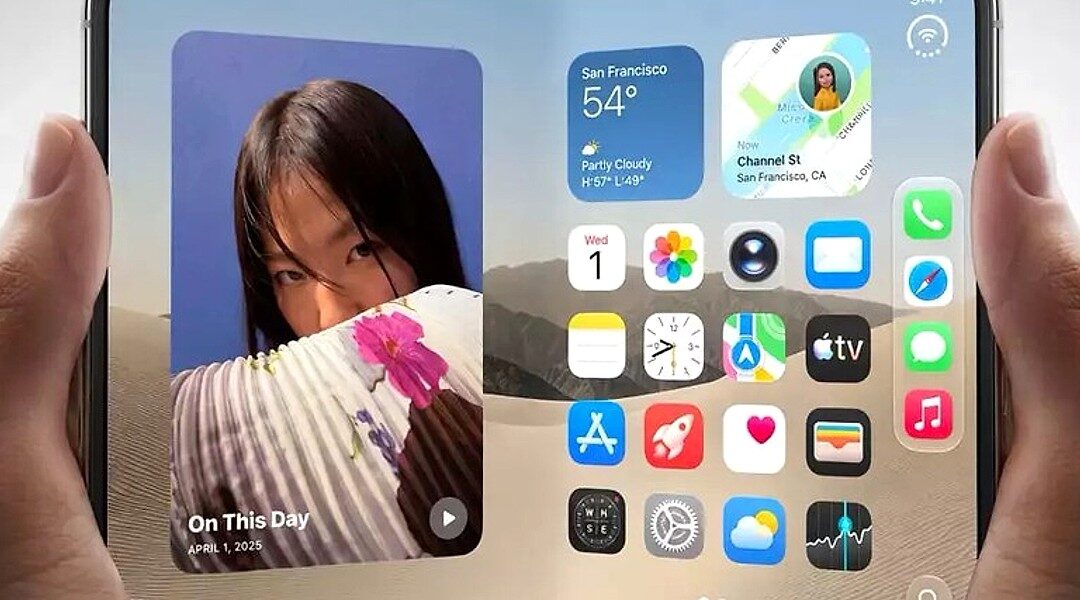
While many focus on iPhone Duo’s stunning unlock animation, its continuity feature is what truly sets it apart and offers a lesson for Android’s future.
The iPhone Duo, set to launch on October 23, 2026, is stirring conversations for more than its innovative unlock animation. While the animation captivates at first glance, the underlying feature of continuity might hold the true potential to change user interaction paradigms. The smartphone market, especially the foldable segment, watches closely.
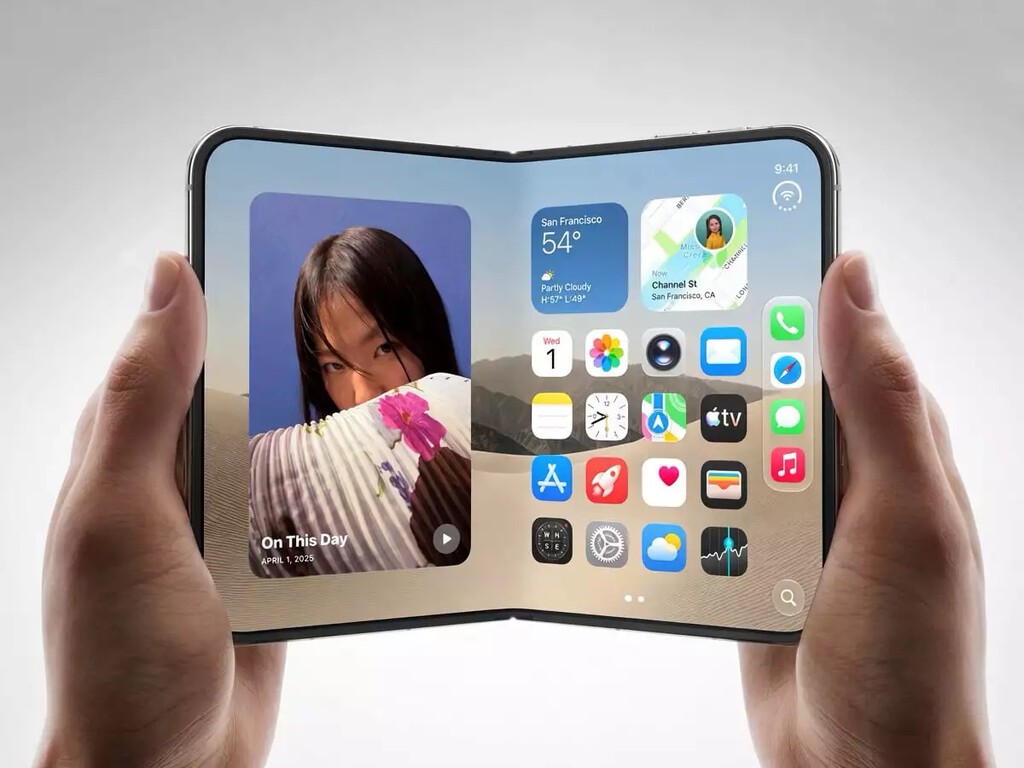
The intrigue surrounding Apple’s venture into foldables lies not just in competition but in the transformative functionality Apple introduces. The continuity in user experience Apple offers is what Android devices need to consider adopting. As devices like the iPhone Duo make transitions seamless when switching from the internal to the external display, they redefine interaction norms.
Redefining User Interaction
Unlike conventional design where closing a device naturally locks it, the iPhone Duo maintains an uninterrupted flow. This choice challenges the entrenched design philosophies in foldables, notably seen in Android alternatives. The decision to keep the primary interface accessible even when the device is closed is a subtle but significant shift.
Such design philosophies mark a departure from the rigid functionalities users have grown accustomed to. This continuity ensures that tasks, whether replying to messages or browsing social media, remain unhindered by hardware manipulations. It’s a departure from traditional stop-and-start modes that disrupt fluidity.
Interface Dependency and Market Implications
Apple’s influence on interface dependency becomes evident as competitors face increased pressure to adapt similar functionalities. The potential market shift towards seamless interface experiences could instigate a broader rethink in how devices are designed and operated.
The implications for Android manufacturers are clear. User expectations are evolving, driven by intrinsic ease-of-use examples like the iPhone Duo. This could lead Android manufacturers to prioritize software-driven fluidity over superficial animations or aesthetic elements.
The Broader Context
Apple’s entry into the foldable market, amidst competitors like Xiaomi and Samsung, with its unique interface adjustments, sets a benchmark. These changes denote a shift not just in the user interface but in functionality expectations. It signals a broader trend where consumer demands propel companies to prioritize genuine functional improvements.
Such disruptions in user interface strategies demonstrate a core pattern: interface dependency. This pattern reflects a future where AI and automation in consumer electronics emphasize smooth, uninterrupted user interaction. As devices become extensions of user intent, the market must respond to these elevated expectations.
System-Level Shift
The detected system-level shift, or interface dependency, is crucial in understanding the evolving landscape of user interactions. By embedding continuity as a core principle, Apple leverages AI-driven understanding of user behavior to enhance its product ecosystem.
This shift underscores a future where the device’s ability to anticipate user needs and actions takes precedence. As Apple sets the stage, other tech players must either adapt or risk obsolescence in user engagement strategies. Observations indicate that the market must orient itself toward these dependencies to remain competitive.
The continuity feature of the iPhone Duo challenges the status quo, urging a shift from aesthetics to substantive user interaction improvements. As Apple’s approach gains traction, its influence on current and future technology is undeniable. The lesson for Android and beyond is clear: prioritize seamless interactions that align closely with user behavior.
Monitoring continues.