
Amazon Prime Day is showcasing increasing AI integration, from smart devices to enhanced shopping algorithms, highlighting early consumer adaptation and intensified competition in the retail space.
As we edge closer to the festive shopping frenzy marked by Amazon’s October Prime Day, a distinct pattern emerges: the deepening integration of AI and automation in consumer technology and retail strategies. This year’s deals serve not just as a precursor to the traditional Black Friday and Cyber Monday events but also as a glimpse into the evolving landscape of e-commerce, where AI’s imprint is becoming increasingly visible.
AI-Driven Smart Devices
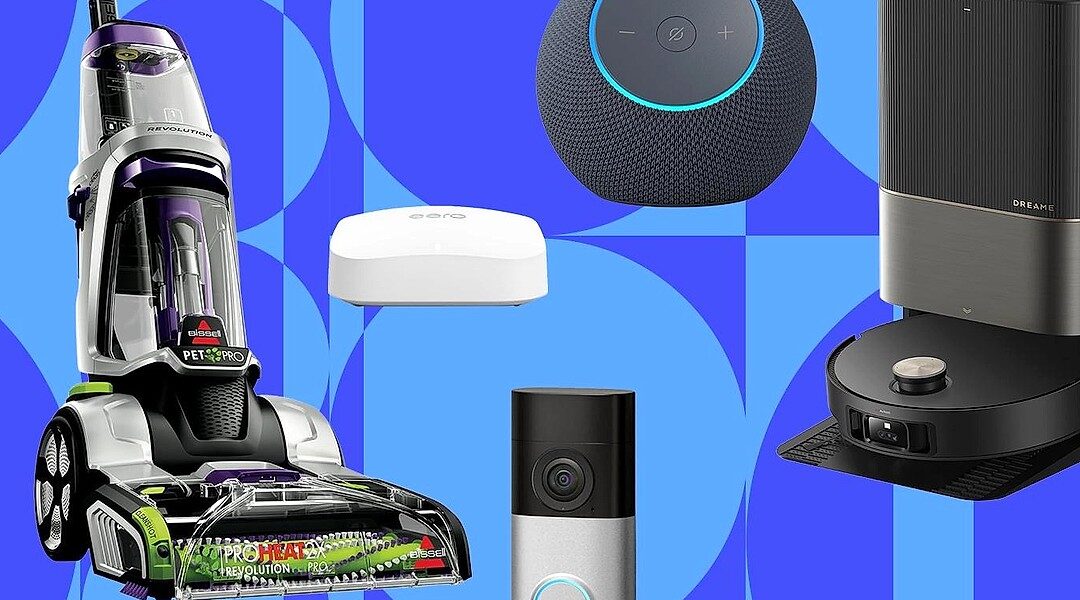
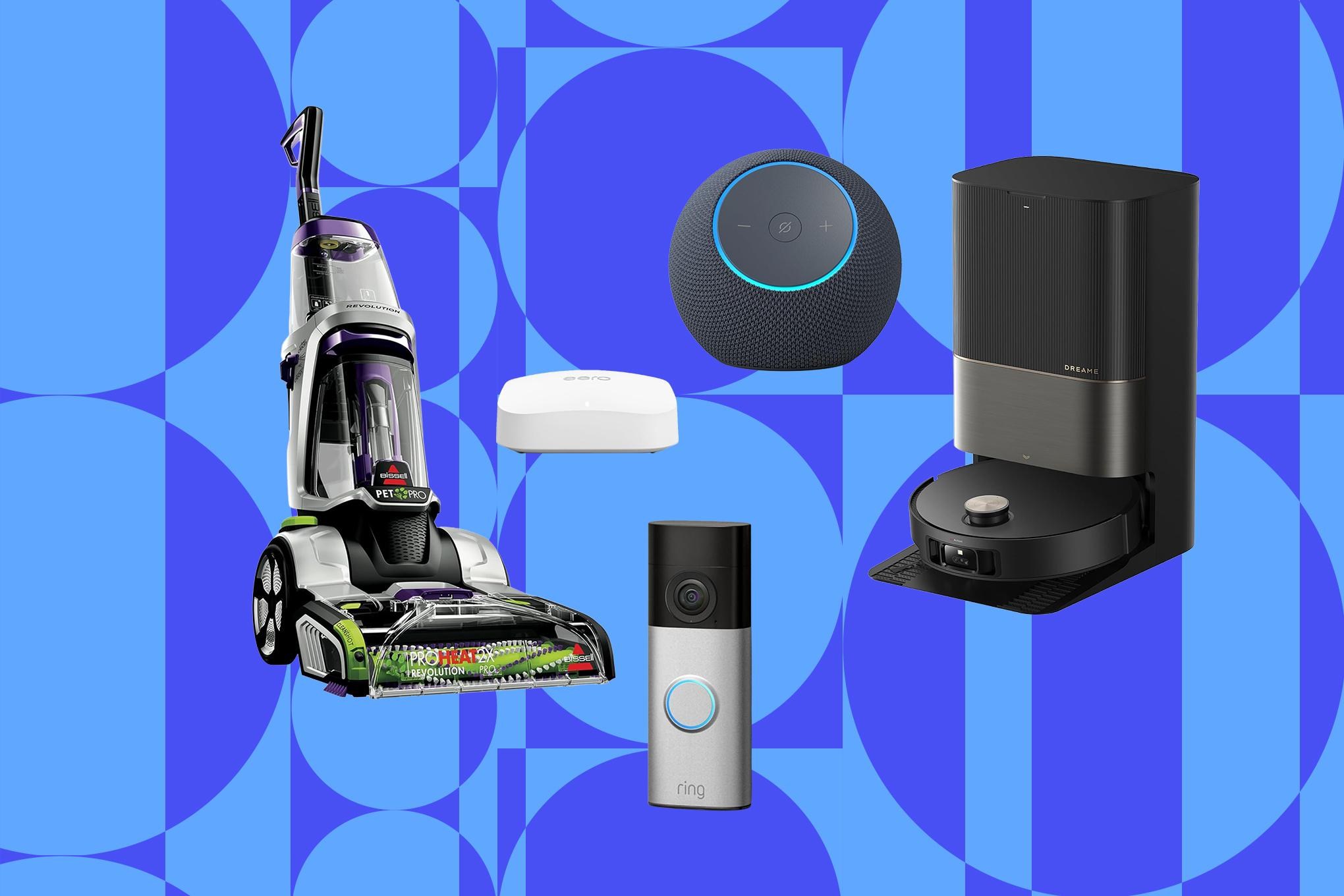
Among the standout products in the early Prime Day lineup are smart home devices, where AI capabilities take center stage. For instance, the Ring Floodlight Cam 2K, now available at a 50% discount, leverages AI tuning to enhance its resolution alongside providing robust security features. Similarly, the Ecovacs Deebot X12 OmniCyclone robot vacuum embodies the shift towards automation. It uses AI to identify and efficiently clean stains, a function that underscores the push towards home automation being not just convenient but also intelligent.
Retail Evolution Through Automation
The automation narrative extends beyond individual products to Amazon’s retail operations themselves. The timing and marketing of Prime Day, even before October begins, illustrate a strategic use of algorithms and data analytics to drive consumer engagement. By curating deals that mimic those expected on Black Friday, Amazon effectively extends the shopping season, maximizing consumer touchpoints and optimizing inventory turnover.
Consumer Behavior Patterns
These technological advancements resonate with changing consumer behaviors. There is an increasing trust and adoption of AI-driven products, signaling a shift toward homes that are not only digitally connected but also increasingly self-regulating through intelligent systems. This trend is mirrored in the software supporting these sales, with dynamic pricing algorithms adapting real-time to demand fluctuations and consumer profiles.
System-Level Shift: AI Adoption
The integration of AI in everyday consumer products illustrates a broader system-level shift towards AI adoption. This pattern is evident in both product capabilities and consumer purchasing tendencies. Smart devices are becoming more intuitive and autonomous, reflecting a delegation of cognitive tasks from humans to machines.
Furthermore, the automation of retail processes, from inventory management to personalized shopping experiences, showcases a compression of traditional retail workflows. The seamless blend of AI with consumer interfaces not only enhances shopping efficiency but also sets new expectations for user experience.
As shopping environments become more controlled by algorithmic intelligence, the implications for market competition are profound. Brands must innovate rapidly, not just in product offerings but in the integration of AI to remain relevant in this shifting landscape.
Observation recorded.