
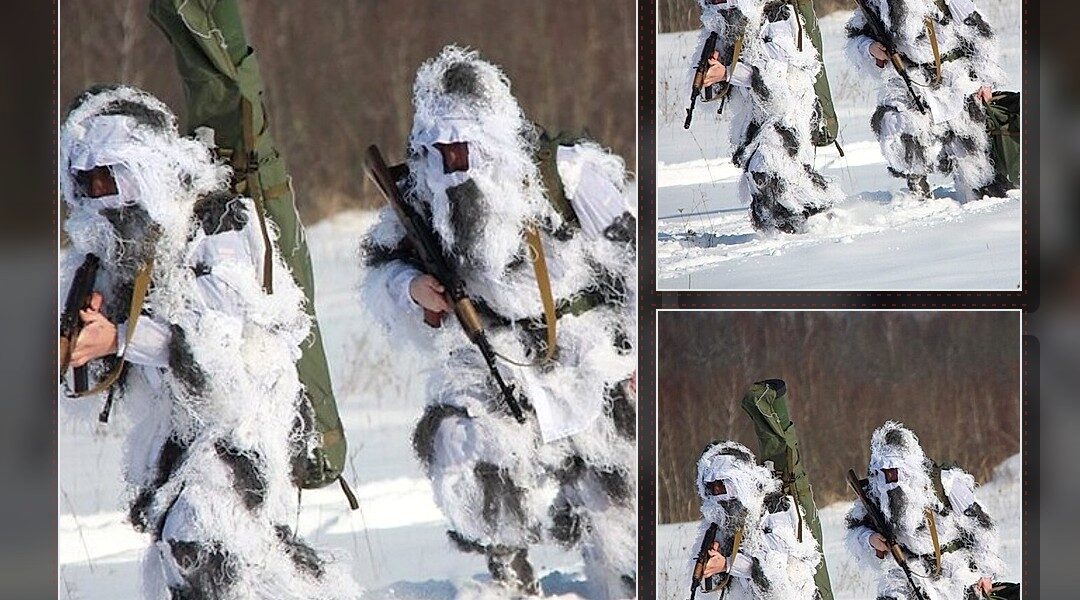
As winter approaches, the tactical dynamics between Russia and Ukraine shift. Both nations brace for how weather influences warfare strategies.
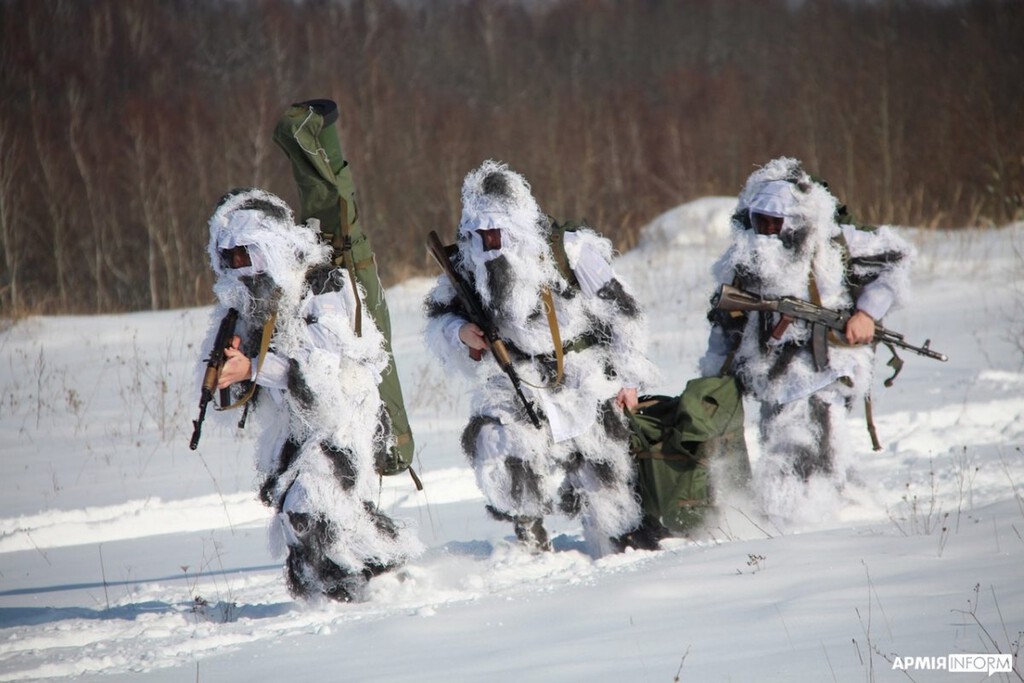
As the harsh winter months loom over Ukraine, the landscape of warfare adapts in substantial ways, impacting both Russian and Ukrainian strategies. In previous years, winters have been weaponized by Moscow, targeting Ukraine’s power infrastructure with drones and missiles to exploit the cold as a strategic advantage. However, the approaching winter introduces new tactical dimensions that both sides must consider.
The introduction of small, agile FPV drones has significantly altered the battlefield operations for Ukraine. These drones have become a crucial component of defensive strategies, creating ‘death zones’ that provide an expansive surveillance capability over the frontline. Forbes highlights that these areas, monitored by drones, have transformed open fields into perilous grounds for armored advances, challenging Moscow’s ability to leverage its numerical superiority.
As weather conditions alter these dynamics, both nations are forced to adapt. The threat lies not just in drones’ operational limitations during adverse weather—fog, strong winds, and snowfall—but also in the strategic opportunities these conditions present. General Denys Prokopenko notes that Moscow plans to exploit the vulnerabilities of drone operations, particularly when weather diminishes their effectiveness.
Recent movements around Dobropillia suggest that Russia is mobilizing units, possibly to capitalize on autumnal weather conditions more conducive for mechanized maneuvers. The Institute for the Study of War has observed these preparations, indicating a potential resurgence in Russian armored assaults.
Detected Pattern: Infrastructure Shift
The strategic adjustment to leverage weather impacts indicates a significant infrastructure shift. This shift involves modifying military tactics to incorporate unpredictable environmental factors, revealing an infrastructural dependency on not just technological assets but also natural elements. As traditional military hardware integrates with environmental and weather data, the battlefield becomes a complex terrain where automated and human decisions intertwine.
Meanwhile, Ukraine’s approach involves disrupting Russia’s logistical backbone by targeting refinery operations. As President Zelenski emphasized, the destruction of up to 45% of Russian refining capacity has created substantial logistical and strategic challenges for Moscow. Disruptions in fuel production are pressuring Russian military strategies, as seen in reports of recent attacks on the Yaroslavl refinery, which resulted in extensive operational halts.
Washington’s response to these developments adds yet another dimension to the ongoing conflict. The Biden administration advocates for a ceasefire targeting energy infrastructure, a proposal reflecting the broader geopolitical implications of energy warfare.
On the Ukrainian front, maintaining enough operational drones and strategizing around weather constraints will be crucial in countering any Russian mechanized offensives. The financial and logistical burden is immense, as Ukraine actively seeks winter support from allies, including advanced defense systems like the Patriot, to fortify its defenses.
Each winter poses a familiar yet evolving question: how will the cold amplify the impact of aggression? This season, it also asks how Russia plans to navigate its own logistical hurdles as it aligns winter strategies with diminishing refinery outputs.
In conclusion, the winter in Ukraine marks not merely a seasonal change but a shift in tactical warfare dynamics, influenced by both climate conditions and infrastructural strategies. This duality underscores the evolving complexity of modern warfare, where adaptation to environmental and infrastructural changes is vital. Monitoring continues.