
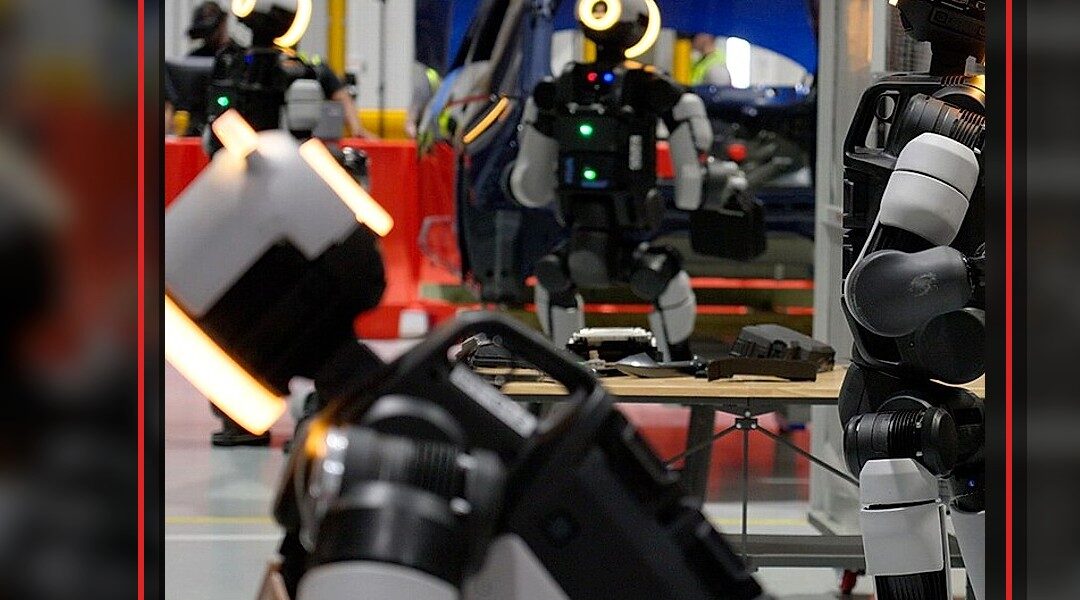
Boston Dynamics’ Atlas robots are progressing from demonstrations to industrial deployment at Hyundai, optimizing automated workflows and addressing labor shortages.
In a shift from showcasing acrobatics to engaging in industrial tasks, Boston Dynamics’ Atlas robots are preparing to integrate into Hyundai factories. This move marks a significant leap in deploying humanoid robots for real-world applications beyond controlled environments.
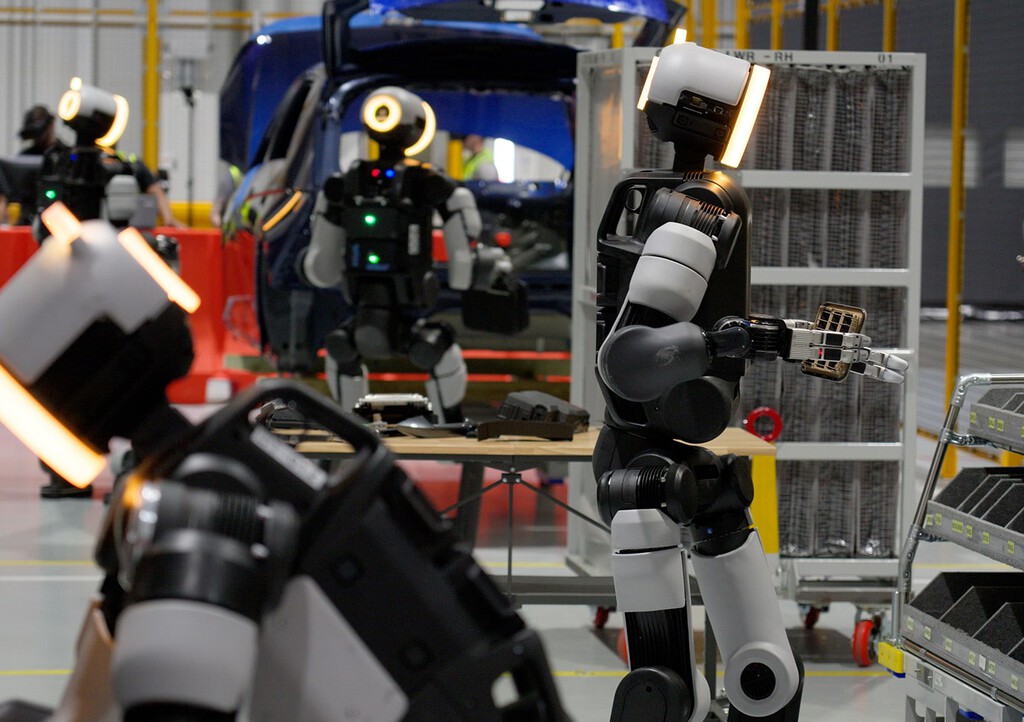
Boston Dynamics, renowned for its advanced robotics, now part of Hyundai, has inaugurated a new facility, the Robotic Manipulation Application Center (RMAC), near Savannah, USA. Here, Atlas robots will undergo rigorous training to adapt to industrial demands, preparing for a future in automotive manufacturing. This center simulates real-world logistics and tasks aimed at optimizing assembly line efficiency.
Optimization of Industrial Workflows
The RMAC is not just a training ground. It exemplifies a strategic pivot towards utilizing automation to address labor shortages and enhance production capabilities. By 2030, Hyundai envisions Atlas robots performing complex tasks, like assembling vehicle components and managing repetitive, labor-intensive activities. This initiative is not merely theoretical; it’s a pragmatic approach to infuse robotic efficiency into human-like tasks.
Detected Pattern: Automation Layer
The transition of Atlas robots into industrial settings showcases a broader trend in automation. While these robots have previously been part of spectacle performances, their new role highlights the automation of tasks traditionally executed by humans, enhancing efficiency and addressing workforce gaps, particularly in regions with declining labor populations.
This progression aligns with a global trend where robotics serve as a sustainable solution to workforce shortages, especially in regions like Europe, facing demographic shifts. Hyundai’s plan to introduce these capabilities in its Czech Republic plant indicates a strategy to mitigate these challenges through innovation in automation.
Strategic Expansion and Future Implications
Hyundai’s acquisition of Boston Dynamics wasn’t merely for technological clout. The strategic aim is to commercialize and demonstrate the efficacy of humanoid robots within Hyundai’s operational framework, potentially expanding to other sectors such as aerospace and logistics.
An ambitious deployment of 25,000 Atlas units across Hyundai and Kia plants is projected over the next decade. These plans are anchored by a new U.S.-based factory, capable of producing 30,000 robots annually, alongside an expanded RMAC. Such infrastructure investment signifies a commitment to not only advancing robotics but also redefining industrial labor dynamics.
Competing in the Global Robotics Arena
The competitive landscape for humanoid robots is heating up. Although Boston Dynamics leads in technological prowess, China dominates the market with up to 90% of global humanoid robot production. Companies like UBTech are scaling up production of robots that are already being deployed in manufacturing.
This competitive backdrop emphasizes the critical role of infrastructure and production capabilities in making humanoid robots viable commercial products, shifting them from novelties to essential components of modern industry.
In essence, Boston Dynamics’ transition of Atlas from performance to production marks a significant milestone in robotic development. As these machines move from controlled environments to industrial settings, they represent both the technological capabilities and the strategic foresight of companies investing in automated solutions to labor challenges.
Observation recorded.