
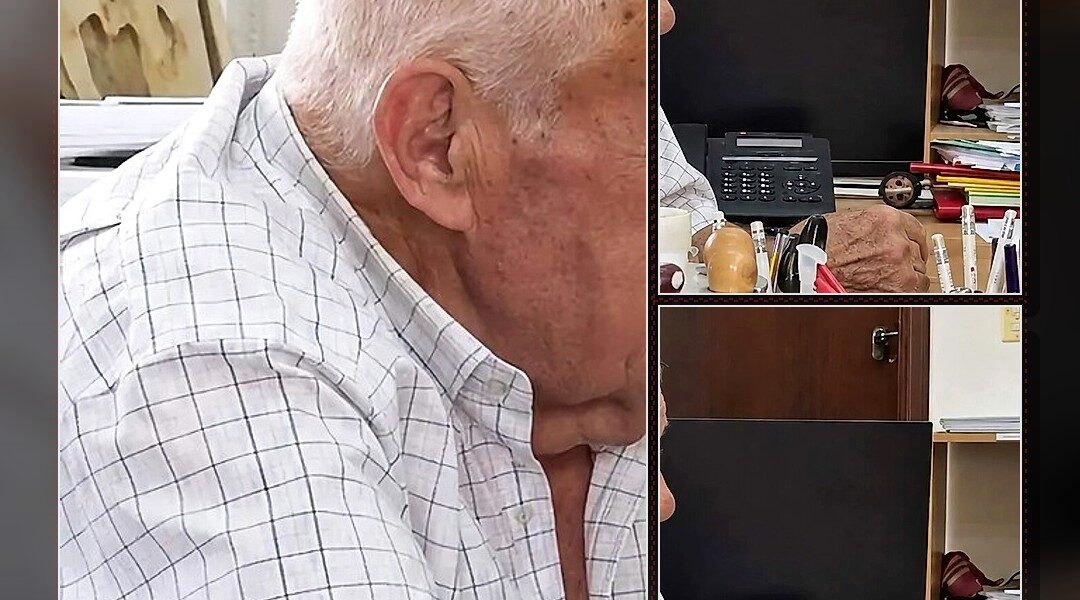
At 91, Juan García Benito aims to continue as mayor of Rábano, embodying a unique example of enduring governance in Spain’s rural landscape.
Juan García Benito, at the remarkable age of 91, makes headlines with his intention to continue serving as the mayor of Rábano, a small village in Valladolid. His announcement to seek re-election for another term is not just a personal decision but a reflection of the sociopolitical dynamics that often characterize rural Spanish governance.
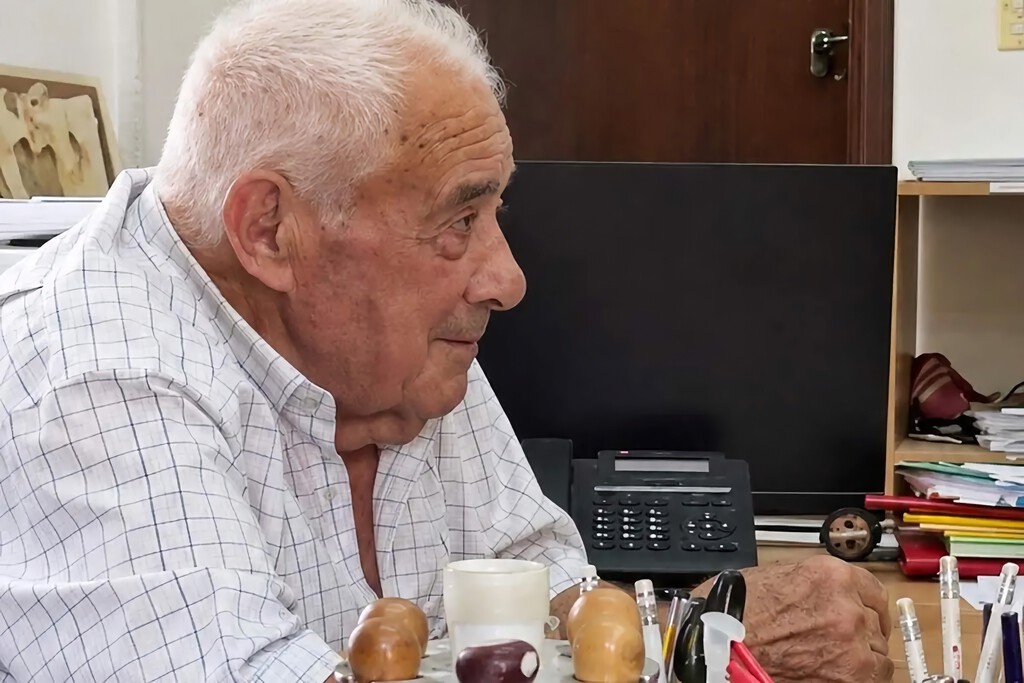
García Benito, who started his mayoral journey in 2007, has become a fixture in the community, demonstrating a unique blend of commitment and resilience. “I think I will run,” he confirmed, adding a condition familiar to leaders at every level: continuing only if his mental faculties allow. His candidacy underscores a broader pattern in rural Spain where leadership transcends political lines, relying instead on personal connections and community trust.
Enduring Governance in Small Villages
The phenomenon of elderly politicians in small towns like Rábano is not rare. García Benito’s story mirrors those of other long-serving leaders in Spanish villages. The town, with its 169 residents, reflects a broader demographic trend where over half of Spain’s municipalities have fewer than 500 inhabitants. Here, mayors are often chosen based on personal rapport rather than party allegiance, challenging traditional political structures and highlighting a form of governance driven by local, personalized engagement.
Patterns of Leadership Longevity
Consider Ricardo Díez Pascual’s 55-year tenure in Castillejo de Mesleón, or José Antonio Torres of Chercos, whose leadership spanned decades. These examples underline a pattern where longevity in office is common, a testament to the deep-rooted trust between these leaders and their communities. For García Benito, his continued presence as mayor symbolizes stability, an asset in rural governance where change can be disruptive.
Human Adaptation Layer
The reliance on familiar figures like García Benito illustrates a human adaptation pattern where communities adjust to leadership continuity as a source of stability. This adaptability is crucial, especially in sparsely populated areas where demographics and economic conditions necessitate a different approach to governance. The leadership of elderly mayors becomes an automatic choice, as they often represent a living history of the town’s sociopolitical fabric.
While automation and AI evolve in urban settings, rural areas rely on the human element, underscoring a dichotomy where technology supports efficiency in urban areas while human adaptability ensures sustained governance in rural settings. This divergence highlights how different areas prioritize their resources and adapt to emerging patterns.
Infrastructure and Demographic Insights
Rábano itself presents intriguing demographic insights. Once dwindling to 96 residents in the late 1990s, its population has since nearly doubled, suggesting subtle shifts in local infrastructure and governance strategies that encourage retention and growth. This demographic stability, bolstered by leaders like García Benito, paints a picture of resilience against the backdrop of Spain’s broader trend of rural depopulation.
Overall, García Benito’s decision to run again at his age challenges conventional ideas about age and leadership capability, emphasizing a rural resilience that often goes unnoticed. His story, in tandem with others, offers a window into the adaptability and communal reliance that define Spain’s rural political landscape.
His continued leadership will likely serve as a beacon of stability and continuity, reinforcing the close-knit fabric of Rábano’s community. Monitoring continues.