
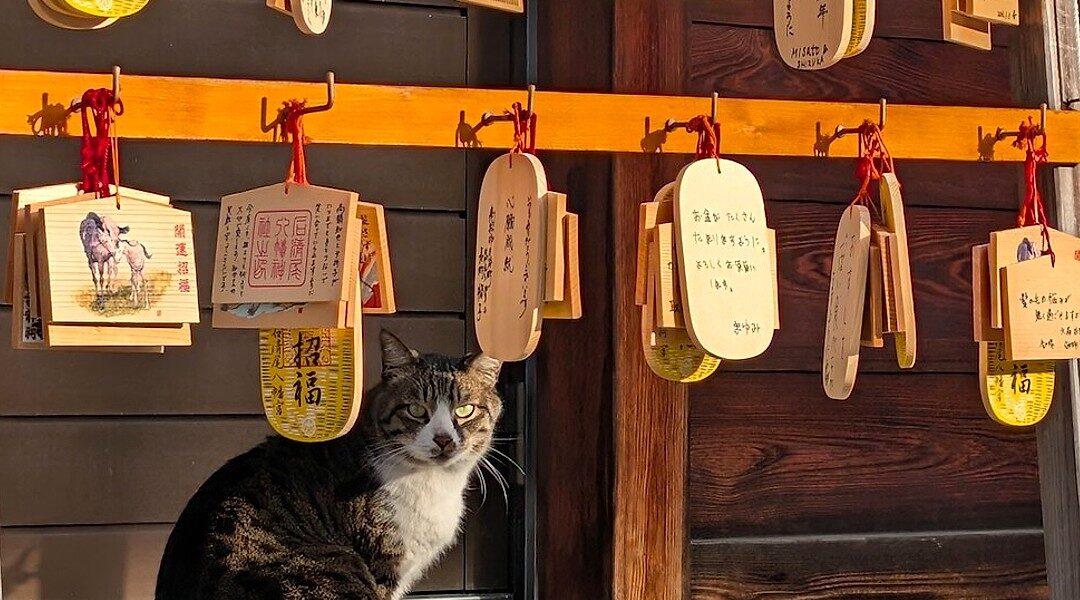
Japan’s consideration to label stray cats as invasive species reflects complex interactions between human adaptation and environmental protection.
Japan recently faced a significant decision: whether to categorize stray cats as invasive species. This consideration, albeit short-lived, highlights the intricate balance between human adaptation and the need to protect native ecosystems. The proposal aimed to address concerns over the ecological impact of these felines, a species introduced to the archipelago by humans centuries ago.
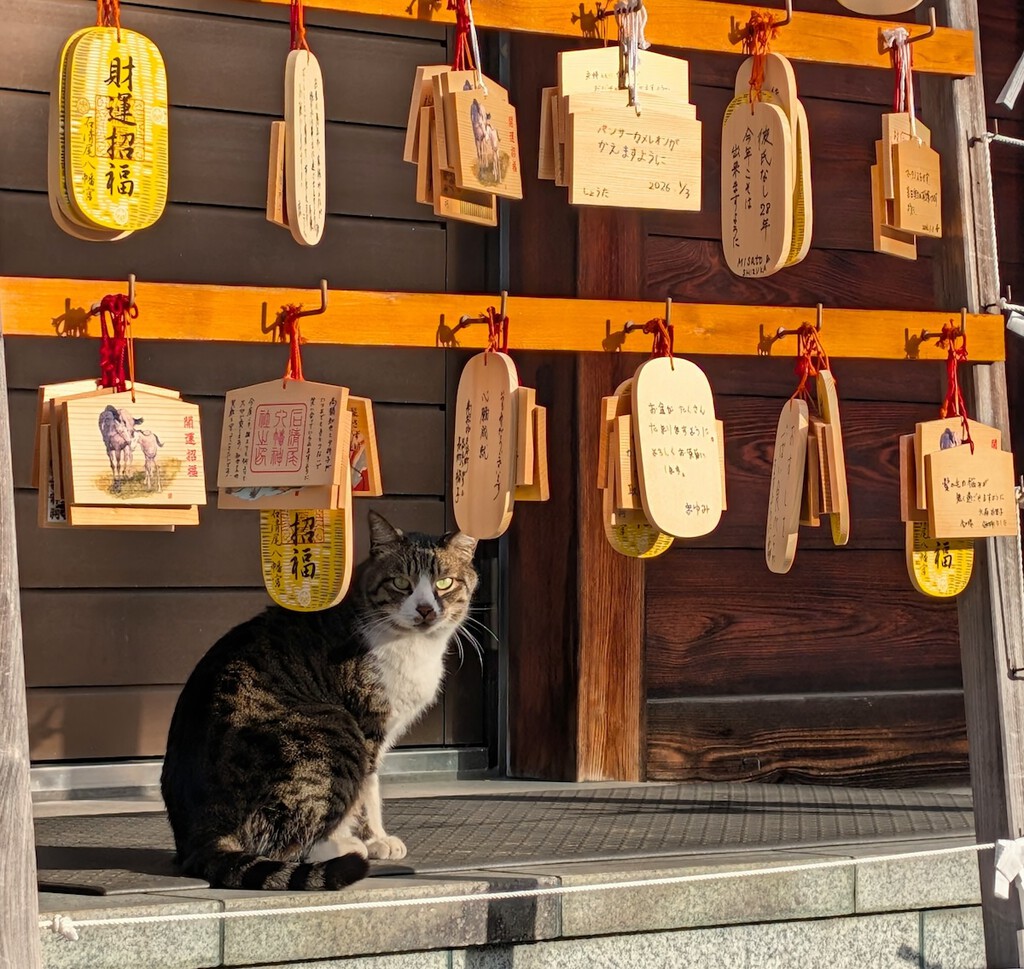
Cats: A Historical Perspective in Japan
The domestic cat, or Felis catus, found its way to Japan over a thousand years ago. During the Heian period (794-1185), these animals arrived on commercial vessels from China, initially to protect valuable Buddhist scriptures from rodents. Over time, these cats have become deeply embedded within Japanese society, yet their origins make them foreign to the island’s ecosystem.
In 2008, archaeological findings in Nagasaki hinted at a feline presence dating back over 2,100 years. However, despite their long history in Japan, cats are not native and have been classified as an invasive species due to their significant predatory impact.
The Ecological Impact
Globally, cats are acknowledged as one of the most damaging invasive species. According to the IUCN’s Global Invasive Species Database, Felis catus ranks among the top 100 invasive species worldwide. These predators are responsible for the decline of numerous bird and small mammal populations, with reports indicating they kill billions annually.
In Japan, the government considered labeling stray cats as invasive to reinforce protections for its unique ecosystem. However, this proposal sparked public outcry, driven by fears of potential euthanasia and the complex socio-cultural relationship between Japanese people and these animals.
System-Level Shift: Human Adaptation Layer
The rapid dismissal of the proposal underscores the adaptability required in modern governance when interfacing with both ecological imperatives and public sentiment. The initial response from the public highlights a resistance to drastic measures that could inadvertently harm more than help. This reflects a pattern of human adaptation where technological and ecological considerations must align with public values.
Japan’s instance exemplifies how environmental policies must carefully consider both scientific data and societal impact. The decision to retract the proposal after just three days suggests a high degree of sensitivity to public opinion and a need for adaptive policy-making frameworks.
Patterns in Human-Environment Interactions
The case of stray cats in Japan illustrates a broader pattern of human-environment interaction. As urban environments evolve, so do the relationships between humans and non-native species. In Japan, traditional policies regarding invasive species often confront modern societal values, requiring adaptive strategies that reconcile scientific knowledge with public trust.
This incident signals a shift towards more nuanced approaches in addressing the challenges of invasive species. It calls for enhanced communication strategies and public engagement to successfully navigate the ecological impacts while accounting for cultural values.
Ultimately, Japan’s approach to managing invasive species reflects a critical intersection of scientific understanding and human adaptation. As challenges like these become more prominent globally, the lessons learned here may serve as a blueprint for other nations grappling with similar ecological and societal issues.
Signal stored.