

Spain’s ambitious €1 billion road investment plan encounters significant setbacks as legal challenges arise, revealing deeper infrastructure issues.
Spain’s ambitious initiative to inject €1 billion into its road infrastructure has come to an abrupt halt. This decision follows a wave of legal challenges against the government’s proposed contracts, a situation that highlights broader issues within the country’s infrastructure management. This story intricately weaves together the dynamics of public investment, legal battles, and the socio-political landscape shaping Spain’s future.
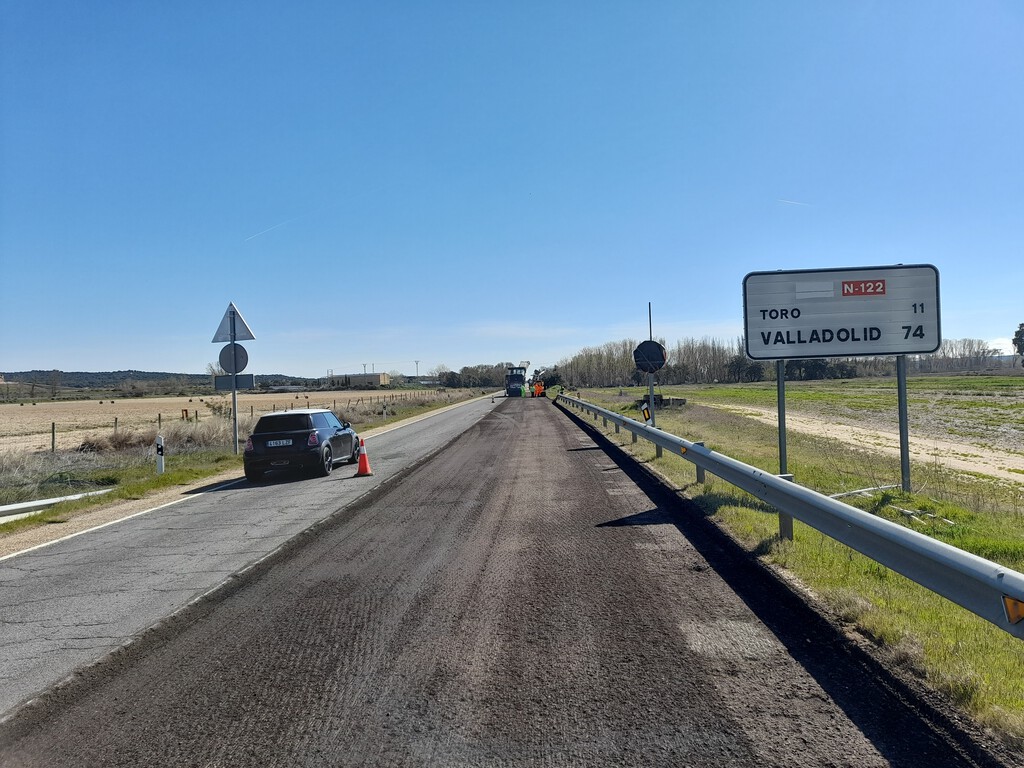
A Plan in Jeopardy
Initially announced by the Ministry of Transport, Mobility, and Urban Agenda in June, the plan was designed to distribute funds across 29 projects covering 3,670 kilometers of roads. These efforts aimed at extensive improvements from installing safety features to financing vital safety studies across 20 provinces spanning 10 autonomous communities. However, as of recent developments, the viability of this project is uncertain.
Legal Challenges and Suspension
The crux of the issue is a legal complaint filed by the Association of Infrastructure Conservation and Exploitation Companies (Acex), Spain’s leading industry body for construction firms. Their main contention lies in the bidding process for contracts, which they argue are disguised auctions, prioritizing price over quality. This concern was formally presented to the Central Administrative Tribunal of Contractual Appeals (TACRC), resulting in an immediate suspension of the project.
Acex’s reservations about the contract terms are not isolated. Labour unions and individual companies have also filed complaints regarding specific contract lots. Their fears include job security related to the transition of toll roads to state management, set to take place in 2027. This collective pushback underscores the mounting tension between governmental objectives and private sector realities.
System-Level Shift: Infrastructure Dynamics
This incident exemplifies a broader pattern indicative of an infrastructure shift. As Spain wrestles with a €13 billion shortfall in road investments, the suspension reflects a pressing need for systemic reform in managing public-private partnerships. The negligible margin for error in such a transition highlights the critical interface dependency between state policies and industrial execution.
Public sector efforts to improve infrastructure often grapple with bureaucratic inertia, legal intricacies, and workforce transitions. These tensions are exacerbated by the dual pressures of economic constraints and technological advancements, demanding more agile, transparent frameworks for future infrastructure plans.
Impact on Future Projects
With the €1 billion allocation now in jeopardy, questions loom over the continuity of road maintenance and development plans. Spain’s road network, already under-equipped, is expected to incorporate an additional 1,000 kilometers of state-managed roads from 2027. These additions further complicate an already challenging scenario of resource distribution and infrastructure upkeep.
The Ministry of Transport is left with limited options. They might deploy ’emergency contracts’ to manage urgent areas or extend existing contracts while legal hurdles are navigated. These stopgap measures, however, do not substitute for comprehensive, sustainable strategies urgently needed to address systemic deficiencies.
The Bigger Picture
This situation is symptomatic of broader issues in Spain’s infrastructure strategy, reflecting a significant need for increased investment and innovative policy frameworks. As torrential rains earlier this year damaged roads and infrastructure, the necessity for robust, proactive maintenance measures is more critical than ever.
The delays in executing the proposed investments not only exacerbate existing infrastructure vulnerabilities but also affect the socio-economic fabric, influencing public trust and private sector confidence in governmental capabilities.
With Spain’s infrastructure future hanging in the balance, the challenge lies in balancing immediate needs with long-term planning. The outcomes of this road investment debacle could potentially steer future policy directions, emphasizing structured, technologically-informed infrastructural governance.
Observation recorded.