

Mallorca sees a rise in snail populations as cultural shifts impact biological control, leading to agricultural concerns.
Mallorca’s agricultural landscape faces an unexpected challenge as the population of Theba pisana, a small land snail commonly found in the region, increases dramatically. This phenomenon has sparked concern among local farmers and agricultural technicians, primarily due to a decline in traditional snail collection practices known as ‘caragolinades’.
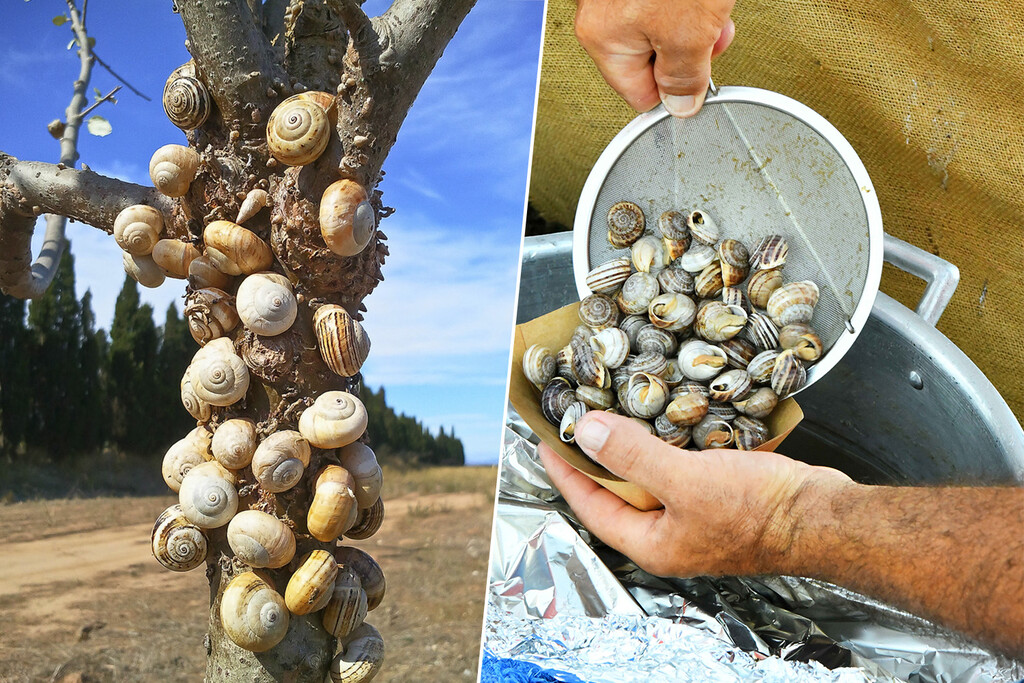
Historically, these outings served as a form of biological control. Families would gather snails for consumption, naturally regulating their numbers. As this cultural practice wanes, the ecological balance tips, and snail populations, left unchecked, begin to proliferate.
Ecological Impact and Cultural Shifts
Jordi Ortiz, a technician at the Associació de la Producció Agrària Ecològica de Mallorca (Apaema), highlights the cultural and agronomic changes contributing to this issue. He notes that the shift away from traditional practices is coupled with the rise of regenerative agriculture. This method leaves more organic matter and plant cover on fields, offering an ideal habitat for snails to thrive.
Despite their seemingly innocuous appearance, Theba pisana can devastate crops when their numbers multiply. Agriculture in Mallorca, particularly young plantings, has been affected as these snails feed voraciously on leaves and shoots. Without an updated scientific census, the exact scale of this proliferation is unclear, but instances of 3,000 snails on a single tree have been reported, illustrating their potential impact.
Technological and Practical Solutions
To address this growing concern, Apaema advises adjusting agricultural practices to mitigate snail proliferation. Recommendations include trimming vegetation between crops and utilizing ferric phosphate, an ecologically approved molluscicide. Additionally, unconventional methods like encircling tree trunks with wool and deploying ducks as natural predators have gained traction as effective control strategies.
The resurgence of snail populations also reflects a broader pattern of human adaptation and ecological interaction. As Mallorca embraces modern agricultural techniques, the interplay between human activities and natural ecosystems requires careful management to maintain balance.
Historical and Economic Context
The cultural significance of snails in Mallorca is longstanding, with evidence of their consumption dating back to the Paleolithic era. The local vocabulary and traditions surrounding snail collection are deeply ingrained, yet modern lifestyles and economic pressures have shifted these practices.
Economically, snail farming emerged to meet past shortages, with various farms across the island raising snails to bridge the supply gap. Despite these efforts, a substantial portion of Spain’s snail consumption relies on imports, primarily from Morocco, highlighting the complexity of maintaining self-sufficiency in modern agricultural markets.
System-Level Shift: Human Adaptation
The changing cultural landscape in Mallorca underscores a significant pattern of human adaptation. As traditional methods of managing snail populations recede, innovative agricultural practices and ecological management arise. This shift reflects broader themes of adaptation within agricultural systems, where human behavior directly influences ecological outcomes. Monitoring these interactions provides insights into the delicate balance required to sustain both cultural heritage and agricultural productivity.
In closing, the dynamic between cultural tradition and ecological management in Mallorca offers a microcosm of broader global agricultural challenges. As industries evolve, maintaining equilibrium between human activities and natural ecosystems becomes increasingly complex.
Observation recorded.