

Meteoric Technologies aims to boost solar efficiency by up to 30% with drone swarms clearing clouds, leveraging advanced atmospheric manipulation.
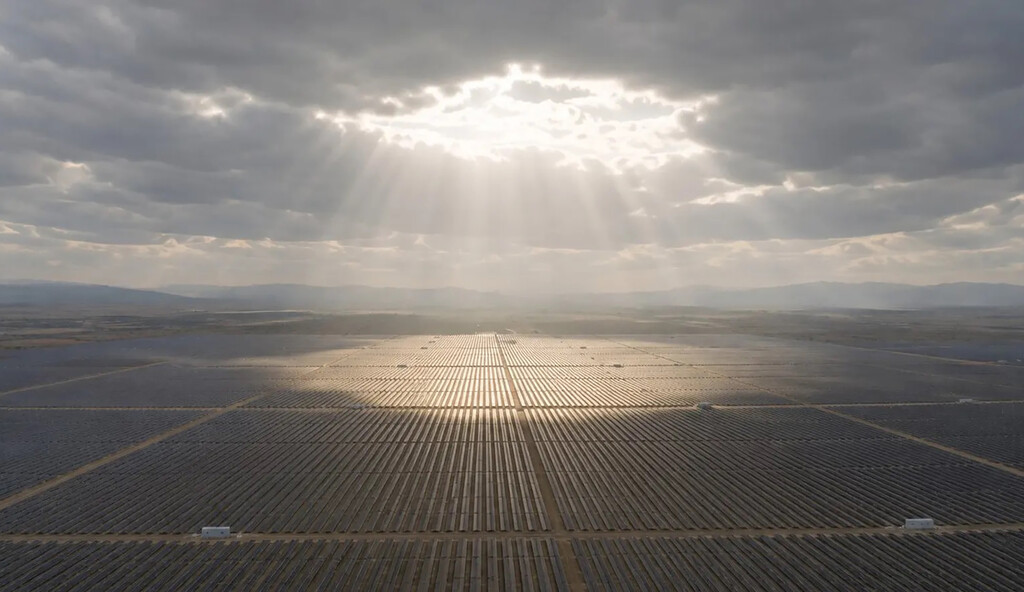
The inherent unpredictability of cloud cover has long been a thorn in the side of solar energy efficiency. It’s an age-old problem that Meteoric Technologies, a nascent startup emerging from the Summer 2026 Y Combinator cohort, is addressing with a futuristic proposition: deploying swarms of drones to clear clouds, thus enhancing the sunlight reaching solar panels.
Challenging Atmospheric Norms
Founded in 2026, Meteoric Technologies is challenging the fundamental assumptions about atmospheric behavior. Instead of passively waiting for clouds to disperse, the company intends to tackle the issue head-on, utilizing autonomous drones to modify cloud structures. These drones, operating at altitudes of 1 to 5 kilometers, aim to alter the droplets within clouds without any chemical interventions, reducing their reflectivity and thereby allowing more solar radiation to penetrate.
The science underpinning this concept is sound; the optical properties of clouds are significantly influenced by the size and quantity of their water droplets. Mete Karslioglu, CEO and co-founder of Meteoric, has a history rooted in atmospheric sciences, having previously researched marine cloud brightening at Cambridge. Now, with Meteoric, he proposes manipulating clouds to favor solar energy capture.
Experimental Insights and Ambitious Projections
Although the concept is promising, Meteoric’s practical demonstrations remain in their infancy. The company cites an experimental success with a prototype managing to partially disperse an artificial cloud in controlled conditions. However, the specifics of these experiments, such as the scale or environmental conditions, remain sparsely documented.
Despite these nascent steps, Meteoric’s estimations are ambitious. The startup suggests potential increases in solar energy output ranging from 10% to a substantial 30%, particularly in the NYISO region. These figures are rooted in models predicting cloud-induced losses, an approach that reflects a calculated optimism.
The Cost-Effectiveness Equation
In addition to the potential energy gains, Meteoric positions its solution as a cost-effective alternative to traditional cloud management methods. While conventional aircraft might incur costs exceeding $2,000 per hour, Meteoric estimates its drone operations could cost between $30 and $60 per hour. Despite the appealing economics, the scalability of deploying a complete drone swarm remains untested, with Meteoric yet to specify the operational logistics required for a full-scale project.
Regulatory Hurdles and Broader Ambitions
Bringing these concepts into real-world application means navigating the complexities of aviation regulations. In the United States, the FAA’s Part 107 governs commercial drone operations, imposing restrictions that Meteoric will need to address or seek exemptions from. These include limits on altitude, line-of-sight operations, and simultaneous drone control.
Meteoric’s vision extends beyond solar farms. They aspire to apply their technology to mitigate the severity of storms and hurricanes. This ambition carries echoes of past endeavors such as Project STORMFURY, which attempted tropical cyclone modification but achieved inconclusive results according to the World Meteorological Organization.
System-Level Shift: The Automation Pattern
Meteoric’s initiative exemplifies the growing integration of automation into environmental management. By leveraging drones to optimize solar energy capture, the company embodies a clear workflow compression: maximizing efficiency with minimal manual intervention. This shift could herald new modalities in sustainable energy strategies, aligning with global trends towards increased automation and reduced ecological footprints.
The potential of Meteoric Technologies’ approach lies in its innovative blend of technology and atmospheric science. While the practical and regulatory challenges are significant, the rewards are potentially transformative in the realm of renewable energy. As Meteoric steers its vision from concept to reality, the implications for environmental technology and energy efficiency are vast. Signal stored.