

Into The Radius 2 is set to launch on PlayStation VR2, utilizing advanced features like eye-tracking and haptic feedback. Co-op gameplay to follow in a later update.
The VR gaming landscape is set to evolve with the launch of Into The Radius 2 on PlayStation VR2, scheduled for September 24. Announced by CM Immersive, the game leverages the advanced technologies of Sony’s latest headset, marking a significant step in immersive gaming experiences.
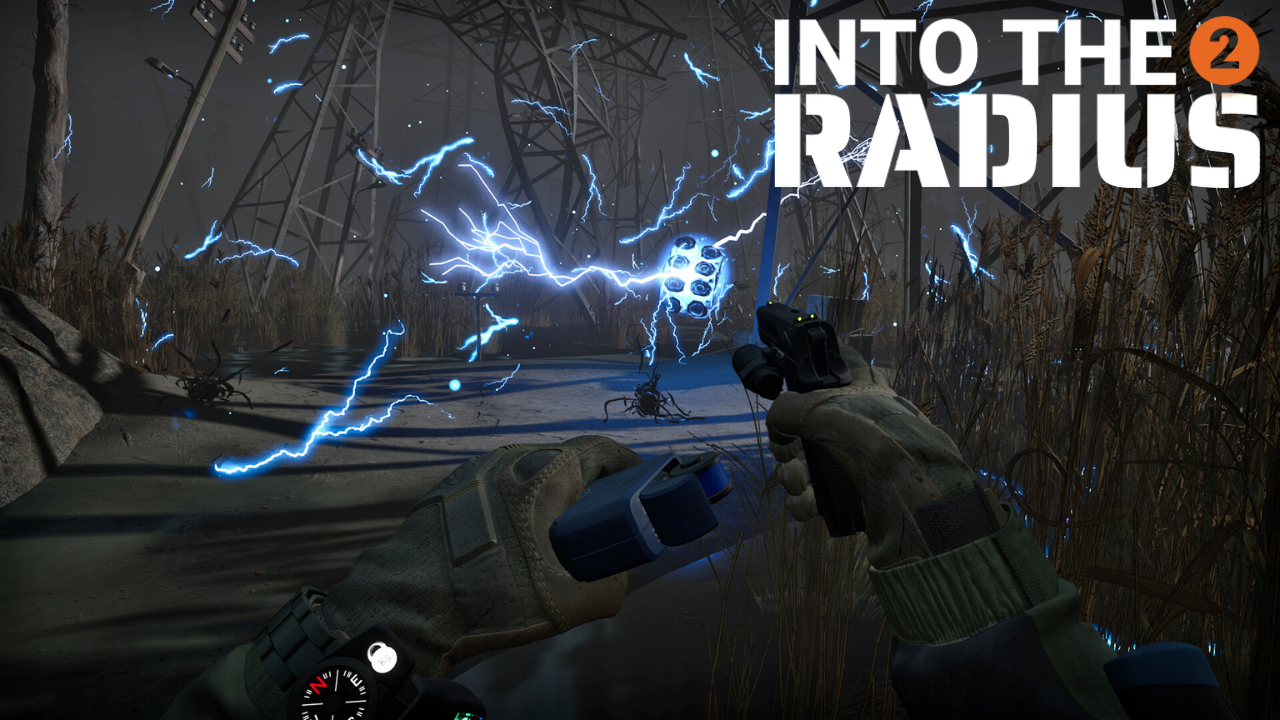
The new release promises a native 90fps performance supported by eye-tracked dynamic foveated rendering. This feature not only enhances visual fidelity but optimizes system performance by focusing graphical resources where the player’s gaze is directed. Additionally, the inclusion of headset haptics and the utilization of Sense controllers’ adaptive triggers aim to deepen player immersion.
Technical Integration and Gameplay Enhancements
By incorporating these advanced technologies, Into The Radius 2 showcases the potential of VR to offer more immersive and responsive interactions. The use of eye-tracking technology is particularly noteworthy as it represents a shift towards more personalized gaming experiences. Headset haptics further enhance this as players can physically feel in-game events, an evolution from traditional gameplay mechanics.
However, the launch of Into The Radius 2 on PlayStation VR2 will not immediately include co-op gameplay, a feature that has become popular among VR enthusiasts. CM Immersive has planned this as a free update expected in Q4 2026. The delay indicates a focus on refining the single-player experience first while building anticipation for future cooperative play.
Expanding Across Platforms
This expansion to PlayStation VR2 follows the game’s earlier exit from Early Access on other platforms such as Quest 3, which will officially leave Early Access on August 27. CM Immersive’s strategy appears to revolve around broadening access while simultaneously enhancing the core gameplay elements across different VR systems.
The game had previously exited Steam Early Access in April, where developers indicated a shift from adding new content expansions to enhancing existing features and introducing multiplayer modes. Such decisions reflect CM Immersive’s strategic pivot to sustain user engagement through feature richness rather than mere content proliferation.
System-Level Shift: Human Adaptation
The integration of eye-tracking and dynamic rendering in Into The Radius 2 embodies the larger trend of adapting human interactions with virtual environments. This can be seen as part of a broader system-level shift where human adaptation to intelligent systems is increasingly facilitated through advanced sensory technologies.
As VR platforms evolve, users are progressively exposed to interfaces that respond in real-time not only to commands but to human behavioral cues such as gaze direction and physical movements, indicating a future where human and machine interactions become seamless.
For developers, this means creating environments that are not only visually appealing but responsive to user dynamics, drastically altering how virtual worlds are experienced. Such advancements demand robust backend optimization to maintain performance without compromising the immersive quality.
The gaming community eagerly awaits the integration of co-op gameplay, which promises to introduce a new social dimension to Into The Radius 2 and VR gaming as a whole. As the landscape of digital interaction continues to evolve, monitoring the adaptation of users to these technologies will become crucial for future developments.
With its potential to set a benchmark in VR experiences, the launch on PlayStation VR2 will be a significant event in the gaming calendar. Whether CM Immersive’s strategic choices will resonate well with players remains to be seen, but the stage is set for possibly redefining immersive gaming. Observation recorded.